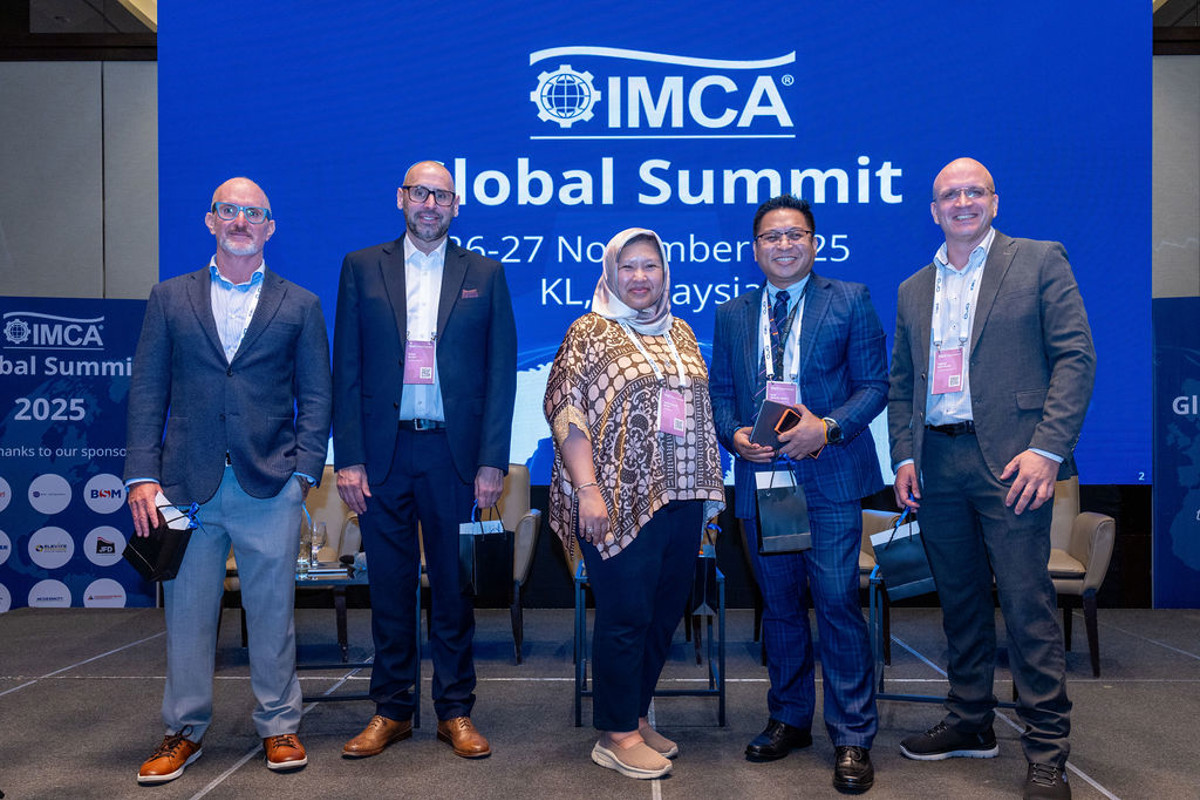
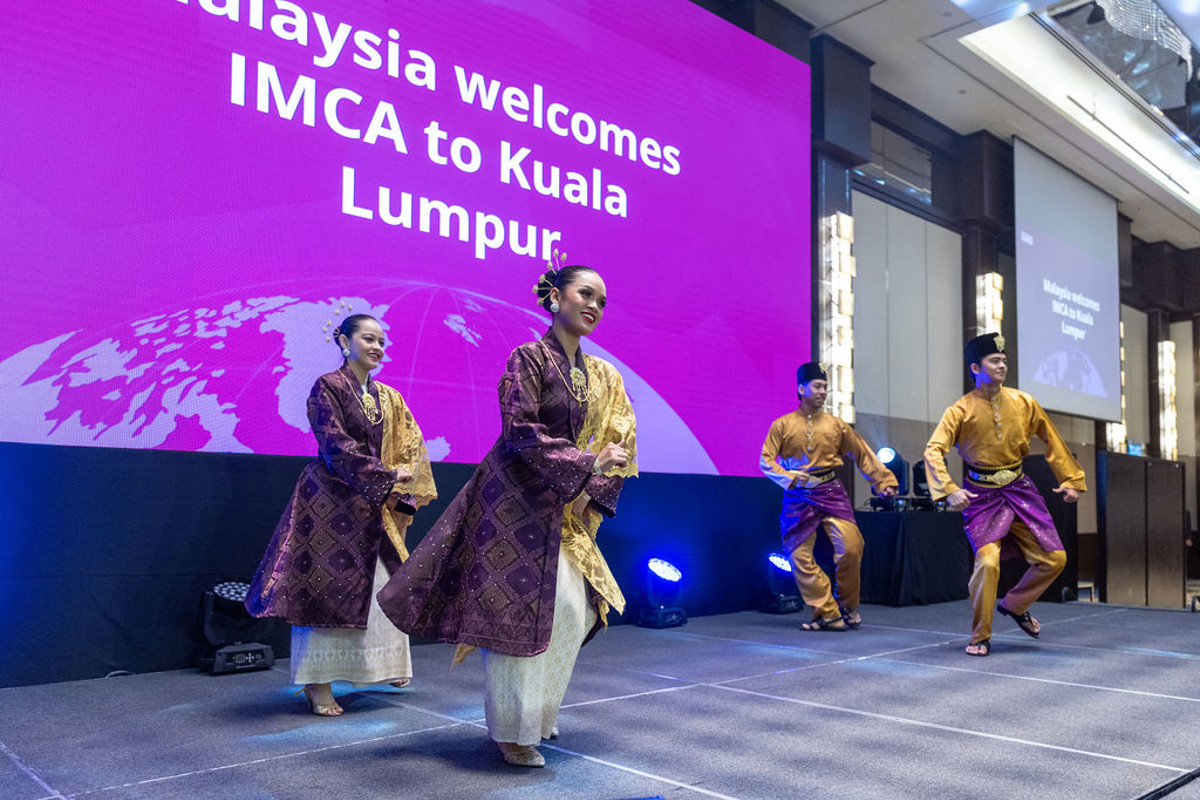
The IMCA Global Summit 2025, held in Kuala Lumpur on 26–27 November, brought together almost 470 delegates from 37 countries. Representatives from across the offshore marine contracting community, including contractors, energy companies, regulators, technology providers, academic partners, and training institutions, were engaged across two days of interactive sessions on the future of safety, skills, sustainability, and technological advancement in offshore operations.
The Summit featured 18 sessions and more than 40 speakers, each offering practical insight and lived experience from across the offshore energy sector. Discussions highlighted both the complexity of the industry’s challenges and the growing opportunities presented by safer, more sustainable and more digitally enabled operations.
With delegates from 37 countries, this year’s Summit reflected the truly global nature of our industry and its shared commitment to improvement.
A focus on safety, technical excellence and data-driven practice
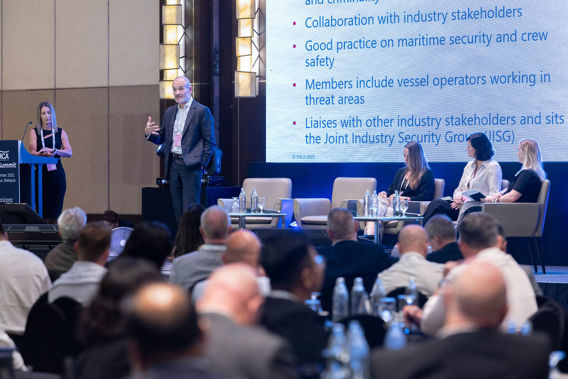
As recognised throughout the programme, safety remained a central theme across many sessions. Nick Hough, IMCA’s Consultant for Safety & Security, chaired a panel on emerging safety risks, exploring how technologies such as resilient DP systems and AI-enabled inspection tools are reshaping offshore practice. Speakers emphasised the importance of competence, data transparency, and consistent operational standards, ensuring new technologies enhance frontline safety rather than complicate it.
“Safety and technical excellence remain the foundation of everything we do as an industry.”
Members from IMCA’s Safety & Security Committee outlined ongoing workstreams addressing safety trends, incident learning and cybersecurity threats. Delegates also examined the offshore sector’s role in supporting national infrastructure resilience, including the reliability and security of subsea cables. These discussions provided insights that will refine and shape IMCA’s ongoing work, ensuring our Guidance, technical understanding, and engagement with regulators continue to reflect the practical needs of our Members.
Regulation and environmental stewardship: working together for practical, effective standards
Several sessions focused on the constructive role regulation plays in enabling safe and efficient offshore operations. Contributions from Member companies and IMCA’s secretariat highlighted progress achieved through collaborative engagement with regulators and market stakeholders. Speakers noted that effective regulation must recognise the offshore sector’s unique operational conditions while supporting long-term technical excellence and environmental responsibility.
“We will continue to engage constructively with regulators and stakeholders to ensure standards evolve in a way that works for our industry.”
Environmental stewardship, including biodiversity protection, emissions management, and the integration of nature-based design, featured prominently throughout the programme. These discussions reinforced IMCA’s commitment to supporting Members with evidence-led, operationally grounded Guidance, ensuring environmental expectations are understood and achievable.
Skills, talent, and the people-centred future of marine construction
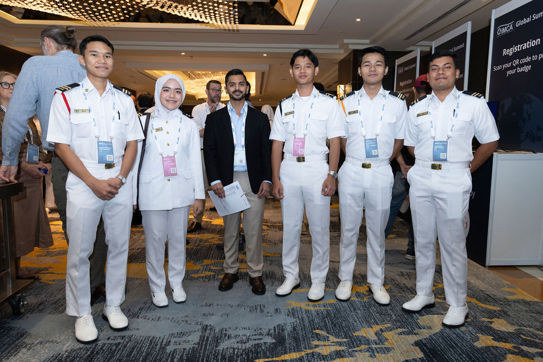
One of the most substantive themes of the Summit was the future offshore workforce and the skills – and people – that will be required to support a rapidly evolving industry. Jamie Chestnutt, IMCA COO, introduced and moderated the Next Generation IMCA session, outlining IMCA’s strengthened commitment to supporting the development of early-career professionals and announcing the creation of a new Next Generation Network as a key pillar of IMCA’s future work on people and capability.
The session opened with an inspiring keynote from Petrosains, the Science and Technology centre in Kuala Lumpur, highlighting innovative methods to encourage young people to pursue science, engineering, and maritime careers. This was followed by a lively panel discussion featuring apprentices, graduates, early-career engineers, and rising stars from across the offshore sector. Their stories illustrated the breadth of pathways into the industry and the importance of mentoring, structured development, and early exposure to real technical work.
“The future of offshore operations will be defined by the capability of our people as much as the technology they use.”
Live Slido polling during the session offered valuable insight into what early-career professionals need most. Delegates emphasised career development, mentoring, practical training opportunities, work–life balance, and clearer visibility of offshore career pathways. These results provided an evidence base to shape the design of the Network.
“Nurturing the next generation of offshore professionals is not optional; it is essential to the long-term resilience of our sector.”
The prominence of this session reflected a broader theme running throughout the Summit: the offshore energy transition will require not only new technologies but also a highly skilled workforce equipped to use them safely and effectively. Delegates across several sessions noted that people development must keep pace with digitalisation, new fuels, and evolving operational demands.
Digitalisation, remote operations, and the future of offshore work
The summit heard from speakers from Fugro, TechnipFMC, Subsea7, and specialist technology firms, who demonstrated how digitalisation is reshaping offshore operations, from remote operations centres and resilient navigation systems to predictive maintenance and subsea robotics. These developments were presented as enhancements that elevate human expertise rather than replace it.
“Digitalisation is reshaping offshore operations, not by replacing expertise, but by amplifying it.”
Such advancements underscore the need for updated competence frameworks, modern training pathways, and operational Guidance, all of which IMCA will continue to support Members in.
The IMCA Awards and Global Summit Gala Dinner
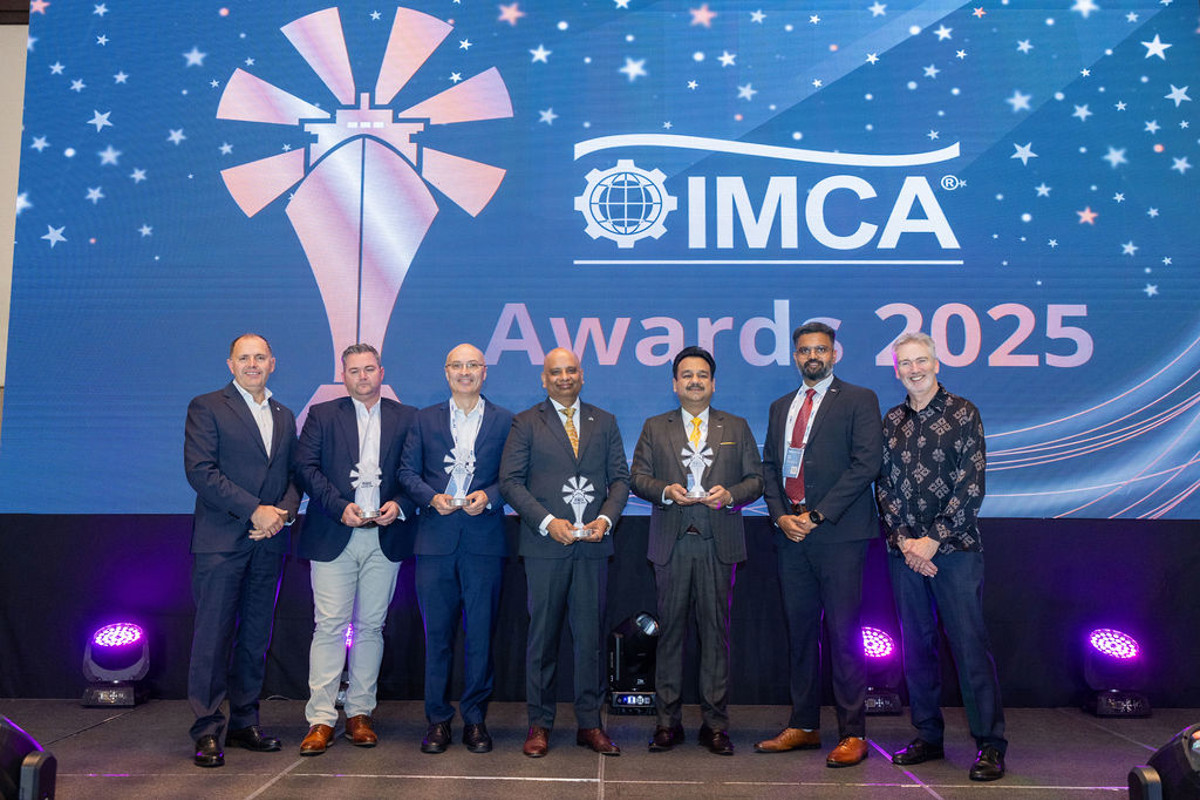
Day One culminated in the annual IMCA Awards 2025, presented during the Gala Dinner, where outstanding achievements across the industry were recognised. This year’s Awards acknowledged excellence in safety, sustainability, innovation, greenhouse gas reduction, people development, and rising talent. Winners included Saipem, BSM, RWE, Interocean, McDermott, and ADNOC.
Chosen by independent judging panels from a record number of entries, the winners were recognised for delivering measurable improvements in operational performance and contributing to higher standards across the offshore sector.
IMCA congratulates all winners and shortlisted organisations for their contributions to advancing good practice across the offshore marine contracting sector.

Health and Safety Project of the Year – Sponsored by KB Associates Winner: Saipem – Fail Safe with Human Performance

Greenhouse Gas Reduction Project of the Year – Sponsored by McDermott Winner: BSM – OceanOpt – Emission Excellence for Cleaner Oceans

Environmental Sustainability Project of the Year – Sponsored by Cornerstone Offshore Winner: RWE – SeaMe

Innovation and Technology Project of the Year – Sponsored by Unidive Subsea Winner: Interocean – Digital Asset Management

People Development Project of the Year – Sponsored by MISC Winner: McDermott – Advancing Engineering Excellence Through People

Rising Star Award – Sponsored by Hibiscus Petroleum Winner: ADNOC – Sherifa Yousif Abdulla (Not pictured)
IMCA’s work in 2026
In his closing remarks, Iain Grainger encapsulated the themes of the Summit and set out a clear direction for IMCA’s work in 2026. He highlighted the strong engagement shown throughout the event and emphasised the importance of maintaining momentum into the year ahead. IMCA’s CEO identified four priority areas that will guide IMCA’s work:
· Strengthening our role as the industry voice, supporting Members through evolving regulatory, technical, and operational expectations.
· Elevating people development, ensuring future offshore professionals have the skills and opportunities to thrive.
· Advancing technical excellence through updated Guidance, improved safety practice, and support for digital transformation.
· Supporting sustainability, with balanced and practical Guidance aligned with operational realities.
“Our ambition for 2026 is clear: strengthen our role as the industry voice, elevate people development, and champion practical, evidence-based improvement.”
He also recognised the pivotal role of IMCA’s technical committees, noting that their collective expertise underpins the organisation’s ability to provide clear, practical, and internationally respected Guidance for Members.
“Progress happens when expertise is shared openly and challenges are addressed together across the global offshore community.”
Iain Mr Grainger further emphasised that IMCA’s direction is shaped by its membership, and that the insights and operational experience shared during the Summit will directly inform our work over the coming year.
These discussions will now feed into IMCA’s committees and workstreams, ensuring they are acted upon throughout the year ahead and directly shaping the programme for the IMCA Global Summit 2026 on 28 and 29 October in Antwerp Belgium. Save the date now!
IMCA Global Summit 2025 photo gallery: