Lifeboat wire rope failure
- Safety Flash
- Published on 19 January 2021
- Generated on 29 September 2026
- IMCA SF 03/21
- 2 minute read
The forward fall wire failed during testing of a lifeboat, causing it to fall, flip upside down, then land in the water below
What happened?
During a five-yearly 110% load test of a lifeboat, taking place under third party supervision, the forward fall wire failed, resulting in the lifeboat falling and flipping upside down landing in the water below.
There were no personnel onboard during testing and no injuries were reported.
The lifeboat was recovered to shore.
What went wrong?
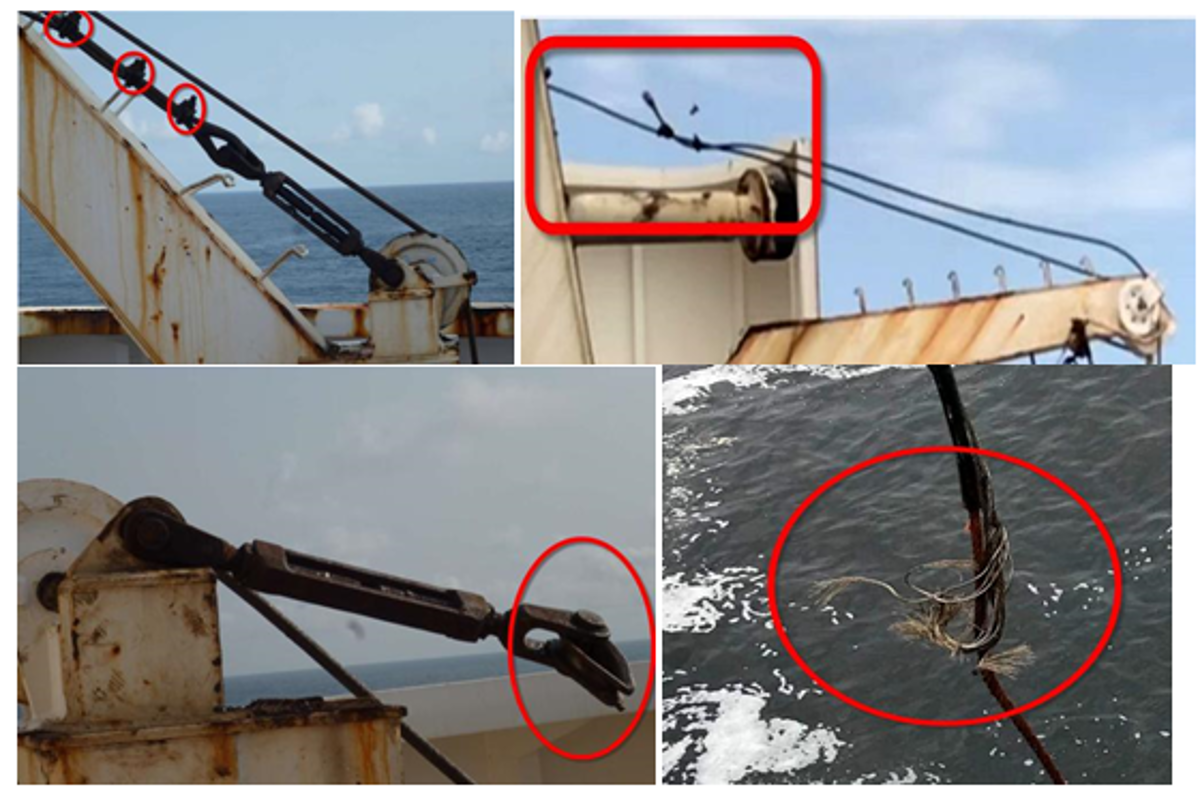
Our member’s investigation noted that during maintenance of the lifeboat davit sheaves, the fall wire was removed by disassembling the three existing bulldog (“Crosby”) clamps on each wire termination on the davit.
Once all maintenance works were completed, the fall wire was reinstalled using the original bulldog clamps, which were clamped in the same position as the original termination.
What were the causes?
Close inspection of the wire indicated that the fall wire had slipped through the bulldog clips and released from the thimble on the turnbuckle because:
- The grips were torqued in the exact same position they were before, therefore compromising the structure of the wire which was already flattened/deteriorated.
- The bolt grips were tightened without making reference to any minimum / maximum torque value specification.
Additionally:
- There had been inadequate preparation of the wire for termination.
- Bulldog clips had remained in use since the installation of the lifeboat, as there was no regulatory or mandatory (Flag state) or company procedural requirement to perform replacement.
- There was no evidence that the bulldog clips were inspected prior to refitting.
Lessons learned
- Fall wire inspection, maintenance and termination should be by competent and qualified personnel.
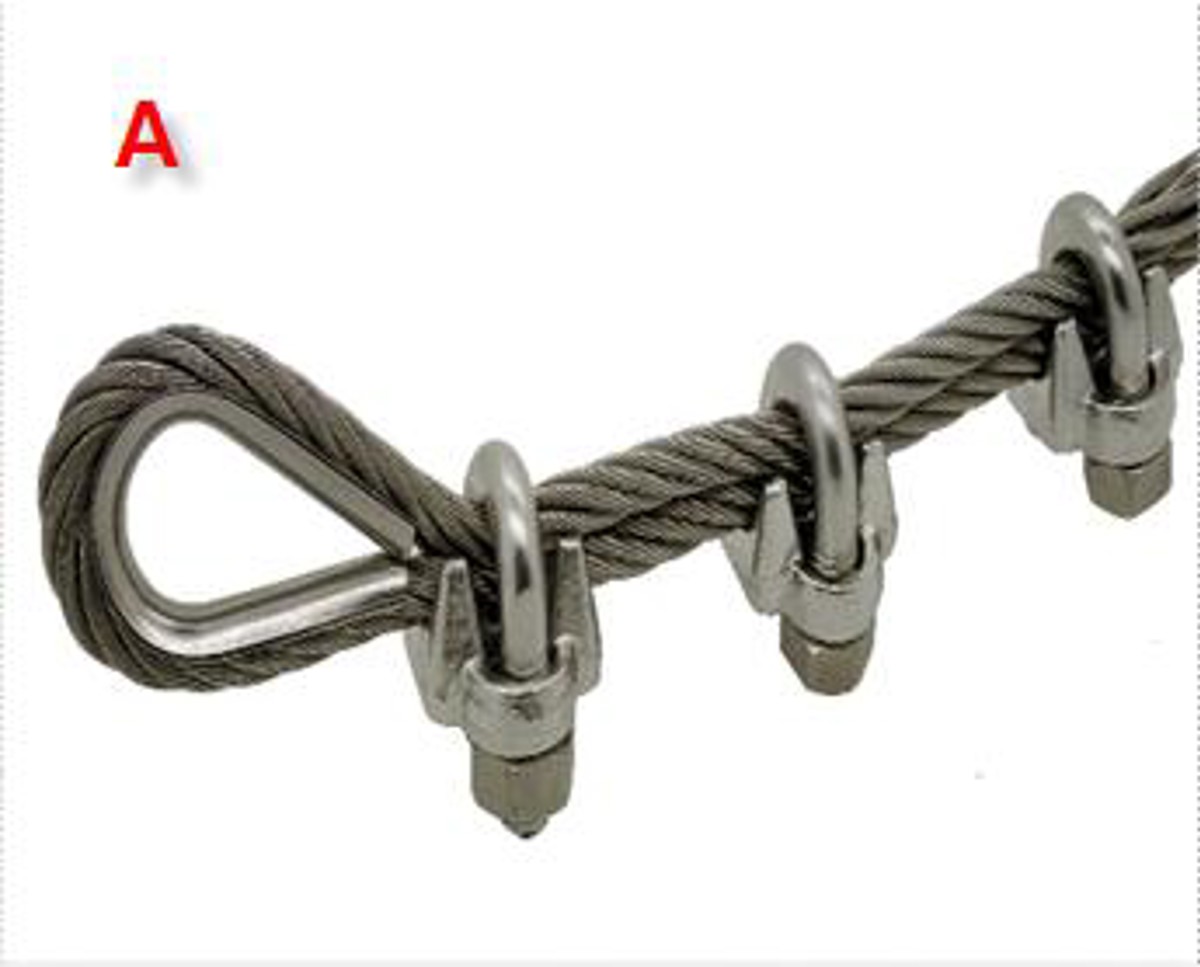
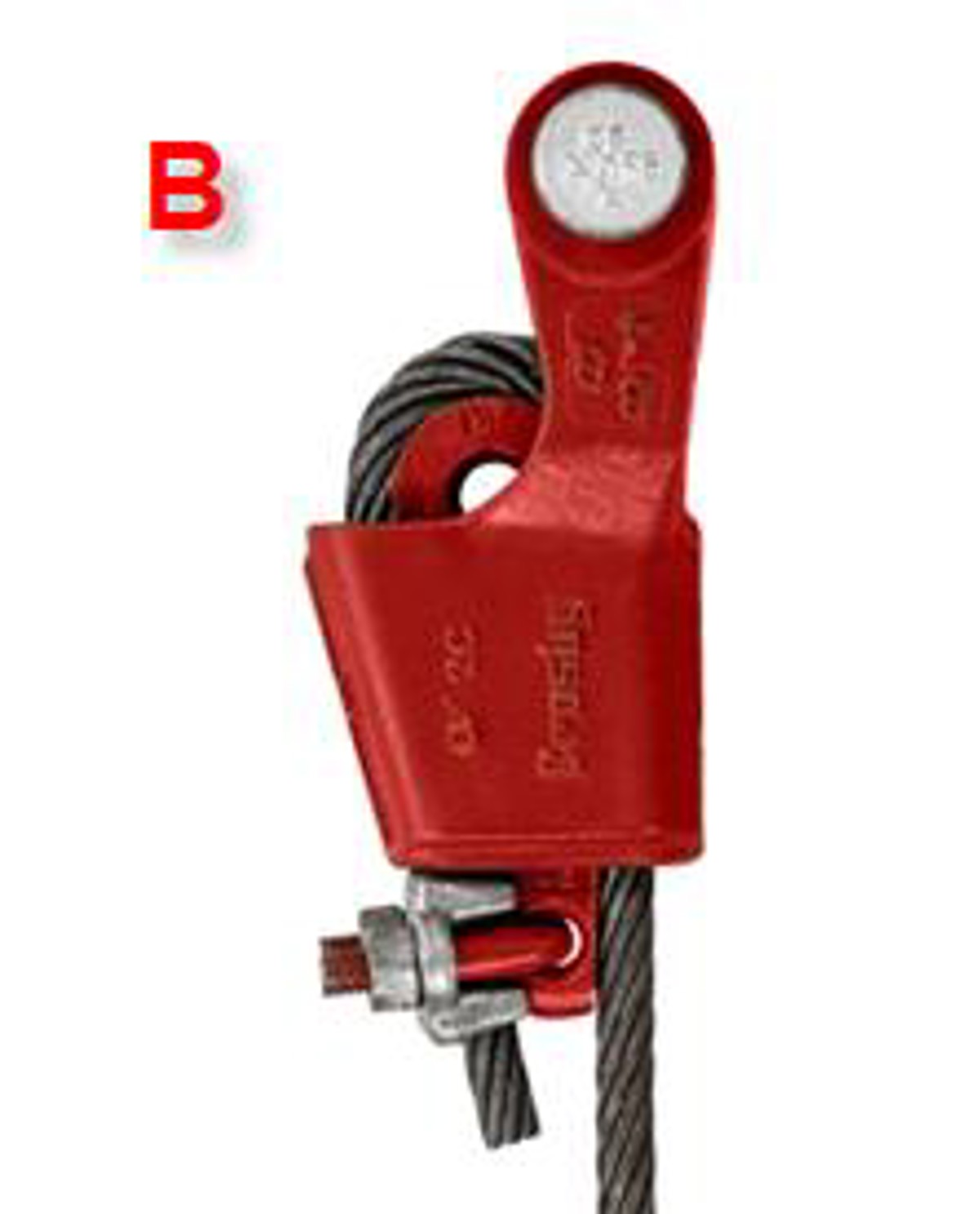
- Consider replacing wire terminations which have Bulldog grips or cable grips (image A below) with asymmetrical wedge socket type (image B below).
Actions
- Checked fleetwide to see whether any similar terminations existed – any lifeboat falls which were found to be secured with bulldog grips were renewed and replaced with the asymmetrical wedge socket type by a competent third party and subsequently certified.
- Flag State was notified at the time of the event, and updated with the outcome of the investigation.
Related Safety Flashes
-
IMCA SF 30/19
17 December 2019
-
IMCA SF 21/19
4 September 2019
-
IMCA SF 10/12
11 October 2012
IMCA Safety Flashes summarise key safety matters and incidents, allowing lessons to be more easily learnt for the benefit of the entire offshore industry.
The effectiveness of the IMCA Safety Flash system depends on the industry sharing information and so avoiding repeat incidents. Incidents are classified according to IOGP's Life Saving Rules.
All information is anonymised or sanitised, as appropriate, and warnings for graphic content included where possible.
IMCA makes every effort to ensure both the accuracy and reliability of the information shared, but is not be liable for any guidance and/or recommendation and/or statement herein contained.
The information contained in this document does not fulfil or replace any individual's or Member's legal, regulatory or other duties or obligations in respect of their operations. Individuals and Members remain solely responsible for the safe, lawful and proper conduct of their operations.
Share your safety incidents with IMCA online. Sign-up to receive Safety Flashes straight to your email.