Recent near-miss incidents involving potential dropped objects
- Safety Flash
- Published on 27 July 2011
- Generated on 11 April 2026
- IMCA SF 08/11
- 3 minute read
Several recent cases of potential dropped objects have been brought to IMCA’s attention by the Marine Safety Forum in MSF Safety Flashes 11-20 and 11-22.
Full details of the safety flashes should be available from the Marine Safety Forum on request.
Case 1: Unusual Potential Dropped Object
During positioning of a container on an offshore rig, a large lump of what appeared to be road tar was seen within one of the forklift pockets of the container. The lump measured 30 x 15 x 5cm and weighed 1.2 kg. The container, which had forklift pockets on all four sides, had been on a round trip to the rig, gone back ashore and had been taken back to the rig before the hazard was spotted, some two weeks after its original despatch.
The investigation could not determine at what point the lump of tar entered the forklift pockets but it could not have been at the supplier nor at the supply base, both of which have fully concreted yard surfaces. Therefore, it is possible that it was present for some time prior to the container’s original despatch.
It is presumed that being sticky, the lump of tar was lodged against the top of the inside of one of the forklift pockets, only eventually becoming dislodged due to some form of shock to the container. This made it difficult for the supplier to spot and remove. It is also presumed that it was in one of the transverse forklift pockets and therefore invisible to gantry checks at the supply base.
Case 2: Potential Dropped Metal Piece
A vessel completed discharging a cargo of 20 inch uncapped casing to an offshore installation after a period of adverse weather. During ‘routine’ operations on the installation a piece of metal, a D-ring plate cover, was found inside one of the discharged joints of 20 inch casing.
The drops calculator classed the potential as a fatality if the object were to have been dropped from more than 2.4 metres.
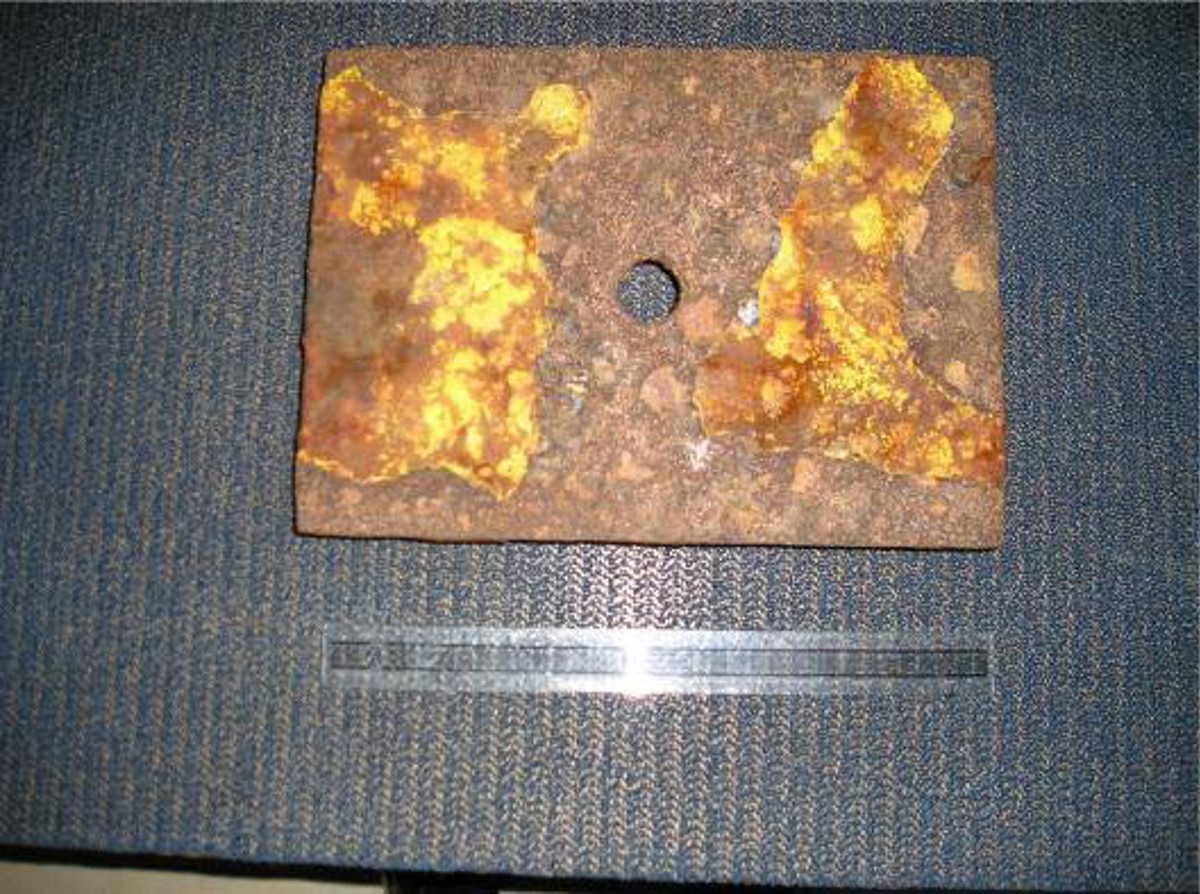
D-ring plate cover - potential dropped object
Members are encouraged to be vigilant in checking for all potential dropped objects. Whilst the probability of items sticking to the top of the inside of forklift pockets is low, the impact of those items falling out and causing harm is high. Provision for checking for and removing such items might include:
- use of mirrors and lights on extended poles
- use of brushes and sweep-through
- safe systems for doing checks at eye height to assist ergonomics.
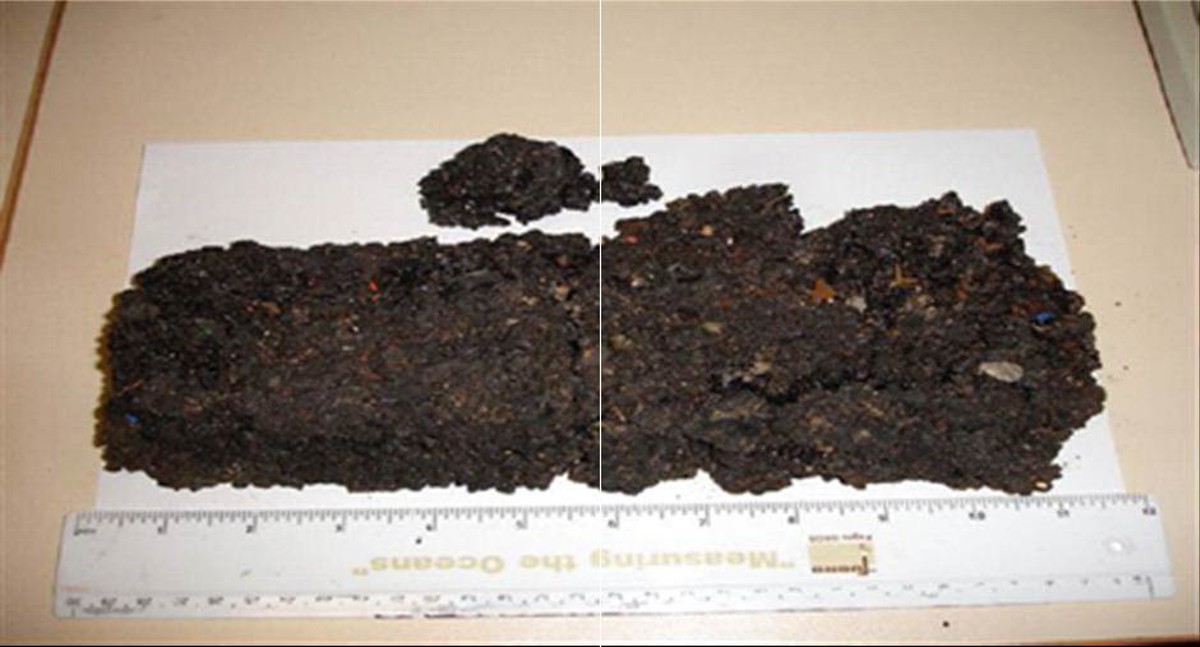
piece of tar – potential dropped object
Case 3: Potential Dropped Metal Piece
Several days after the object in Case 2 was discovered, on the same installation, a wooden wedge was found inside another 20 inch joint of casing.
The drops calculator classed the potential as a fatality if the object were to be dropped from more than 3.7 metres.
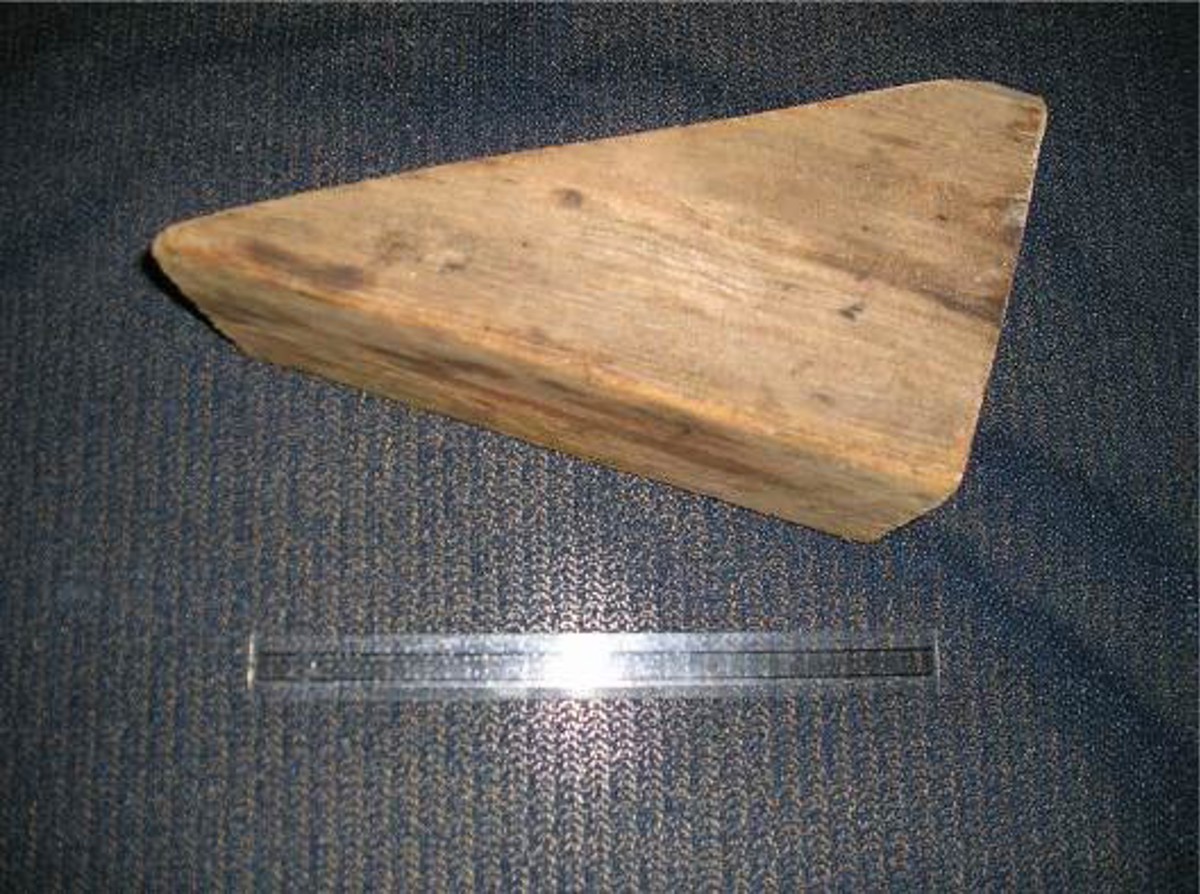
wooden wedge – potential dropped object
Two of the above-mentioned objects (Case 2 and Case 3) were identified as belonging to the vessel and had become lodged inside the casing due to the vessel shipping water on deck during rough weather conditions.
Subsequently, all wooden wedges used on this particular vessel were painted white on their top sides to make them easier to see in the dark.
Members are reminded of IMCA’s safety promotional material on avoiding dropped objects:
- Avoiding dropped objects (pocket card, poster)
- Dropped object prevention – www.dropsonline.org
IMCA Safety Flashes summarise key safety matters and incidents, allowing lessons to be more easily learnt for the benefit of the entire offshore industry.
The effectiveness of the IMCA Safety Flash system depends on the industry sharing information and so avoiding repeat incidents. Incidents are classified according to IOGP's Life Saving Rules.
All information is anonymised or sanitised, as appropriate, and warnings for graphic content included where possible.
IMCA makes every effort to ensure both the accuracy and reliability of the information shared, but is not be liable for any guidance and/or recommendation and/or statement herein contained.
The information contained in this document does not fulfil or replace any individual's or Member's legal, regulatory or other duties or obligations in respect of their operations. Individuals and Members remain solely responsible for the safe, lawful and proper conduct of their operations.
Share your safety incidents with IMCA online. Sign-up to receive Safety Flashes straight to your email.