US BSEE: Welding and burning hazards
- Safety Flash
- Published on 22 May 2024
- Generated on 21 October 2026
- IMCA SF 10/24
- 2 minute read
The US Bureau of Safety and Environmental Enforcement (BSEE) has published Safety Alert 482, on risk based inspection identifying welding and burning hazards.
What happened?
Following inspections on production and well operation sites in the Gulf of Mexico and an analysis of compliance and incident data since 2022, BSSE discovered multiple high potential fires associated with welding and burning operations. Several critical issues were identified requiring attention to ensure the safety and integrity of ongoing operations. In one incident, evidence suggests hot slag from a cutting torch pierced the underside blanket barrier of the living quarters building. The residual heat likely caused the wood subfloor to ignite.
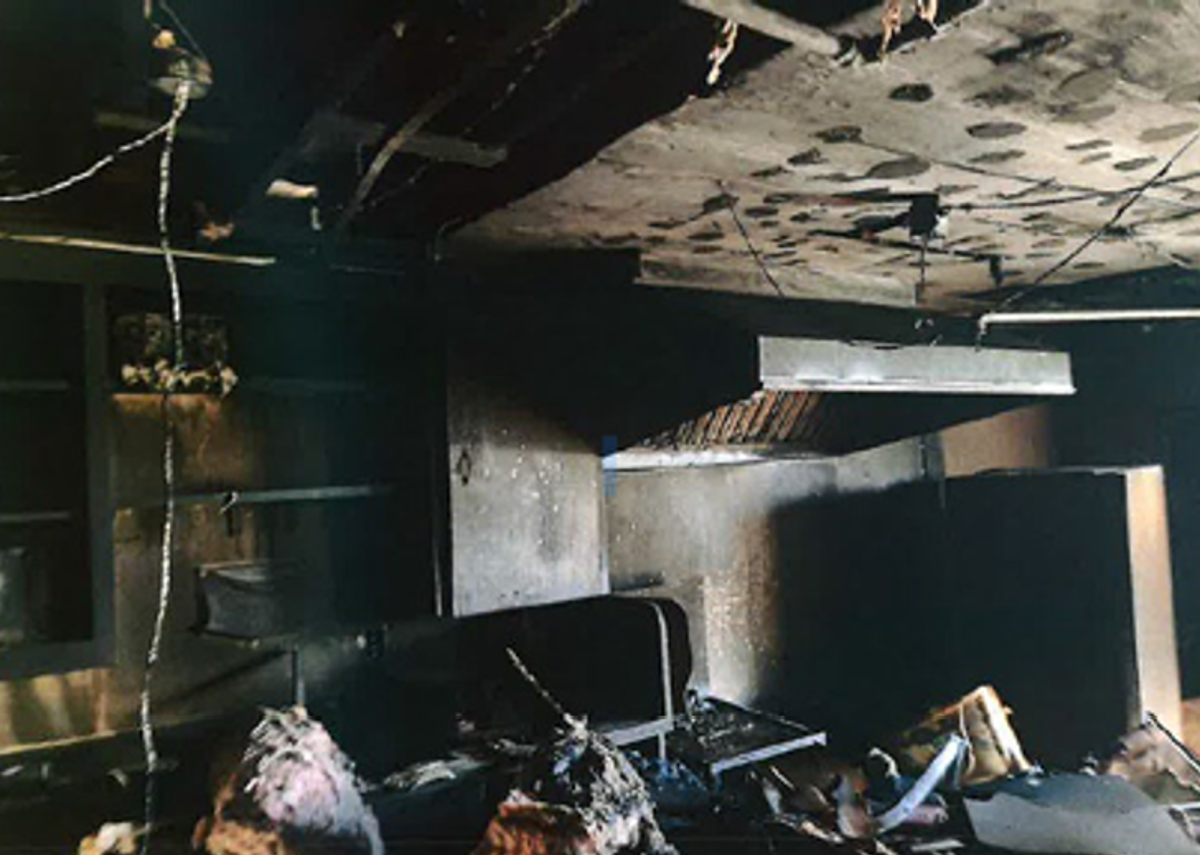
Fire spread to living quarters following hot work
What went wrong?
Inspections revealed the following:
- Hot work being conducted close (less than 10m) from equipment containing hydrocarbons.
- Inadequate housekeeping practices, with material like cardboard boxes found within 10m of hot work areas.
- Tools for fire prevention, such as fire extinguishers and portable gas detectors, not properly identified as necessary.
- Offshore personnel not following safe welding and hot work procedures.
- Inconsistent and infrequent training for personnel engaged in hot work and/or welding – that is persons without training or coding to the appropriate industry standard, were engaging in hot work.
- Hot work permits and Job Safety Analyses (JSAs) listing the same person to perform fire watch and perform the hot work!
What should be done?
The BSEE recommendations can be summarised thus:
- Ensure there are no flammable materials or hydrocarbons or other fire hazards nearby when preparing for hot work.
- Ensure the rating, current condition, and placement of fire protection barriers mitigate the potential risk caused by hot work, including personal protective equipment.
- Ensure a heightened level of planning specific to the hazards associated with welding and burning operations – stop and think for a minute, are we doing this safely?
- Check that training and competence requirements for persons doing hot work are in place and that they meet appropriate industry standards.
- Hot work operations should be inspected by someone in charge before starting work; adequate supervision and fire watches should be in place throughout.
- Ensure that all persons involved in hot work attend and participate in pre-job JSA meetings and toolbox talks and that they fully understand what is required of them.
Related Safety Flashes
-
IMCA SF 04/24
19 February 2024
-
-
IMCA SF 06/23
27 February 2023
-
-
IMCA SF 24/22
1 November 2022
-

IMCA Safety Flashes summarise key safety matters and incidents, allowing lessons to be more easily learnt for the benefit of the entire offshore industry.
The effectiveness of the IMCA Safety Flash system depends on the industry sharing information and so avoiding repeat incidents. Incidents are classified according to IOGP's Life Saving Rules.
All information is anonymised or sanitised, as appropriate, and warnings for graphic content included where possible.
IMCA makes every effort to ensure both the accuracy and reliability of the information shared, but is not be liable for any guidance and/or recommendation and/or statement herein contained.
The information contained in this document does not fulfil or replace any individual's or Member's legal, regulatory or other duties or obligations in respect of their operations. Individuals and Members remain solely responsible for the safe, lawful and proper conduct of their operations.
Share your safety incidents with IMCA online. Sign-up to receive Safety Flashes straight to your email.