BSEE: Compressed gas cylinder hazards
- Safety Flash
- Published on 23 July 2026
- Generated on 21 October 2026
- IMCA SF 13/26
- 3 minute read
The United States Bureau of Safety and Environmental Enforcement (BSEE) has published Safety Alert 516, relating to potential risks involving compressed gas cylinders.
What happened?
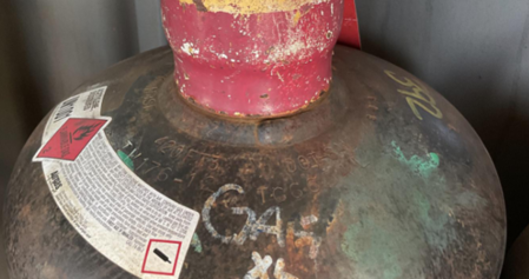
During the period 2024-25, multiple explosions were reported to the bureau and were linked to cylinder failures. Several of the explosions were severe, causing injuries and damage to facilities.
What was the response?
BSEE conducted a performance-based risk inspection, of 20 assets, including production platforms and well operations operated by 13 different operators across the Gulf region.
BSEE identified several key findings:
- Over-reliance on offsite, third-party contractors to ensure adequate integrity of compressed gas cylinders.
- Limited understanding of cylinder inspection programs and recharging processes.
- Offshore personnel not familiar with cylinder markings, recertification dates, local regulatory requirements for compressed gas cylinders, or the shelf life of compressed gas contents.
- Multiple compressed gas cylinders with no markings or information about their contents. No platform inspected used gas detectors to ensure cylinder integrity over time.
- Offshore personnel were unaware of recent safety alerts published by BSEE and the International Association of Drilling Contractors (IADC) on the risks and the recommendations to lower the risks associated with compressed gas cylinders.
- Some facilities with no compressed gas cylinder inspection programs. Cylinders containing the same gases stored together and secured, but cylinders with different pressure ratings stored in the same areas without adequate consideration. Some cylinders could not be inspected, and some had no markings or showed corrosion.
- In some facilities, no compressed gas cylinder maintenance plans and sole reliance on third-party inspections.
- Multiple cylinder racks in unprotected areas that did not allow for proper drainage, increasing long-term exposure to corrosive elements.
- Operator and contract personnel not trained on how to inspect compressed gas cylinders, the risk associated with them, or best practices to prevent rupture incidents.
It is to be noted that the BSEE report does record some positive findings. Here, IMCA has focussed on the lessons to be learned.
BSEE recommendations
- Ensure industry safety alerts are properly shared with offshore personnel.
- Ensure all compressed gas cylinders are stored by contents and pressure; be easily inspectable; have valve caps on when not in use and secured within a rack with chains, straps, or secured to a wall or support.
- Inspect all cylinders and validate that every compressed gas cylinder is properly labelled with clear, durable content identification. Every cylinder should have marking requirements that include legible content names, hazard warnings, and any information required by local regulatory requirement.
- Ensure offshore personnel have a full understanding of cylinder labels, markings and recertification dates.
- Establish a thorough inspection criteria for compressed gas cylinders, inspections should be conducted by qualified personnel and properly documented.
- Ensure there are written procedures for safe recharging operations.
- Work with third-party vendors to ensure all cylinders sent offshore meet the appropriate regulatory requirements.
- Ensure compressed gas cylinders are stored safely and subject to company procedures, local regulatory requirements and industry best practice.
Related Safety Flashes
-
IMCA SF 05/26
17 March 2026
-
-
IMCA SF 08/25
29 April 2025
-
IMCA SF 05/25
19 March 2025
-
-
IMCA SF 20/17
11 August 2017
-
IMCA SF 18/13
20 December 2013

IMCA Safety Flashes summarise key safety matters and incidents, allowing lessons to be more easily learnt for the benefit of the entire offshore industry.
The effectiveness of the IMCA Safety Flash system depends on the industry sharing information and so avoiding repeat incidents. Incidents are classified according to IOGP's Life Saving Rules.
All information is anonymised or sanitised, as appropriate, and warnings for graphic content included where possible.
IMCA makes every effort to ensure both the accuracy and reliability of the information shared, but is not be liable for any guidance and/or recommendation and/or statement herein contained.
The information contained in this document does not fulfil or replace any individual's or Member's legal, regulatory or other duties or obligations in respect of their operations. Individuals and Members remain solely responsible for the safe, lawful and proper conduct of their operations.
Share your safety incidents with IMCA online. Sign-up to receive Safety Flashes straight to your email.