H₂S detected on deck
- Safety Flash
- Published on 1 October 2026
- Generated on 1 October 2026
- IMCA SF 17/26
- 2 minute read
During vessel transit back to port, Hydrogen Sulphide (H₂S) was detected in the open space on the main deck.
What happened?
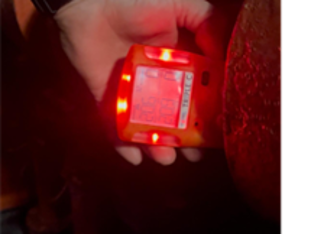
During vessel transit back to port, Hydrogen Sulphide (H₂S) was detected by means of portable gas detectors, in the open space on the main deck, specifically from certain bilge vents. Sludge and bilge disposal services were arranged on arrival in port. There was no injury and/or ill-health consequence to personnel. The suspected conclusion for the source of the H₂S was related to the mud loaded for the rig. The following immediate precautions were taken:
- All personnel working on the main deck and in the engine room were equipped with portable gas detectors.
- The affected area was isolated and monitored continuously.
Causal factors
- The bilge system had not been flushed after the previous chemical handling, nor before mud loading, leaving reactive residues.
- There was a “procedural gap” in the cleaning protocol and risk assessment for the bilge system after multi-chemical operations - there was no mandatory bilge flushing step in the procedures following tank cleaning or chemical transfers.
- There were multiple chemical residues present in the system (brine, polymer, black water).
- Anaerobic conditions in the bilge tanks favour H₂S generation.
- A lack of integrated chemical compatibility assessment during risk evaluation.
- Fixed gas detection system did not alarm because contamination developed later during transit.
Existing threat of potential H2S risk
- Why the Risk Exists: - KCl polymer mud and CaCl₂ brine themselves do not produce H₂S.
- Bilge water often contains organic matter and anaerobic bacteria which can generate sulphides.
- Drilling mud residues may contain sulphide minerals (iron sulphide, sodium sulphide) from formations. When these sulphides are present and pH falls (acidic conditions), H₂S gas can be produced.
- Risk Factors
- Presence of sulphides in mud or bilge water.
- Anaerobic bacterial activity in stagnant bilge water producing sulphides.
- Acidic contamination (e.g., CO₂ ingress, acid cleaning fluids).
- Temperature increase accelerating reactions.
Lessons learned
- Ensured vessel standard operating procedures include mandatory bilge flushing after chemical handling and before mud loading.
- Chemical compatibility review: Implemented a checklist for reactive residue risks, to be done during the t toolbox talk.
- Extended cleaning scope to bilge system when tanks are pressure washed.
- Added periodic H₂S checks in bilge tanks during transit.
- Crew training: Emphasise chemical interaction risks and anaerobic conditions in bilge systems.
Related Safety Flashes
-
IMCA SF 08/25
29 April 2025
-
-
IMCA SF 32/21
25 November 2021
-
IMCA SF 12/24
18 June 2024
-

IMCA Safety Flashes summarise key safety matters and incidents, allowing lessons to be more easily learnt for the benefit of the entire offshore industry.
The effectiveness of the IMCA Safety Flash system depends on the industry sharing information and so avoiding repeat incidents. Incidents are classified according to IOGP's Life Saving Rules.
All information is anonymised or sanitised, as appropriate, and warnings for graphic content included where possible.
IMCA makes every effort to ensure both the accuracy and reliability of the information shared, but is not be liable for any guidance and/or recommendation and/or statement herein contained.
The information contained in this document does not fulfil or replace any individual's or Member's legal, regulatory or other duties or obligations in respect of their operations. Individuals and Members remain solely responsible for the safe, lawful and proper conduct of their operations.
Share your safety incidents with IMCA online. Sign-up to receive Safety Flashes straight to your email.