Dropped object: unsecured cargo inside box broke lose and fell
- Safety Flash
- Published on 31 July 2024
- Generated on 27 October 2026
- IMCA SF 15/24
- 3 minute read
Cargo weighing over 400kg fell approx. 5m onto the vessel deck.
What happened?
A load of cargo being lifted onto a vessel destabilised and the cargo, weighing over 400kg, fell approx. 5m from the load onto the vessel deck. This high potential near miss incident occurred when materials were being lifting from the quay onto a vessel alongside. A pallet containing two closed wooden crates with one piece inside each crate, was slinged and lifted. At around 5m off the deck, the crane started to turn the load into the vessel’s deck. A hydraulic ram within the cargo moved and broke the wooden crate, causing the pallet assembly to destabilize and the two crates to fall to the vessel deck. There were crew members on deck within 3m of the impact. No-one was injured. There was some damage to deck equipment.
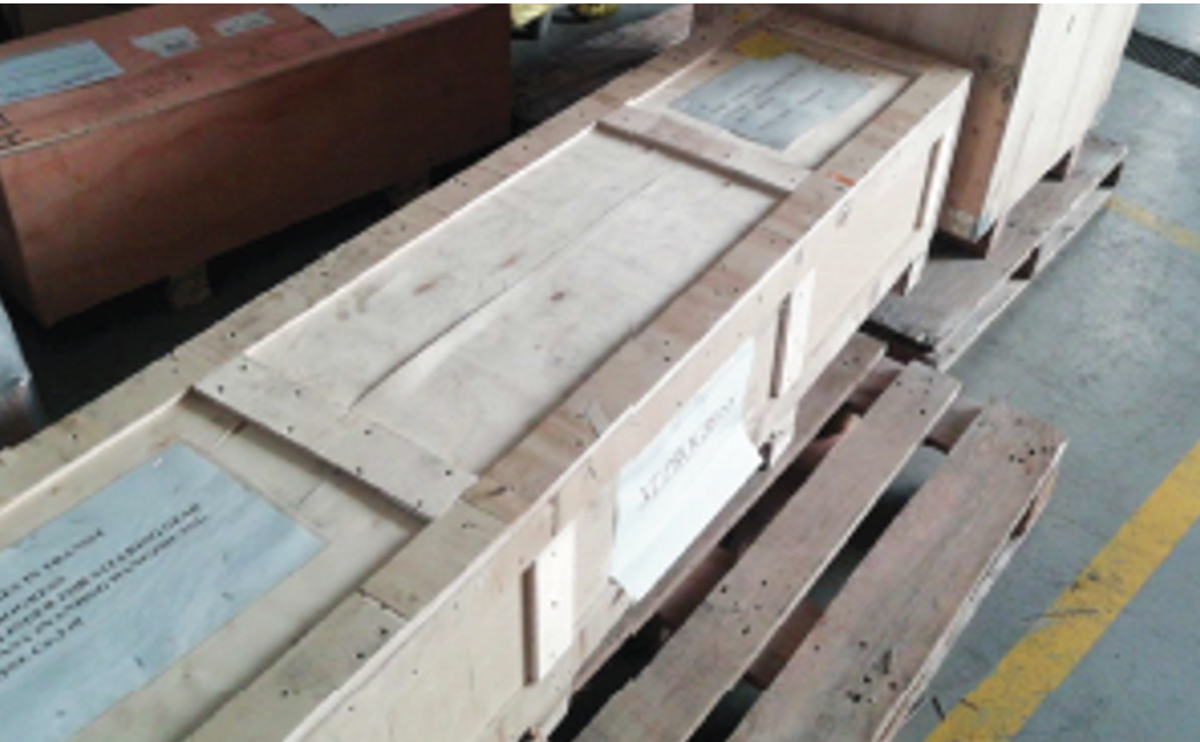
Condition of the cargo box before the incident
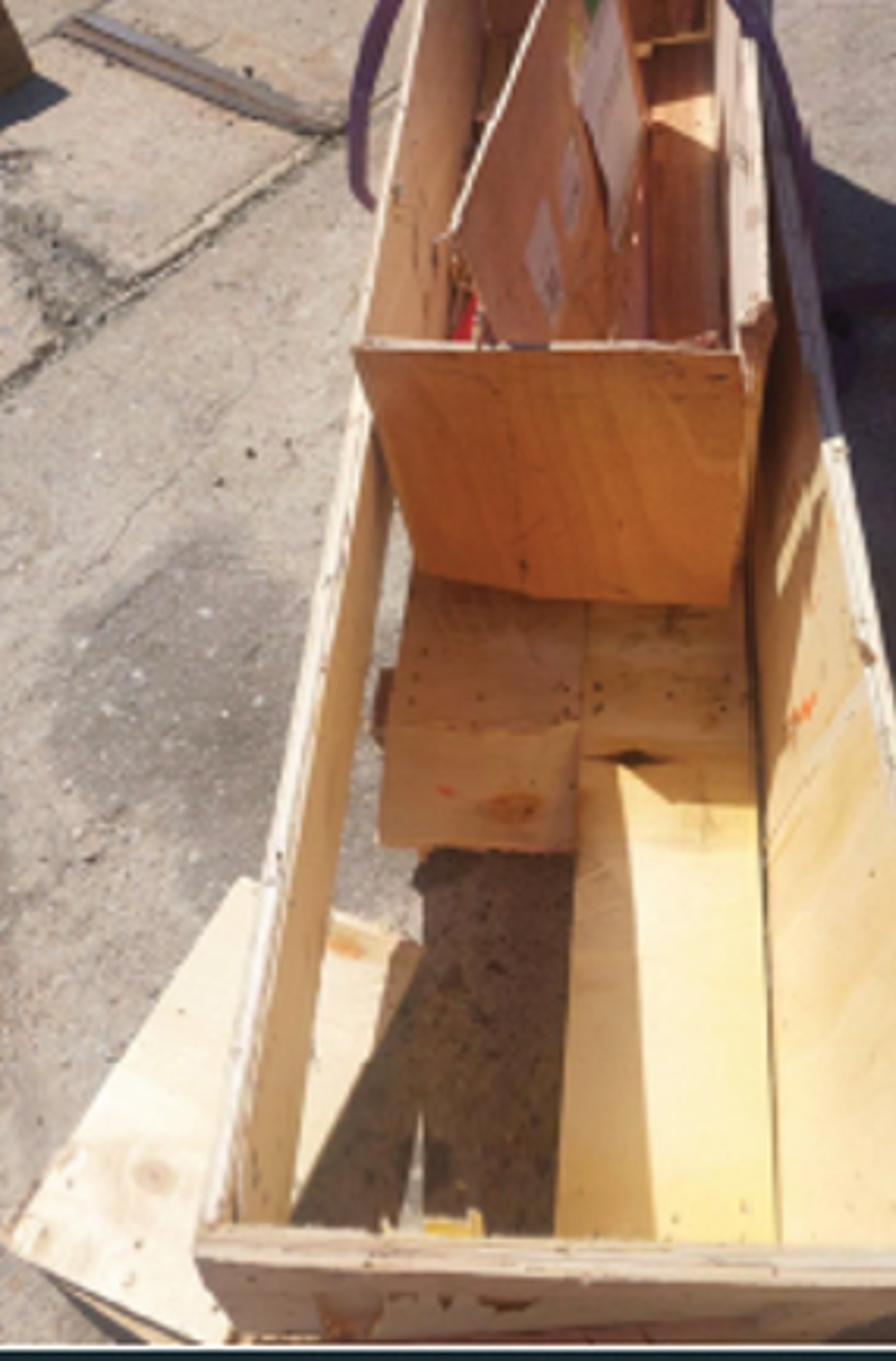
Condition of the cargo box after the incident
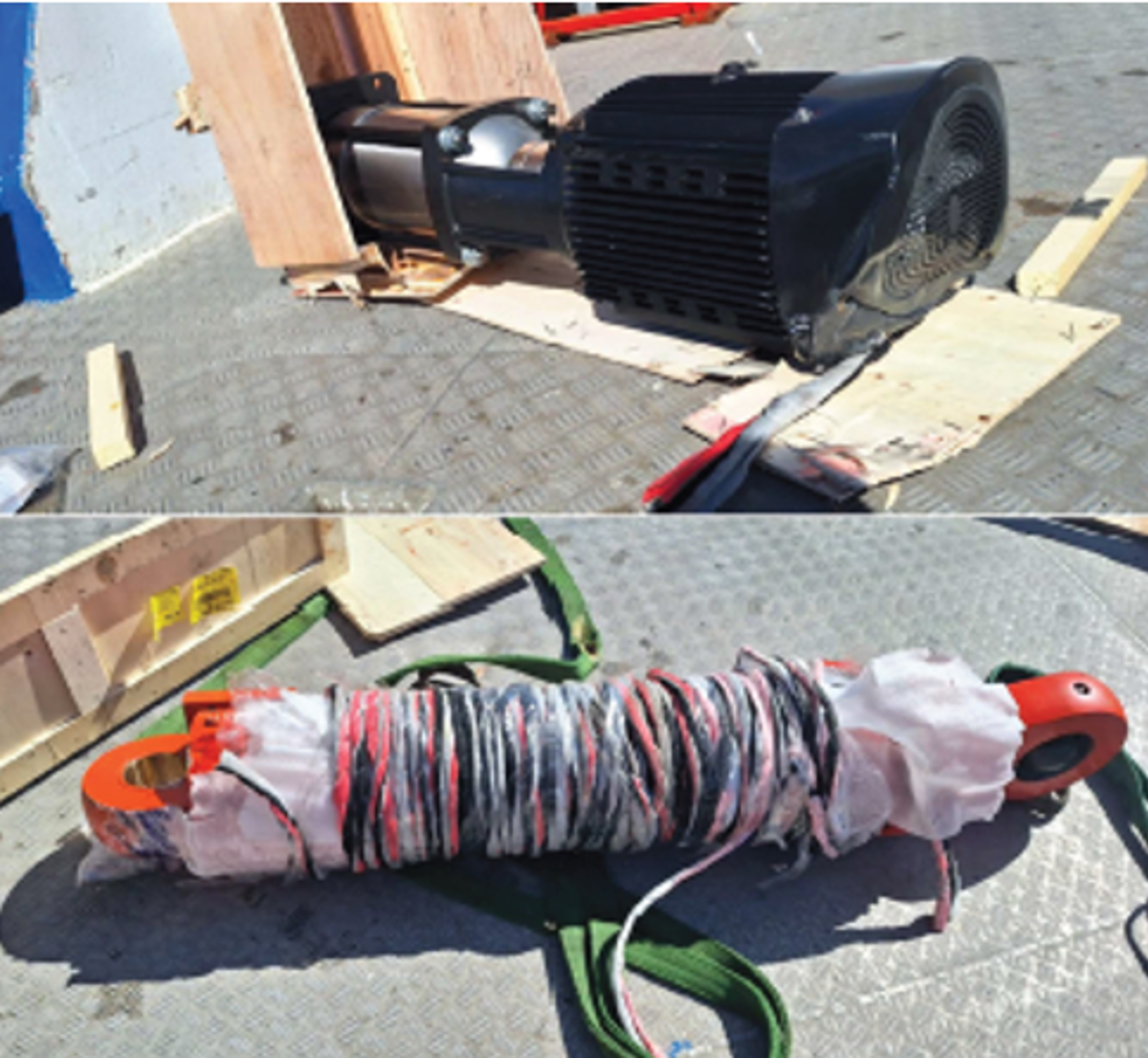
Pump and hydraulic ram dropped
What went wrong?
- The cargo was not prepared properly: the wooden box in which the hydraulic ram was stored did not contain any support or cargo securing structure; the hydraulic ram was loose and could slide around the box due to inertia and the lack of support.
- The two boxes were placed onto the pallet but were not secured by any means as strapping or shrink-wrapped to the pallet. This allowed the boxes to move more freely around the pallet surface and change the balance and centre of gravity of the load.
- The pallet was loaded with two wooden boxes, one with the ram that weighted 365 kgs and the other box contained a pump weighed 93 kgs, so the pallet was unbalanced.
- There were several gusts of wind during the operation that could have swayed the load during lifting.
Actions
- Only trained and certified vessel crew should be involved in lifting operations.
- Cargo delivered to the vessel should be visually inspected by competent personnel to assess their condition before lifting. Any doubts as to their integrity should be reported to the vessel master and client as required, and the cargo rejected until safety is confirmed.
- Wooden pallets are not designed to be lifted. Pallets do not have a safe working load and slings can cause the pallet to fail regardless of the type.
- Cargo should be properly secured and that securing should be assessed by competent personnel before the lift starts.
- Check the weather, particularly the wind, before and during lifting operations.
Members may wish to refer to:
IMCA HSS 019 Guidelines for lifting operations
Related Safety Flashes
-
IMCA SF 23/16
13 September 2016
-
IMCA SF 24/18
30 October 2018
-
-
IMCA SF 08/22
1 April 2022
IMCA Safety Flashes summarise key safety matters and incidents, allowing lessons to be more easily learnt for the benefit of the entire offshore industry.
The effectiveness of the IMCA Safety Flash system depends on the industry sharing information and so avoiding repeat incidents. Incidents are classified according to IOGP's Life Saving Rules.
All information is anonymised or sanitised, as appropriate, and warnings for graphic content included where possible.
IMCA makes every effort to ensure both the accuracy and reliability of the information shared, but is not be liable for any guidance and/or recommendation and/or statement herein contained.
The information contained in this document does not fulfil or replace any individual's or Member's legal, regulatory or other duties or obligations in respect of their operations. Individuals and Members remain solely responsible for the safe, lawful and proper conduct of their operations.
Share your safety incidents with IMCA online. Sign-up to receive Safety Flashes straight to your email.