Loss of ROV: dropped object
- Safety Flash
- Published on 22 December 2009
- Generated on 16 October 2026
- IMCA SF 18/09
- 2 minute read
A Member has reported an incident in which a remotely controlled vehicle (ROV) and its tether management system (TMS) were dropped to the seabed following failure of the umbilical termination.
What happened?
During recovery of the system, just as the bullet was about to enter the docking head in the A-frame, the umbilical separated from the TMS and both the ROV and its TMS were dropped to the seabed.
Immediately after the incident occurred, all electrical power to the ROV was switched off and high voltage equipment was earthed according to procedure.
The incident occurred three months after the latest umbilical re-termination.
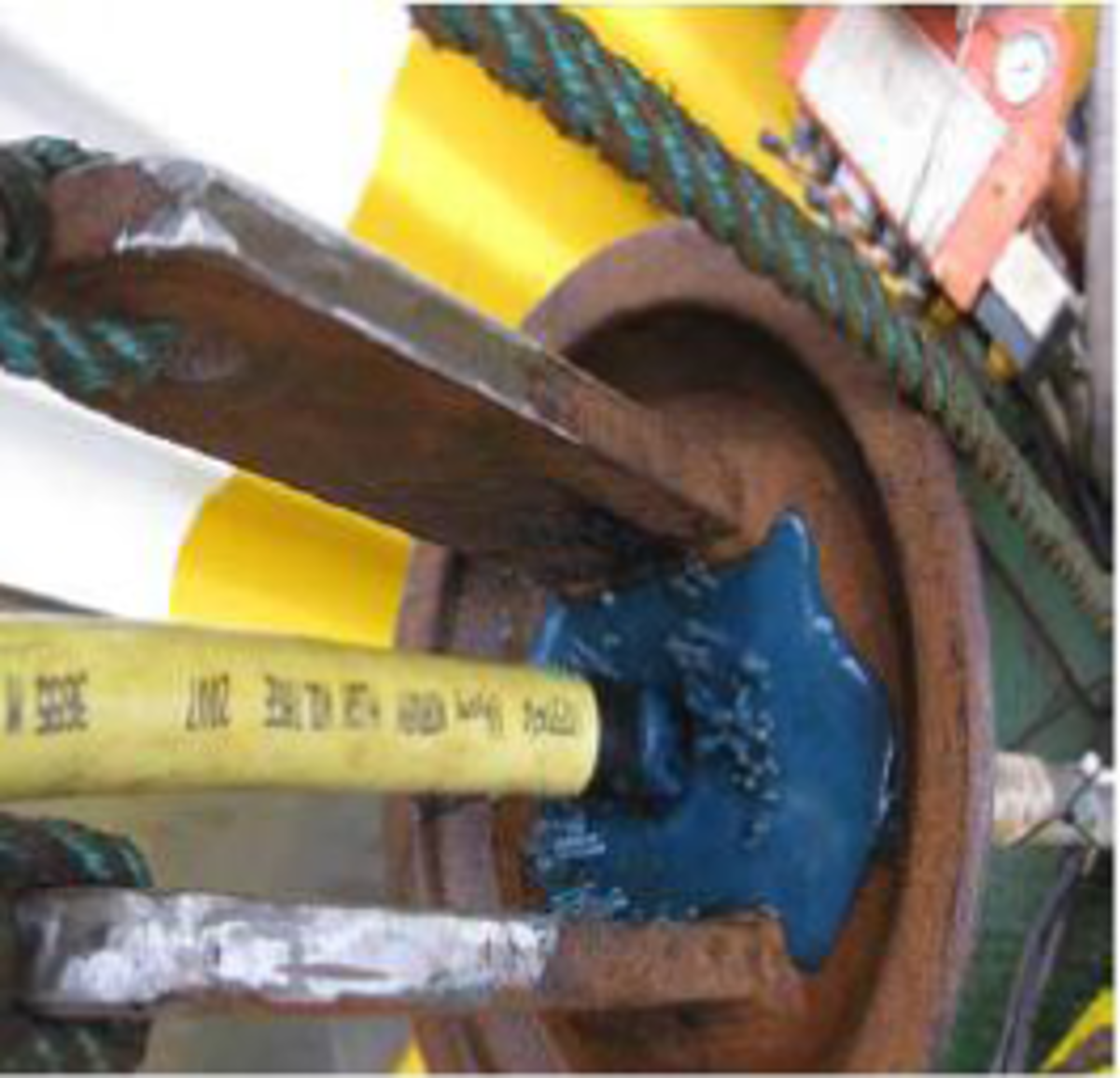
picture of cast taken after re-termination
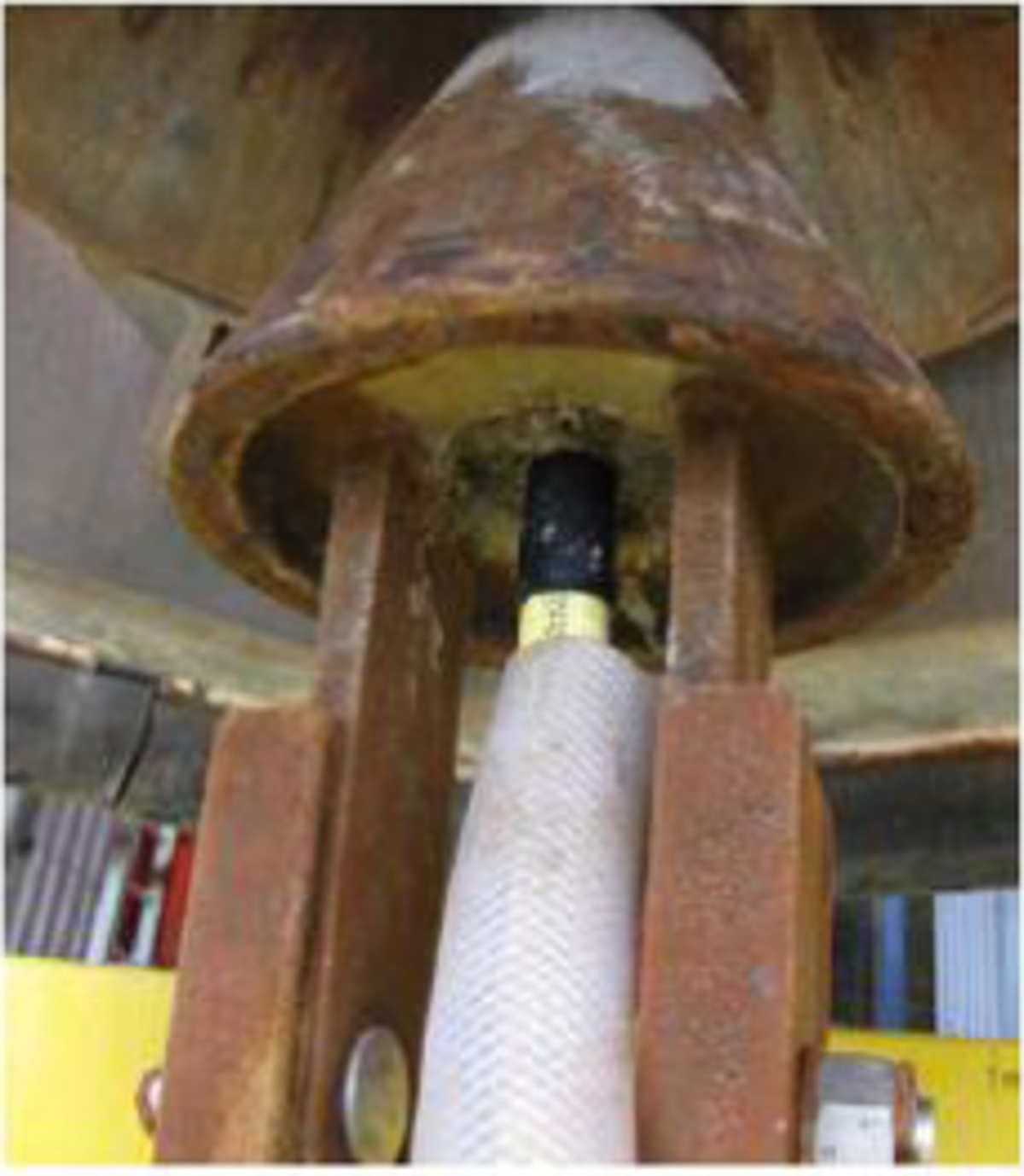
two months after the cast was made, the strands show signs of being pulled into the cone (random picture available from system)
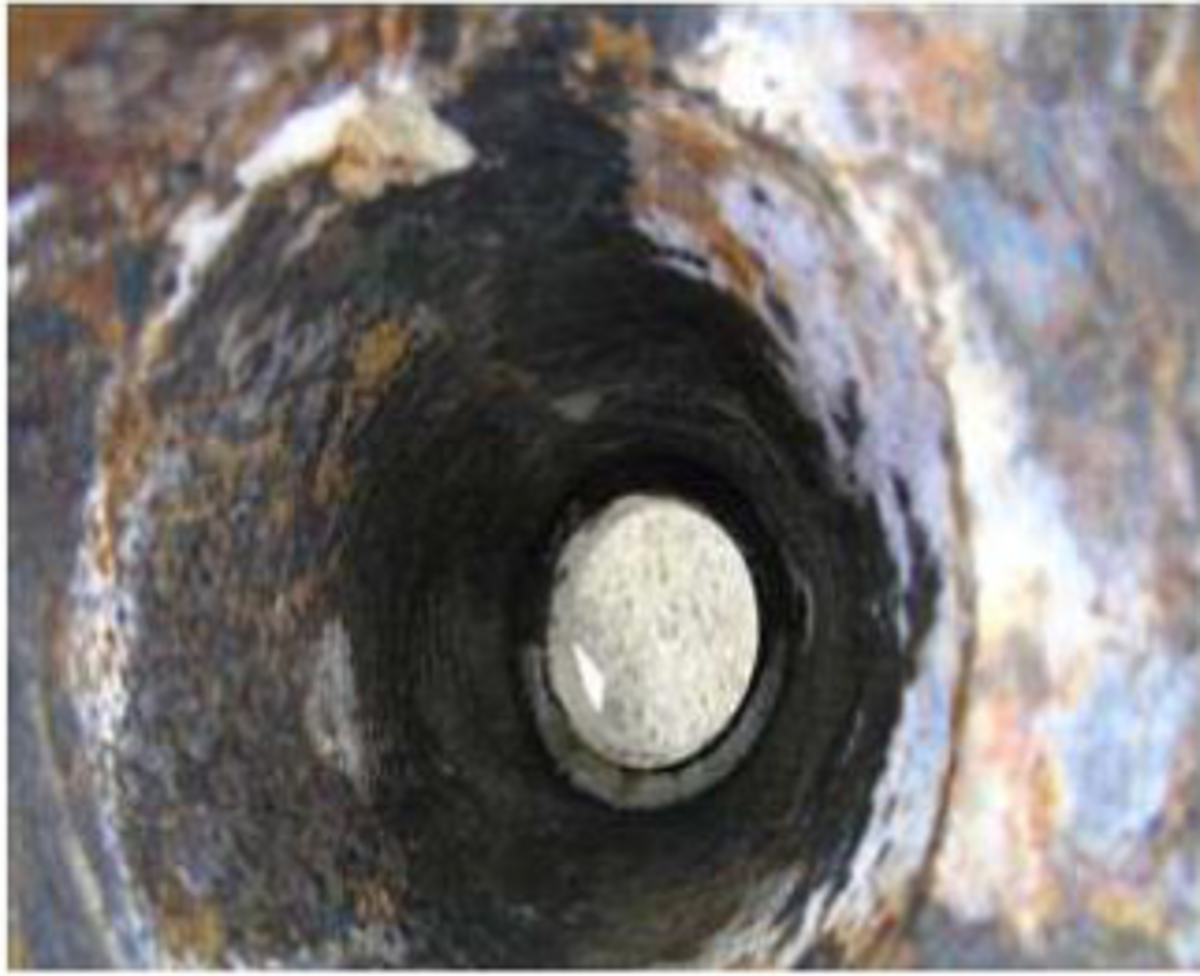
the surface of the inner cone was corroded and rough, although loose rust was removed
What were the causes?
Investigation found that:
- The friction on the inner wall of the bullet was found to be greater than the combined friction of the strands, with the result that the cast was not able to be drawn down and wedged properly.
- During the investigation it also became clear that the relevant checkpoint in the maintenance programme was not detailed enough.
The root causes of the incident were determined to be:
- Friction on the inner wall of the bullet was greater than the combined friction of the strands.
- An important quality control checkpoint lacked clear, and easy to follow, instructions.
Actions
The following corrective actions were made:
- A new maintenance checkpoint task was added for inspecting the armour strands for any signs of being pulled through the potting.
- Pictures of the cast structure of the company’s entire ROV fleet were initiated immediately following this incident, for further review and technical analysis.
- Further pictures of the cast structure of every ROV system would be taken on a frequent basis.
- All bullets made of carbon steel would be changed out and replaced with a new type of bullet made of stainless steel. This would eliminate corrosion and friction to the inner walls of bullet.
IMCA Safety Flashes summarise key safety matters and incidents, allowing lessons to be more easily learnt for the benefit of the entire offshore industry.
The effectiveness of the IMCA Safety Flash system depends on the industry sharing information and so avoiding repeat incidents. Incidents are classified according to IOGP's Life Saving Rules.
All information is anonymised or sanitised, as appropriate, and warnings for graphic content included where possible.
IMCA makes every effort to ensure both the accuracy and reliability of the information shared, but is not be liable for any guidance and/or recommendation and/or statement herein contained.
The information contained in this document does not fulfil or replace any individual's or Member's legal, regulatory or other duties or obligations in respect of their operations. Individuals and Members remain solely responsible for the safe, lawful and proper conduct of their operations.
Share your safety incidents with IMCA online. Sign-up to receive Safety Flashes straight to your email.