MSF: Water-based mud spill on deck
- Safety Flash
- Published on 12 June 2020
- Generated on 6 October 2026
- IMCA SF 18/20
- 2 minute read
The Marine Safety Forum (MSF) has published Safety Alert 20-05 relating to a spill of water-based mud
What happened?
During routine mud transfer operations at an offshore installation the rig hose parted from the vessel’s manifold resulting in a release of approximately 2,500 litres of mud to the deck.
The crew quickly stopped the transfer and proceeded to use standard SOPEP equipment on-board to contain the spill on deck and recovered the contaminated mud within an empty mud tank.
The spill was entirely contained with no loss to the environment.
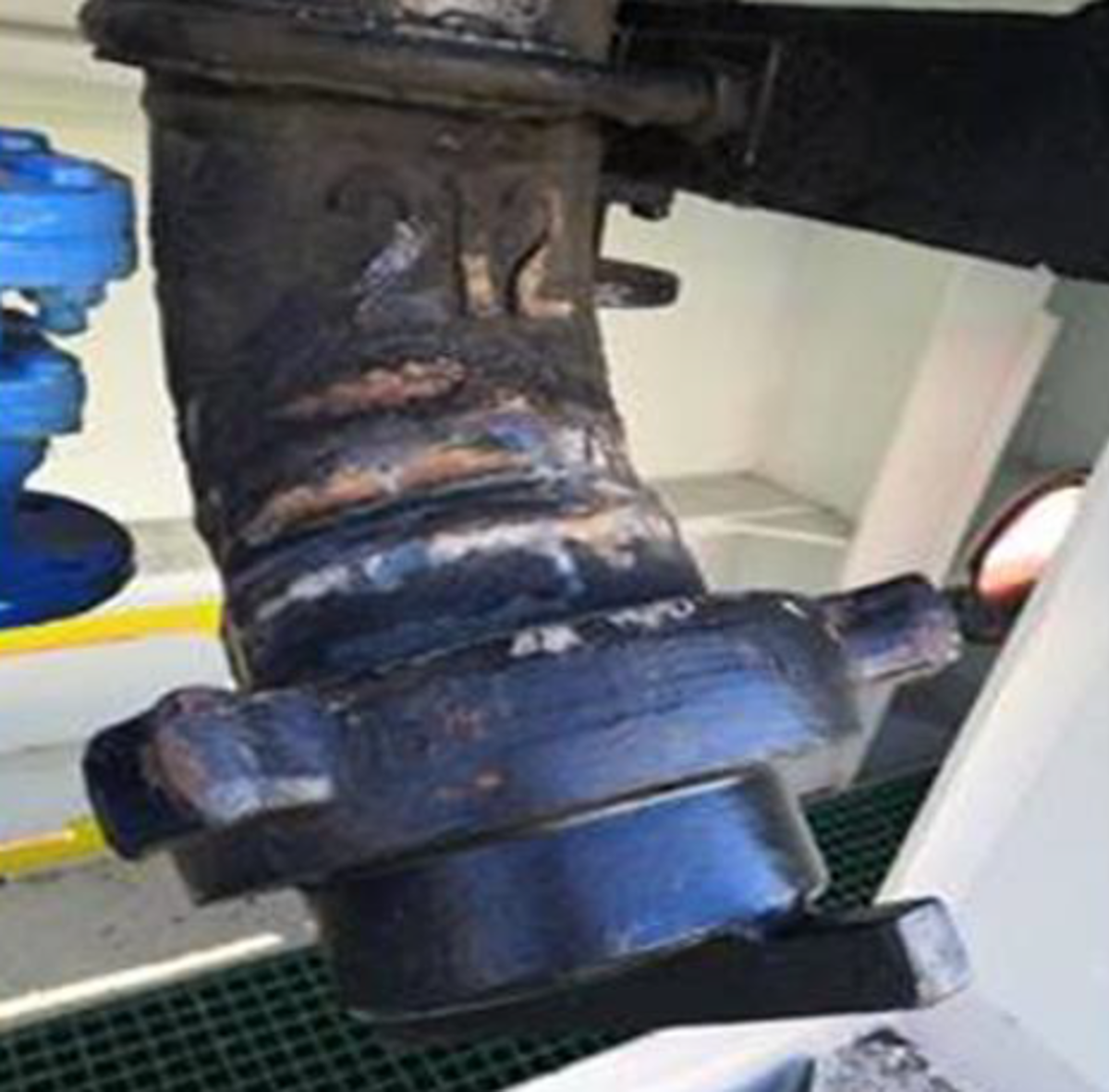
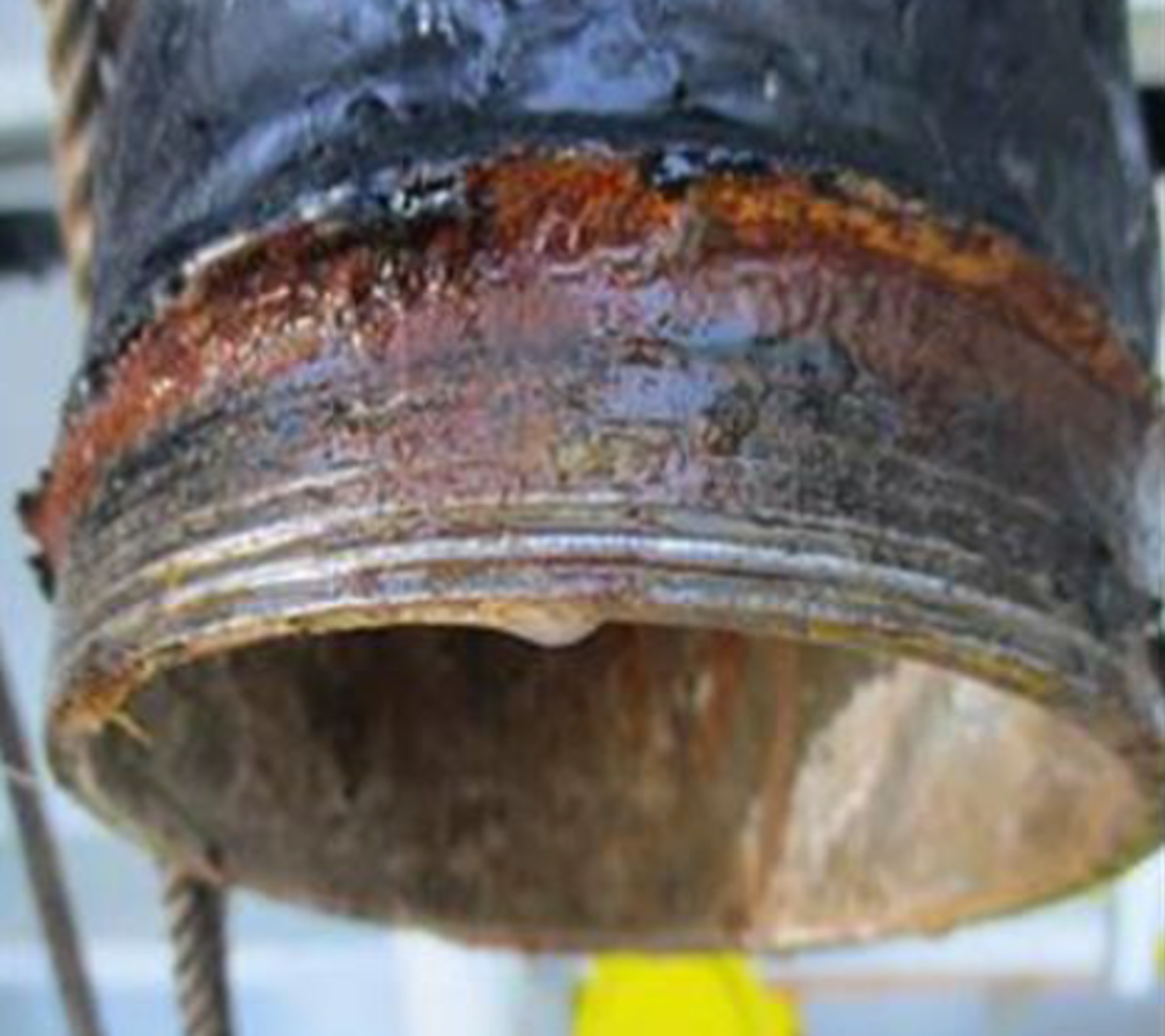
What were the causes? / What went wrong?
The manifold is normally fitted with a hammer union connection. It was discovered after initial inspection of the vessel’s manifold that the thread between the manifold and the hammer union was found to be corroded.
Further inspection of the manifold threads determined that the threads in place were incompatible. The original manifold threads on-board the vessel were non-compliant to the standard National Pipe Thread (NPT) connection and therefore did not correctly engage.
As a result, these threads did not provide an adequate seal which increased the opportunity for corrosion to occur. This led the connection, over a period of time to become weakened and resulted in the hose parting from the manifold.
What actions were taken?
- Careful check to ensure different threads are correct and compatible with one another.
- Regularly monitor and inspect the condition of the threads on manifolds by implementing into the vessels’ planned maintenance system (PMS).
- Pre-use checks to be conducted as part of the wet bulk transfer checklist to incorporate visual inspections of the manifold connection threads.
Whilst in this incident there was no harm to persons or to the environment, the issue of proper management of threads, most particularly the ensuring of compatibility, is a topic that has been raised before. There have been a number of incidents some of which have had tragic consequences.
Related Safety Flashes
-
IMCA SF 16/20
22 May 2020
-
-
IMCA SF 05/17
3 March 2017
-
-
IMCA SF 18/16
4 July 2016
-
IMCA SF 04/11
19 April 2011
IMCA Safety Flashes summarise key safety matters and incidents, allowing lessons to be more easily learnt for the benefit of the entire offshore industry.
The effectiveness of the IMCA Safety Flash system depends on the industry sharing information and so avoiding repeat incidents. Incidents are classified according to IOGP's Life Saving Rules.
All information is anonymised or sanitised, as appropriate, and warnings for graphic content included where possible.
IMCA makes every effort to ensure both the accuracy and reliability of the information shared, but is not be liable for any guidance and/or recommendation and/or statement herein contained.
The information contained in this document does not fulfil or replace any individual's or Member's legal, regulatory or other duties or obligations in respect of their operations. Individuals and Members remain solely responsible for the safe, lawful and proper conduct of their operations.
Share your safety incidents with IMCA online. Sign-up to receive Safety Flashes straight to your email.