Caught between: Unplanned movement of equipment leads to severe injuries
- Safety Flash
- Published on 15 August 2023
- Generated on 7 April 2026
- IMCA SF 20/23
- 3 minute read
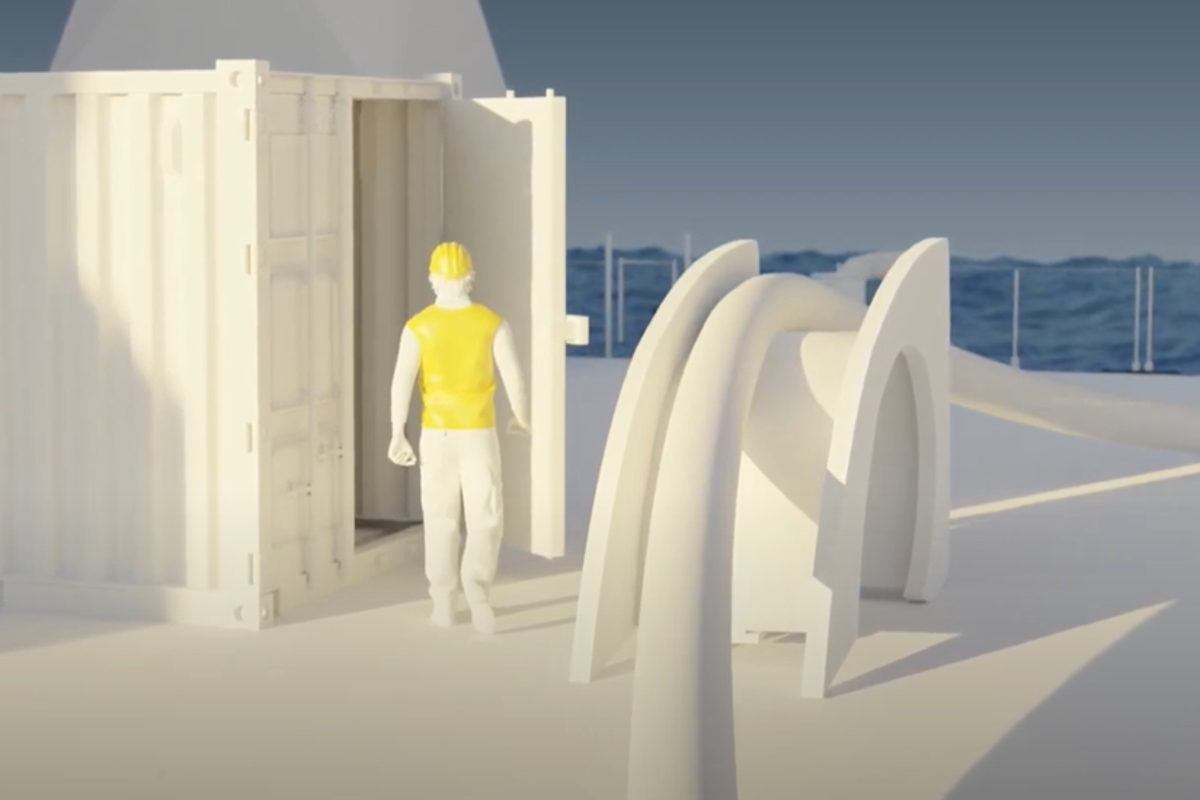
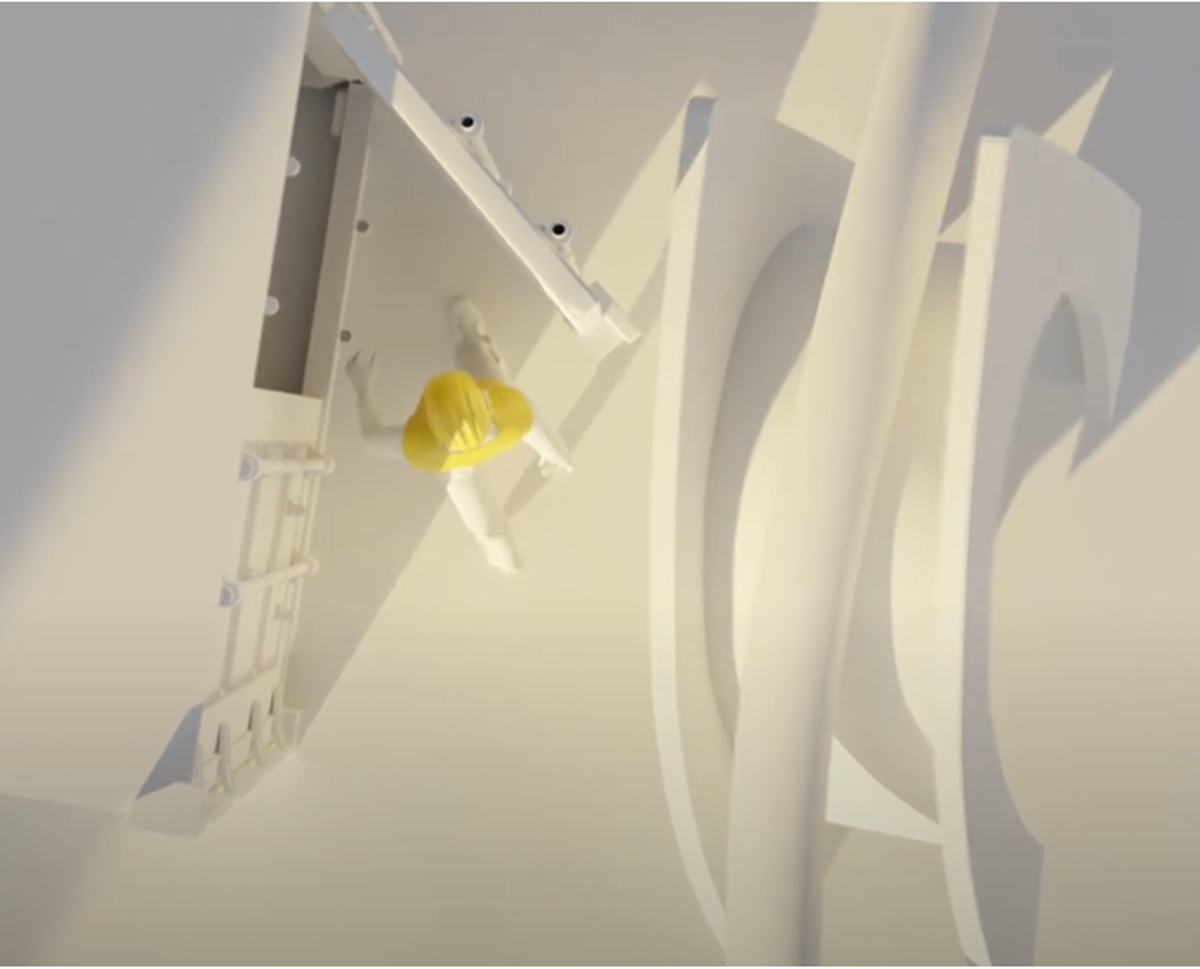
A mechanic was caught in the door of a freight container by a tipped-over hose saddle weighing 3 tonnes.
What happened?
The incident occurred when a team was performing maintenance works to a hydraulic spread on deck.
A mechanic, who was not involved with these works, passed by the hose saddle, and entered a nearby container. At that moment the hydraulic hoses moved, causing the hydraulic saddle to tip over towards the container door, trapping the mechanic in between the container door and the frame.
The mechanic sustained severe injuries for which he underwent surgery, and will be off work for more than 6 months.
What went right?
- Emergency response was initiated properly and in a timely manner and the injured person rescued.
- First Aid was given on site until the person could be evacuated to a nearby hospital.
What went wrong?
Multiple things went wrong leading up to the incident:
- The hose saddle was not secured to the deck and due to its shape has a high centre of gravity, making it unstable.
- Because of the maintenance activities, the hose saddle was repositioned on deck, without a Management of Change (MoC) procedure being implemented.
- People working in the area were informed of the pressure tests on the hoses, but the mechanic was not there at that briefing. No Permit to Work was requested, nor was the area barricaded.
What were causes of the incident?
The following causes were identified:
- No “Safety By Design”: the hose saddle was top-heavy and was not sea fastened.
- No risk assessment or management of change was done before repositioning the hose saddle.
- There was no proper risk management of ongoing (simultaneous) activities - for example, Permit To Work, barricading of the area, and thorough communications to all stakeholders.
Actions?
- Incorporate “Safety by design” for all tools and equipment (including the importance of stability).
- When there is a deviation from the planned work, a Management of Change procedure should take place.
- Proper implementation of the Permit To Work system as and when required.
- All persons involved in the job and in the work area should take part in the toolbox meeting before starting work.
Our member took the following actions:
- Assessed the stability of all deck equipment.
- Sea-fastened all (unstable) deck equipment, also equipment which was in temporary locations.
- Reinforced the importance of procedural safety barriers such as the Management of Change process, last-minute risk assessment, and the Permit to Work system.
- Worked to improve safety coordination between all parties, including subcontractors.
Members may wish to refer to:
- IMCA M203 – Guidance on simultaneous operations (SIMOPS)
- IMCA HSS036 – In the line of fire (video)
Related Safety Flashes
-
IMCA SF 21/15
7 December 2015
IMCA Safety Flashes summarise key safety matters and incidents, allowing lessons to be more easily learnt for the benefit of the entire offshore industry.
The effectiveness of the IMCA Safety Flash system depends on the industry sharing information and so avoiding repeat incidents. Incidents are classified according to IOGP's Life Saving Rules.
All information is anonymised or sanitised, as appropriate, and warnings for graphic content included where possible.
IMCA makes every effort to ensure both the accuracy and reliability of the information shared, but is not be liable for any guidance and/or recommendation and/or statement herein contained.
The information contained in this document does not fulfil or replace any individual's or Member's legal, regulatory or other duties or obligations in respect of their operations. Individuals and Members remain solely responsible for the safe, lawful and proper conduct of their operations.
Share your safety incidents with IMCA online. Sign-up to receive Safety Flashes straight to your email.