MAIB: Capsize and sinking of fishing vessel Joanna C – vessel stability
- Safety Flash
- Published on 26 September 2022
- Generated on 22 September 2026
- IMCA SF 21/22
- 3 minute read
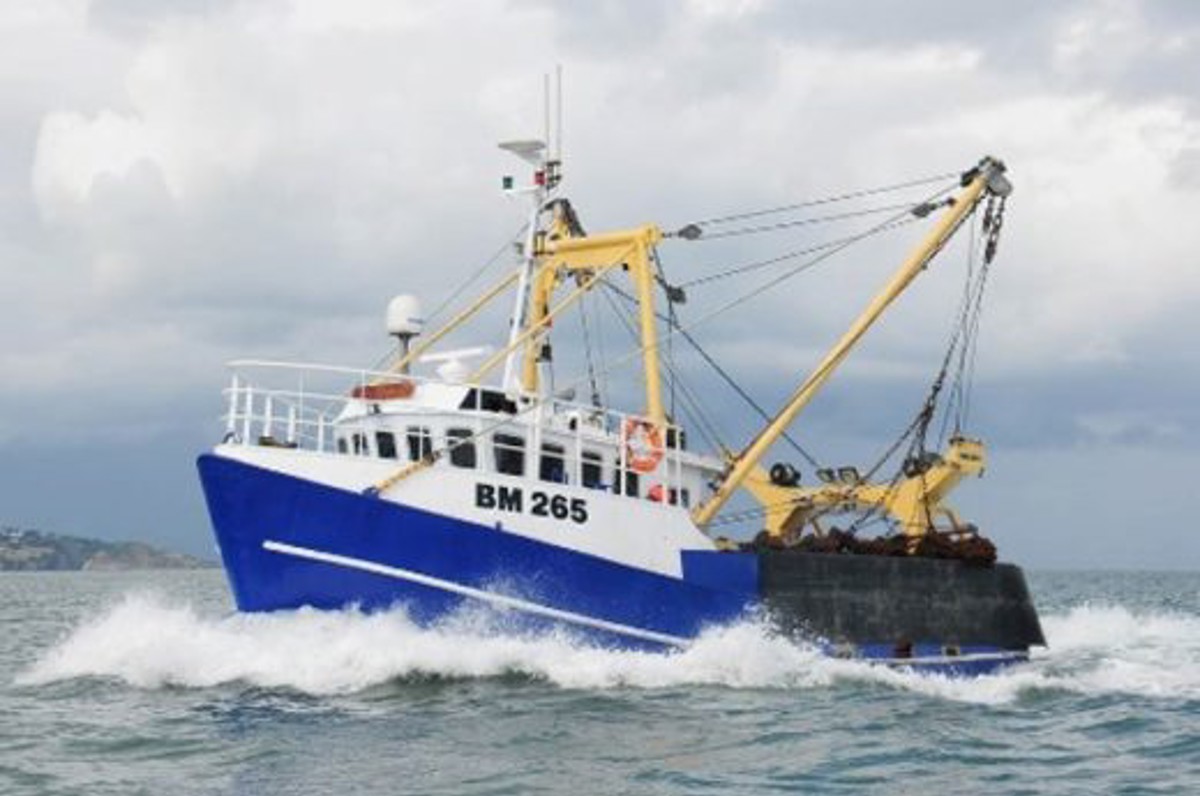
The UK Marine Accident Investigation Branch (MAIB) has published Accident Investigation Report 7/2022 into the capsize and sinking with loss of life, of the fishing vessel Joanna C.
What happened?
Early in the morning, in darkness and windy conditions, the crew of a scallop dredger was recovering the dredges, full of catch, back on board. As the gear emerged out of the water, the skipper realised that the starboard dredge bar was snagged on a potting line. At the same time, the vessel started to heel to starboard and rapidly capsized. The mate, who was on deck, was thrown into the sea, but the skipper and deckhand were initially trapped inside the floating, upturned hull. After about 40 minutes, the skipper managed to escape as the boat sank, but the deckhand remained trapped inside.
Only the skipper survived this accident. The deckhand was unable to escape from the upturned boat and his body was recovered from the wreck by divers the following day; the mate’s body washed up ashore sometime later.
What went wrong?
The MAIB’s investigation found that through-life modifications, culminating in extensive alterations in 2019, had reduced Joanna C’s previously good stability to a state where she had very low reserves of positive stability and increased vulnerability to capsize. The detrimental effect of the modifications was unknown to the crew and regulator alike because, although a stability assessment had begun after the 2019 modifications, the analysis was never completed, and the vessel was free to continue operation.
The vessel’s life raft did not inflate during the accident because the uninflated life raft had insufficient buoyancy to initiate the inflation mechanism. The absence of a life raft adversely affected the survivability of the crew in the sea after the vessel sank.
Some of the lessons drawn from the MAIB’s safety flyer about this incident:
- Modifications will alter a vessel’s stability characteristics.
- Post-accident analysis identified that multiple modifications over many years had eroded the fishing vessel’s stability condition from one of being very satisfactory, to that of failing the required criteria by a wide margin.
- Automatic lifesaving appliances need to be arranged so that they float free and aid survivors.
- After Joanna C sank, the float free life raft was released from its cradle by the Hydrostatic Release Unit (HRU) but did not subsequently inflate. The life raft did not inflate because it was a model intended for use in the leisure industry and was not manufactured to meet any design standard. At the time of this accident, the carriage of a liferaft that did not meet any industry standard was acceptable under the small fishing vessel regulations.
Related Safety Flashes
-
IMCA SF 29/17
15 November 2017
-

IMCA Safety Flashes summarise key safety matters and incidents, allowing lessons to be more easily learnt for the benefit of the entire offshore industry.
The effectiveness of the IMCA Safety Flash system depends on the industry sharing information and so avoiding repeat incidents. Incidents are classified according to IOGP's Life Saving Rules.
All information is anonymised or sanitised, as appropriate, and warnings for graphic content included where possible.
IMCA makes every effort to ensure both the accuracy and reliability of the information shared, but is not be liable for any guidance and/or recommendation and/or statement herein contained.
The information contained in this document does not fulfil or replace any individual's or Member's legal, regulatory or other duties or obligations in respect of their operations. Individuals and Members remain solely responsible for the safe, lawful and proper conduct of their operations.
Share your safety incidents with IMCA online. Sign-up to receive Safety Flashes straight to your email.