Near-miss: Leopard seal interference with diver
- Safety Flash
- Published on 22 November 2016
- Generated on 3 April 2026
- IMCA SF 31/16
- 2 minute read
A member has reported a near miss incident in which diving operations had to be aborted when leopard seals started interfering.
What happened?
The incident occurred during IRM operations on an SPM and PLEM in the South Atlantic. Whilst all divers, equipment and animals were unharmed, the potential risk of harm was very high and could not be ignored.
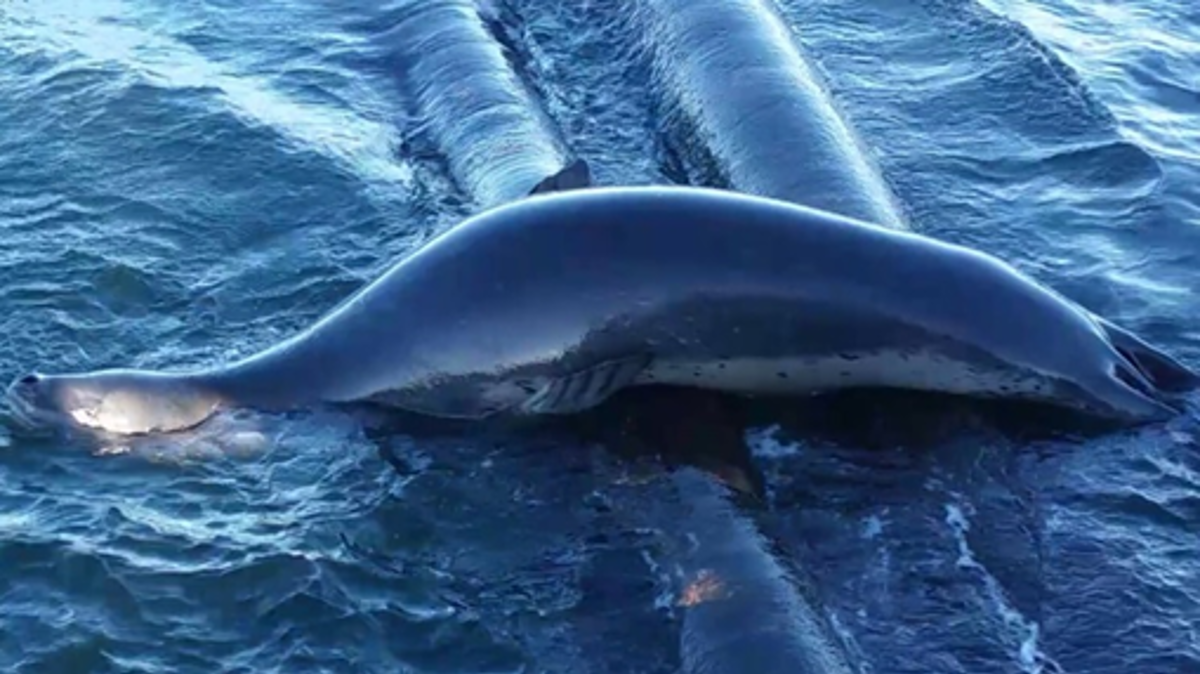
Leopard Seals are apex marine predators that typically grow to over 3m in length and over 500kg in weight.
In the first instance the animals were displaying a high level of curiosity, showing a gaping mouth and fast circling around the diver. The diver was safely recovered to the LARS basket and brought back to surface as the Leopard Seal got closer and closer. The Leopard Seal continued to remain in the area, beaching itself on the floating hoses, but after a period of no sightings, diving operations were resumed.
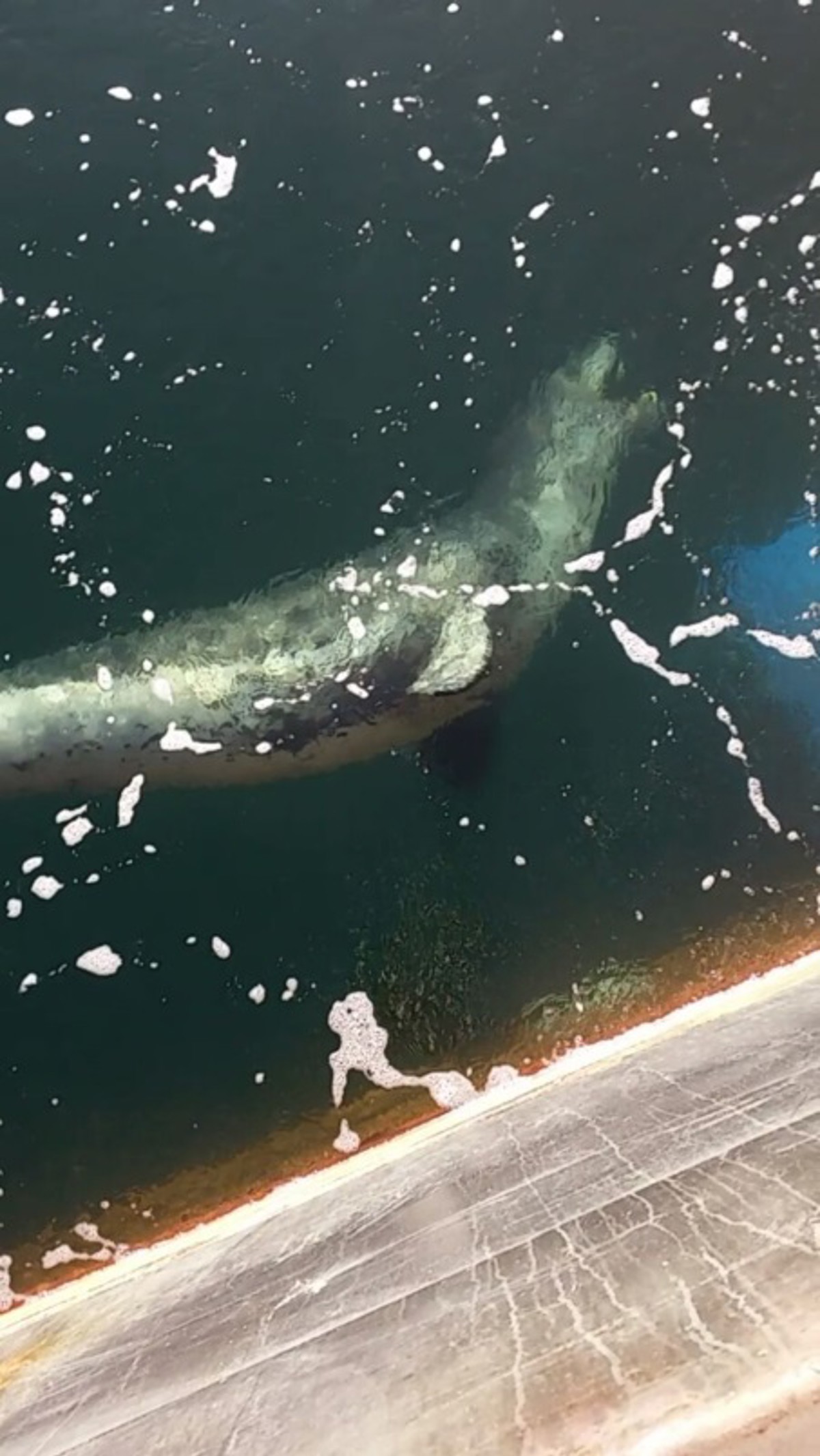
A week later the diver was working on the subsea valves when he received a strong push from behind. The diver took refuge between the valves whilst the animal closely investigated the diver, again with high speed swimming and a wide open mouth. The diver was brought back to the LARS basket and recovered to surface but the seal forced the diver to take refuge in the bottom of the basket during the ascent. The diver was badly shaken by the experience.
After consultation with British Antarctic Survey, divers, underwater cameramen and environmental researchers who regularly dive in the South Atlantic and Antarctic waters, the following procedures were put in place:
- A watch for marine mammals should be in place for 30 minutes before starting a dive.
- The marine mammal watch should be maintained throughout diving operations. If a Leopard Seal, or an Orca (killer whale), be seen, this is to be communicated to Dive Control and the diver recovered to deck.
- If the Leopard Seal comes into contact with the diver, the diver is to return as calmly as possible to the LARS basket along the seabed, keeping arms close to the body, and not touching or pushing the animal.
- Midwater swimming is to be avoided when a Leopard Seal is known to be in the area – travel in the basket instead.
- Diving operations should be suspended until 4 hours after the last sighting of the Leopard Seal.
IMCA Safety Flashes summarise key safety matters and incidents, allowing lessons to be more easily learnt for the benefit of the entire offshore industry.
The effectiveness of the IMCA Safety Flash system depends on the industry sharing information and so avoiding repeat incidents. Incidents are classified according to IOGP's Life Saving Rules.
All information is anonymised or sanitised, as appropriate, and warnings for graphic content included where possible.
IMCA makes every effort to ensure both the accuracy and reliability of the information shared, but is not be liable for any guidance and/or recommendation and/or statement herein contained.
The information contained in this document does not fulfil or replace any individual's or Member's legal, regulatory or other duties or obligations in respect of their operations. Individuals and Members remain solely responsible for the safe, lawful and proper conduct of their operations.
Share your safety incidents with IMCA online. Sign-up to receive Safety Flashes straight to your email.