Petrol driven equipment left stored in an emergency generator room
- Safety Flash
- Published on 22 January 2026
- Generated on 25 October 2026
- IMCA SF 02/26
- 2 minute read
Stored snowblower created an unnecessary fire and explosion risk, as well as blocking access around critical equipment.
What happened?
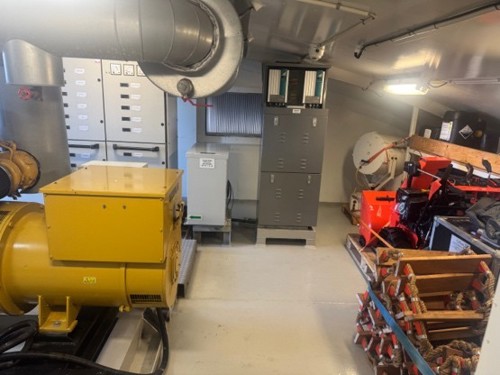
During a routine “safety round” on a vessel, a snowblower was found stored inside the emergency generator room. At first, the crew saw no issue with this setup. But a closer look revealed the following:
- The snowblower still contained flammable fuel (petrol/gasoline).
- Pilot ladders were stored right next to it.
- All of this was inside a machinery space full of ignition sources.
This created an unnecessary fire and explosion risk, as well as blocking access around critical equipment. The snowblower was moved.
What could have been done better?
- Always store petrol/gasoline powered equipment, fuel, and other flammable substances, in a safe, designated area.
- Keep the emergency generator room clear for emergencies - no loose equipment, no fuel, no excuses.
- When storing potentially flammable stores or equipment, ask this question: “If this catches fire, what else goes with it?”
- Treat all machinery spaces as high-risk zones, not general storage - don’t place fuel, tools, or random gear in machinery spaces.
Lessons
- A small oversight could become a major incident – stay alert, stop and think.
- Just because something “fits” somewhere doesn’t mean it “belongs” there.
- If something “feels wrong”, speak up, challenge the habit before it becomes the norm.
Actions to consider
- Review onboard storage and house-keeping procedures and practice – an untidy workplace is an inherently unsafe workplace.
- Double-check all machinery spaces during inspections.
IMCA Safety Flashes summarise key safety matters and incidents, allowing lessons to be more easily learnt for the benefit of the entire offshore industry.
The effectiveness of the IMCA Safety Flash system depends on the industry sharing information and so avoiding repeat incidents. Incidents are classified according to IOGP's Life Saving Rules.
All information is anonymised or sanitised, as appropriate, and warnings for graphic content included where possible.
IMCA makes every effort to ensure both the accuracy and reliability of the information shared, but is not be liable for any guidance and/or recommendation and/or statement herein contained.
The information contained in this document does not fulfil or replace any individual's or Member's legal, regulatory or other duties or obligations in respect of their operations. Individuals and Members remain solely responsible for the safe, lawful and proper conduct of their operations.
Share your safety incidents with IMCA online. Sign-up to receive Safety Flashes straight to your email.