Chemical burn injury during maintenance
- Safety Flash
- Published on 22 October 2026
- Generated on 10 November 2026
- IMCA SF 18/26
- 2 minute read
A crew member sustained second-degree chemical burns while cleaning fuel oil strainers.
What happened?
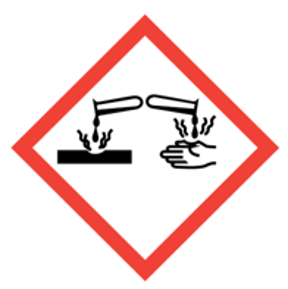
A concentrated fuel biocide—intended solely as a fuel additive—was incorrectly used as a soaking and rinsing cleaning agent. The chemical mixture soaked through the worker's standard cotton coveralls. Unaware of the chemical's corrosive nature, the worker did not wash the skin immediately and wore the contaminated coveralls the following day, resulting in prolonged skin contact and severe burns requiring hospital treatment.
What went right?
- The worker reported the injury to the Master as soon as symptoms worsened.
- The Master acted swiftly to arrange immediate medical evacuation to a shore-side hospital.
What went wrong?
- A highly corrosive fuel additive was used for an unintended cleaning purpose, going against Safety Data Sheet (SDS) warnings.
- Standard cotton coveralls were worn instead of the mandated chemical-resistant PPE.
- The pre-job Toolbox Talk (TBT) failed to identify the specific hazards of the chemical being handled.
- There was a lack of supervisory oversight to verify that safe cleaning methods and correct PPE were utilized.
- The contaminated clothing was reused, demonstrating a fundamental lack of awareness regarding chemical absorption hazards.
What lessons were learnt?
- Always read and thoroughly understand the Safety Data Sheet (SDS) before using any chemical.
- If there is no Safety Data Sheet (SDS) available, don’t use that chemical!
- Don’t use any substances or chemicals for unintended purposes.
- Never use fuel additives or biocides for cleaning components or equipment.
- Conduct thorough hazard identification and risk assessment prior to any chemical-related tasks.
- Always use the specified Personal Protective Equipment (PPE) when handling chemicals.
- Ensure there is adequate supervision before hazardous tasks begin – supervisors may wish to physically check that appropriate PPE is in place.
Related Safety Flashes
-
IMCA SF 08/25
29 April 2025
-
IMCA SF 02/22
20 January 2022
-
IMCA SF 04/25
6 March 2025
-
-
IMCA SF 20/22
5 September 2022
-
IMCA Safety Flashes summarise key safety matters and incidents, allowing lessons to be more easily learnt for the benefit of the entire offshore industry.
The effectiveness of the IMCA Safety Flash system depends on the industry sharing information and so avoiding repeat incidents. Incidents are classified according to IOGP's Life Saving Rules.
All information is anonymised or sanitised, as appropriate, and warnings for graphic content included where possible.
IMCA makes every effort to ensure both the accuracy and reliability of the information shared, but is not be liable for any guidance and/or recommendation and/or statement herein contained.
The information contained in this document does not fulfil or replace any individual's or Member's legal, regulatory or other duties or obligations in respect of their operations. Individuals and Members remain solely responsible for the safe, lawful and proper conduct of their operations.
Share your safety incidents with IMCA online. Sign-up to receive Safety Flashes straight to your email.