US BSEE: Confined space entry – tank cleaning
- Safety Flash
- Published on 19 February 2024
- Generated on 25 September 2026
- IMCA SF 04/24
- 3 minute read
The US Bureau of Safety and Environmental Enforcement has published Safety Alert 477 relating to working in Confined Spaces.
In recent months, BSEE has observed a trend of safety incidents that occurred while personnel conducted tank cleaning operations in confined spaces.
Incident one: What happened? Worker required CPR
A worker was vacuuming, and the nozzle became stuck inside the tank. To free the nozzle, the worker – who was wearing a respirator with organic filters specifically used for working outside the tank – fully entered the tank, where he fell ill. Coworkers found the worker inside the tank. Cardiopulmonary Resuscitation (CPR) was administered to revive the worker.
What went wrong?
- The crew could and ought to have stopped the job;
- The company’s existing confined space entry policies were not complied with.
- Human factors: it was noted that an employee felt compelled to rush, leading to hasty and ill-informed decisions. This haste ultimately led to unauthorized and unplanned entry into the tank, further exacerbating the situation.
Actions
- Additional refresher training for confined space rescue.
- Invoking safety stand downs – stop and think!
- Installing appropriate personnel barriers.
- Ensuring management meets with supervisors to go over policies and procedures before every job.
Incident two: What happened? Worker almost passed out
A worker began to feel ill while conducting tank cleaning operations and attempted to exit the tank. While exiting, the worker nearly passed out. The worker initially appeared alert but was slow to answer questions, was sweating profusely, and then collapsed. A coworker revived the worker using CPR. The worker was flown ashore, and medical evaluation showed the worker had nonstress-induced cardiac arrythmia that may have contributed to the episode.
Actions
The BSEE recommends that operators and their contractors, where appropriate, consider:
- Ensuring all personnel understand what constitutes a confined space and confined space entry. Ensuring personnel are aware that confined spaces may be hazardous even if part of the body remains outside of the space.
- Ensuring a Job Safety Analysis (JSA) is in place and is discussed before starting work.
- Completing, if required, a confined space entry Permit to Work, which should explain the hazards and mitigations common to confined space work.
- Stopping the job and discussing/analyzing any potential safety and environmental hazards.
- Renewing approval before proceeding when deviating from the JSA and/or permit – ensuring proper Management of Change.
- Ensuring proper personal protective equipment (PPE) is worn.
- Ensuring others know of your planned activities and the duration of the planned activities prior to entering a confined space.
- Ensuring personnel inside the confined space have means to communicate with personnel outside. Regular communication can be used to detect if the personnel inside have become impaired.
- Ensuring proper ventilation prior to entering a confined space. If proper ventilation cannot be achieved, utilizing the necessary breathing apparatus.
- Developing a rescue plan for extracting personnel who are unable to exit a confined space due to injury or incapacitation. Identifying the personnel who will execute the rescue plan and the equipment that will be used.
- Ensuring employees and/or contractors have the proper training to operate in an enclosed space. Also ensuring the training is current and up to date.
- Clear marking of storage tanks regarding the substance contained and any associated hazards (flammability, reactivity, health hazards, etc.) – keep Material Safety Data Sheets (MSDS) for all substances found on location in an easily accessible area, including chemicals in the storage tanks.
Related Safety Flashes
-
IMCA SF 02/22
20 January 2022
-
IMCA SF 02/20
10 January 2020
-
-
IMCA SF 17/17
13 July 2017
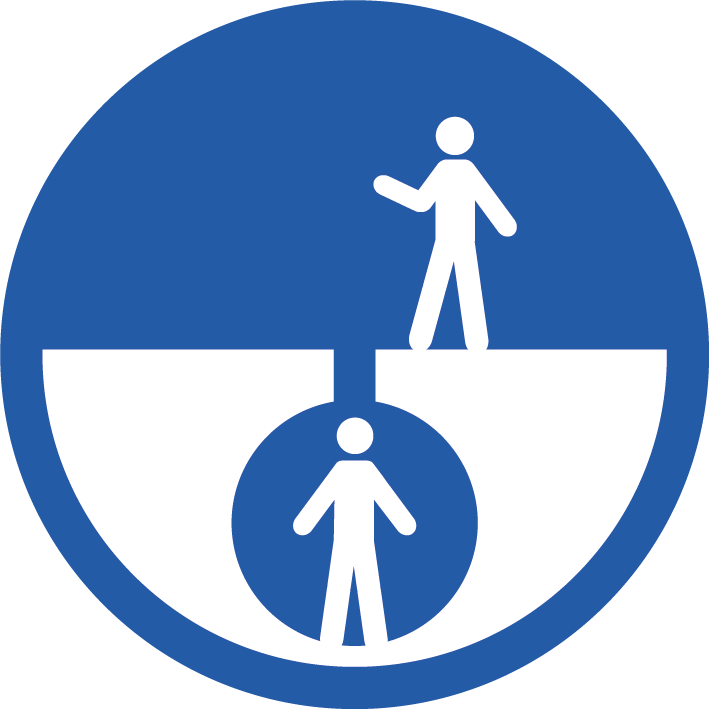
IMCA Safety Flashes summarise key safety matters and incidents, allowing lessons to be more easily learnt for the benefit of the entire offshore industry.
The effectiveness of the IMCA Safety Flash system depends on the industry sharing information and so avoiding repeat incidents. Incidents are classified according to IOGP's Life Saving Rules.
All information is anonymised or sanitised, as appropriate, and warnings for graphic content included where possible.
IMCA makes every effort to ensure both the accuracy and reliability of the information shared, but is not be liable for any guidance and/or recommendation and/or statement herein contained.
The information contained in this document does not fulfil or replace any individual's or Member's legal, regulatory or other duties or obligations in respect of their operations. Individuals and Members remain solely responsible for the safe, lawful and proper conduct of their operations.
Share your safety incidents with IMCA online. Sign-up to receive Safety Flashes straight to your email.