Diver injury using cavitation blaster
- Safety Flash
- Published on 30 July 2007
- Generated on 25 October 2026
- IMCA SF 06/07
- 2 minute read
A Member has reported that a diver sustained a high pressure water injection injury whilst using a recently developed 4500 psi cavitation water blaster.
What happened?
During marine growth removal operations the diver released the trigger on the cavitation gun to reposition his body. When the diver reapplied pressure to the trigger, the cavitation gun kicked back towards the diver, causing the retro end of the gun to come into close proximity of his wrist and forearm. The retro jet subsequently caused a high pressure (approximately 1000 psi) seawater injection injury to the diver’s forearm.
The injured diver was successfully treated with antibiotics at an onshore hospital facility and did not require surgery.
The risk assessment had not highlighted the fact that the retro jet posed a high pressure injection risk to the diver.
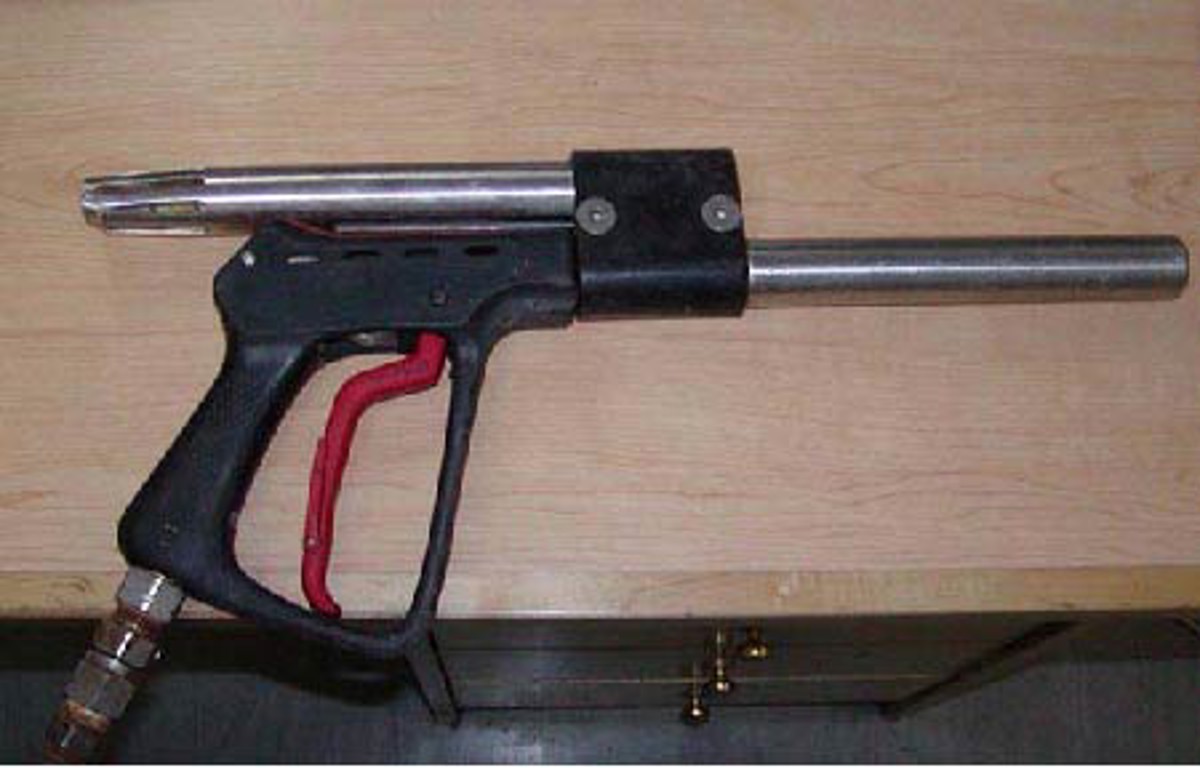
cavitation gun
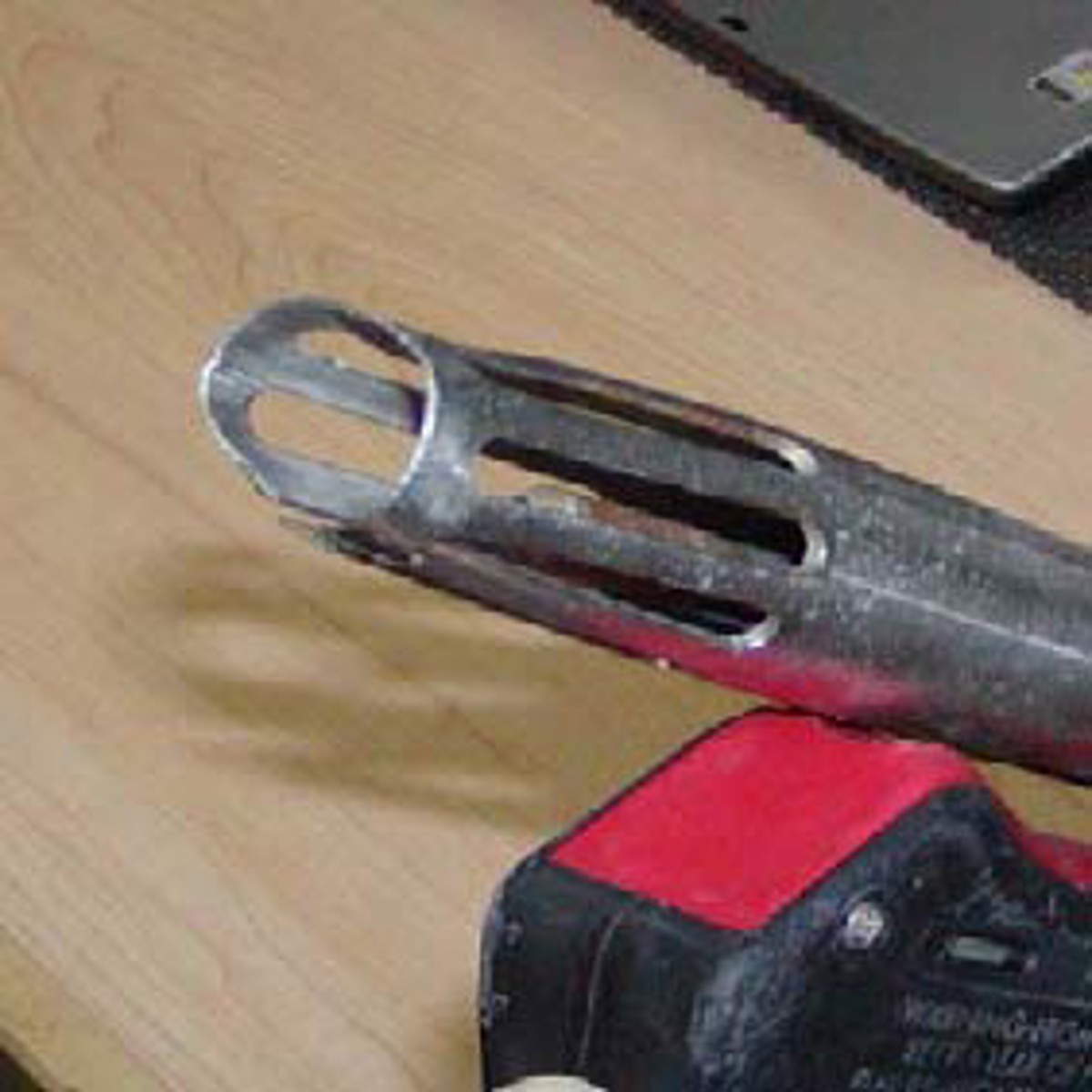
retro jet showing proximity of nozzle to end of baffle (approx. 3 cm)
The incident investigation discovered that the diver had not been wearing the 11 inch long butyl rubber gloves as recommended by the system manufacturer but it was unclear if wearing these would have prevented the injury.
Actions
The manufacturer has now modified the retro jet by moving the nozzle further back inside the rear baffle. The company involved will be carrying out a full examination of the modification before allowing the cavitation blaster back into use.
Members are reminded of the IMCA guidance document IMCA D049 – The use of high pressure jetting equipment by divers.
IMCA Safety Flashes summarise key safety matters and incidents, allowing lessons to be more easily learnt for the benefit of the entire offshore industry.
The effectiveness of the IMCA Safety Flash system depends on the industry sharing information and so avoiding repeat incidents. Incidents are classified according to IOGP's Life Saving Rules.
All information is anonymised or sanitised, as appropriate, and warnings for graphic content included where possible.
IMCA makes every effort to ensure both the accuracy and reliability of the information shared, but is not be liable for any guidance and/or recommendation and/or statement herein contained.
The information contained in this document does not fulfil or replace any individual's or Member's legal, regulatory or other duties or obligations in respect of their operations. Individuals and Members remain solely responsible for the safe, lawful and proper conduct of their operations.
Share your safety incidents with IMCA online. Sign-up to receive Safety Flashes straight to your email.