Near miss: Emergency fire pump could not be started from the bridge
- Safety Flash
- Published on 21 March 2017
- Generated on 24 October 2026
- IMCA SF 06/17
- 2 minute read
A member has reported a near miss incident in which it was discovered that an emergency fire pump could not be started from the bridge.
What happened?
The discovery was made during a fire drill exercise on a vessel.
The Master immediately informed the chief engineer.
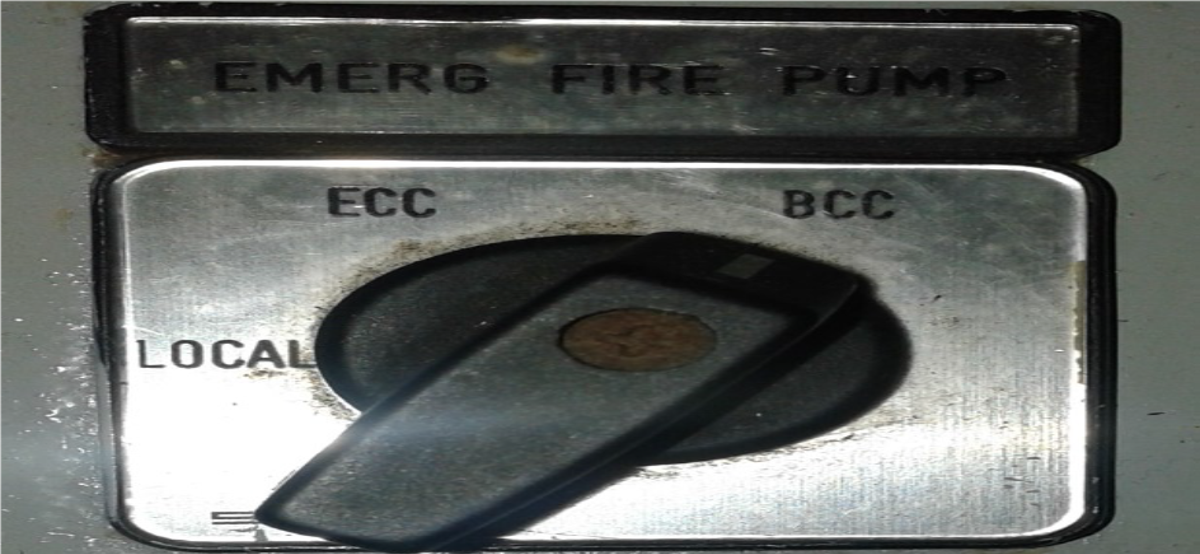
The chief engineer took action and noticed that the emergency fire pump main switch in the engine room was switched to local control. He switched it from local control to bridge remote and informed the bridge to start again; on this attempt it was started successfully and came on line.
What went wrong?
Our member’s investigation noted that:
- The vessel’s Emergency Fire pump main control switch in the engine control room was switched to “local control” instead of “remote/bridge control”. This meant that the Emergency Fire pump could not have been started from the bridge.
- Stop work authority (safety observation) was not properly used. The chief engineer confirmed that when he had joined the vessel he had found the main switch on local control but did nothing to correct it.
- Existing company procedures were not followed by the Master or the chief engineer, for monthly and weekly checks of this equipment. “Run the emergency fire pump on weekly basis and ensure that it is capable of supplying water under pressure to two charged fire hoses“. This item was marked as completed.
- There was a failure of communication: The fire drill scenario was particularly highlighted to the chief engineer, including the fact that during fire drill it would be required to start the Emergency Fire pump from the bridge. It was obviously understood but order and procedures were not followed.
Actions
- The chief engineer should ensure that the main switch in the engine room is always stationed on “Bridge Remote Control”.
- A sign or notice to this effect should be posted in the engine room to remind engineers to always leave the switch on bridge remote control.
Lessons learned
- Ask questions, be willing to exercise the stop work authority; don’t assume it’s all just business as usual.
- Drills and exercises exist for a reason – treat them seriously and guard against complacency.
- Ensure that critical equipment checklists and tests are thoroughly carried out for real, not just ticked off.
- Handovers at crew change and shift should be comprehensive and thorough, with a written record, and should cover all vital areas of concern.
Related safety flashes
-
IMCA SF 04/14
4 April 2014
IMCA Safety Flashes summarise key safety matters and incidents, allowing lessons to be more easily learnt for the benefit of the entire offshore industry.
The effectiveness of the IMCA Safety Flash system depends on the industry sharing information and so avoiding repeat incidents. Incidents are classified according to IOGP's Life Saving Rules.
All information is anonymised or sanitised, as appropriate, and warnings for graphic content included where possible.
IMCA makes every effort to ensure both the accuracy and reliability of the information shared, but is not be liable for any guidance and/or recommendation and/or statement herein contained.
The information contained in this document does not fulfil or replace any individual's or Member's legal, regulatory or other duties or obligations in respect of their operations. Individuals and Members remain solely responsible for the safe, lawful and proper conduct of their operations.
Share your safety incidents with IMCA online. Sign-up to receive Safety Flashes straight to your email.