High potential: sea water inlet pipe leakage in engine room
- Safety Flash
- Published on 19 March 2024
- Generated on 27 October 2026
- IMCA SF 06/24
- 2 minute read
Vessel crew noticed seawater ingress on a pipe very close to the inside of the hull.
What happened?
Vessel crew noticed seawater ingress on a pipe very close to the inside of the hull. The leak was noticed whilst the vessel was offshore when engine crew were conducting routine weekly maintenance of the sea chest. While working on this, they noticed sea water leakage in the adjoining tank room from a condenser pipe of the AC system, just a few centimetres length from the ship’s side just underneath the connecting valve flange. This pipe is always underwater and thus subjected to continuous hydrostatic pressure.
An alarm was raised, and situation was immediately bought to attention of all crew.
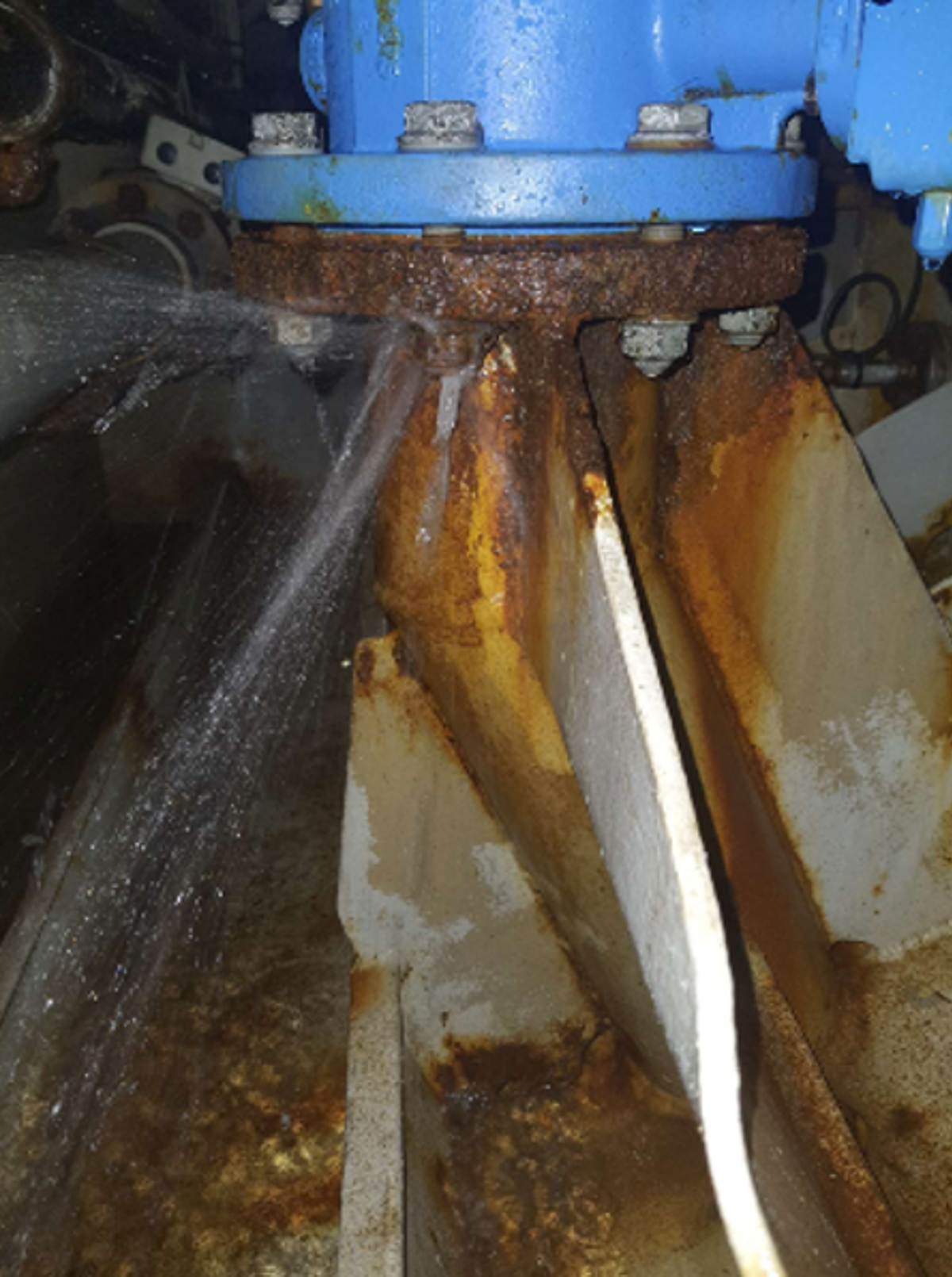
Deteriorated condition of sea suction pipe leading to leakage
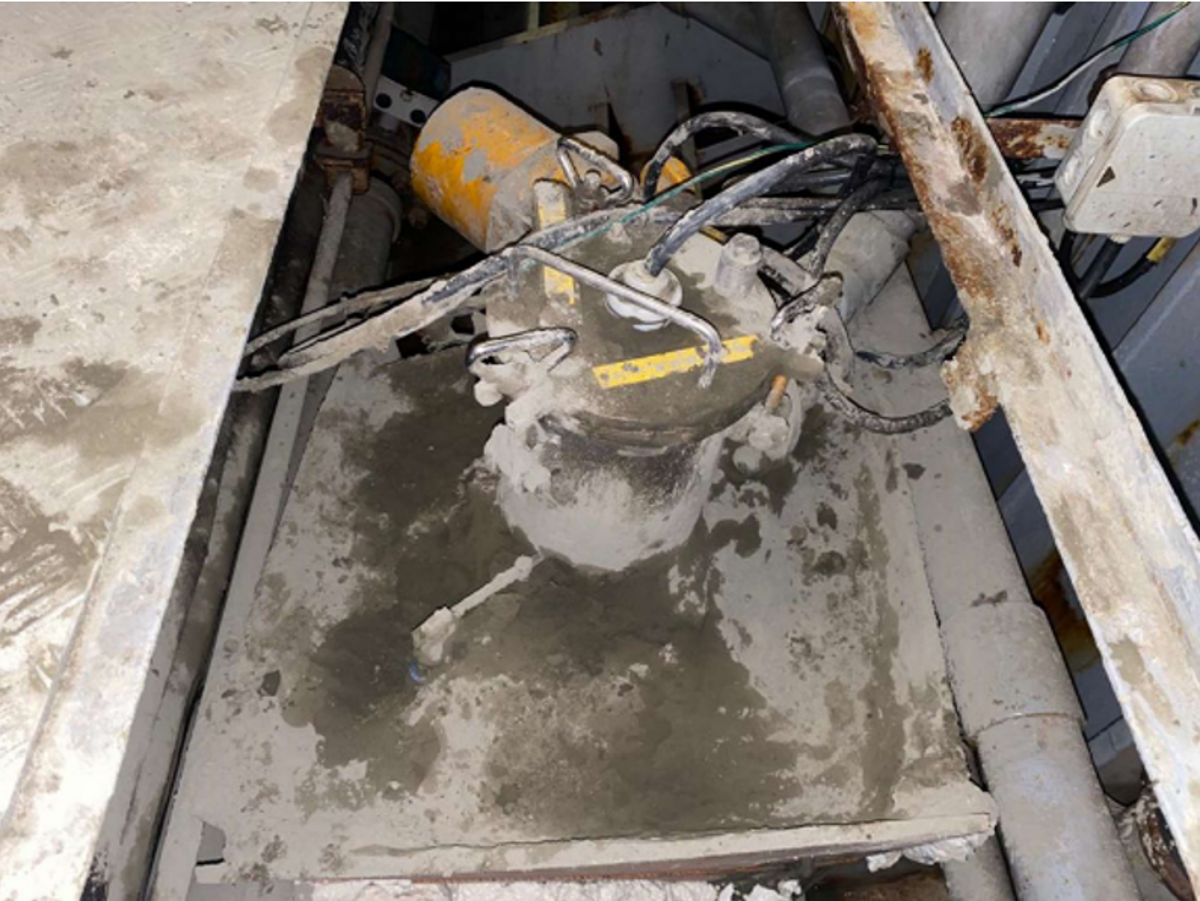
Temporary repairs with a cement box to restrict water leakage
What went wrong?
- The vessel planned maintenance system had no documented general condition checks of such ship side valves and associated piping systems.
- The affected pipes had last been inspected before the vessel´s 5 yearly renewal dry dock in 2020.
- The pipe section was heavily corroded and could have resulted into more leakage with potential catastrophic results.
- Corrective actions
- Immediately a cement box was constructed around the pipe/valve, to contain the leakage.
- The vessel went subsequently into emergency dry dock for permanent repairs.
Lessons
- Identify all such seawater ship-side valves and associated piping and ensure that a general condition check is added to the vessel´s planned maintenance system and conducted on a regular basis.
- Carry out a thorough inspection and condition check of such pipes before intermediate & renewal dry dockings to analyze their health and anticipated longevity, and use such opportunities for renewal works to avoid emergency dockings.
Relates Safety Flashes
-
IMCA SF 13/20
15 April 2020
-
IMCA SF 31/17
15 December 2017
-

IMCA Safety Flashes summarise key safety matters and incidents, allowing lessons to be more easily learnt for the benefit of the entire offshore industry.
The effectiveness of the IMCA Safety Flash system depends on the industry sharing information and so avoiding repeat incidents. Incidents are classified according to IOGP's Life Saving Rules.
All information is anonymised or sanitised, as appropriate, and warnings for graphic content included where possible.
IMCA makes every effort to ensure both the accuracy and reliability of the information shared, but is not be liable for any guidance and/or recommendation and/or statement herein contained.
The information contained in this document does not fulfil or replace any individual's or Member's legal, regulatory or other duties or obligations in respect of their operations. Individuals and Members remain solely responsible for the safe, lawful and proper conduct of their operations.
Share your safety incidents with IMCA online. Sign-up to receive Safety Flashes straight to your email.