MAIB: Lithium-ion battery fire
- Safety Flash
- Published on 12 June 2023
- Generated on 19 October 2026
- IMCA SF 14/23
- 2 minute read
Water got into lithium-ion batteries in equipment for use subsea, causing an explosion.
What happened?
Inspection of the equipment after a successful deployment identified a potential leak from one of the metal tubes. However, other work priorities meant that the technician in charge of the equipment decided to leave it in its storage area and delay the removal and further examination of the battery.
Seven hours later, the vessel’s bridge team heard a loud bang followed by a fire detection system warning for the deepwater equipment storage area. The attending crew members discovered a scorched and damaged metal battery tube lying on the deck.
There were no injuries.
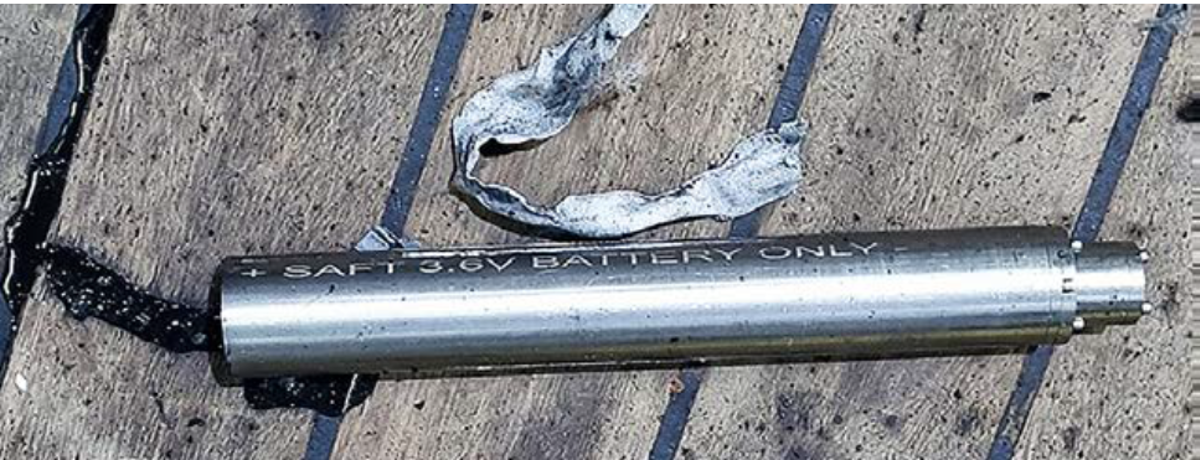
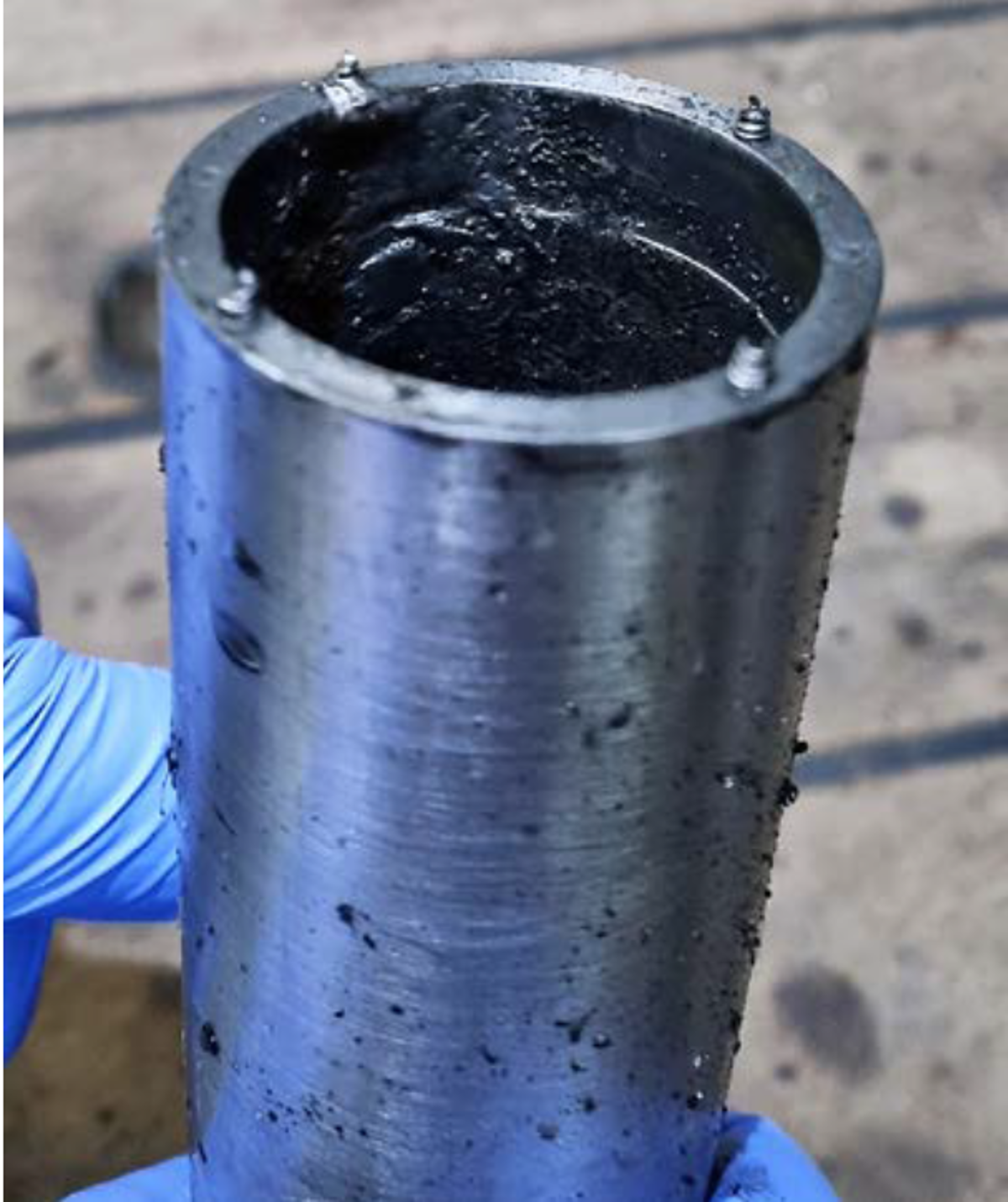
Examination of the battery tube indicated that sea water had leaked into the battery compartment and contaminated the Li-ion battery, which caused pressurised gases to build up and self-combust and resulted in a brief explosion.
The remaining battery tubes were removed to a secure storage area for further checks.
Actions
- Lithium-ion batteries are widely used in IMCA members’ operations, and they are potentially very hazardous. A 1kg Li-ion battery can store the same amount of energy as a 6kg NiMH (Nickel metal hydride) or lead acid battery.
- Lithium-ion battery failures do occur; fires in Lithium-ion batteries can be difficult to extinguish.
- Lithium reacts intensely with water, which can corrode or damage the internal battery safety devices and cause it to overheat, ignite, rupture or leak. Some of the chemicals produced by burning Lithium-ion batteries can be very dangerous.
- A Li-ion battery that is found to be damaged or affected by water should not be used or charged. Remove the battery to a secure place where it can be monitored and potential spontaneous combustion can occur safely. In the event of a fire, use an appropriate fire extinguisher to put it out.
Related safety flashes
-
IMCA SF 09/22
8 April 2022
-
IMCA SF 25/19
28 October 2019
-
-
IMCA SF 17/14
31 October 2014
IMCA Safety Flashes summarise key safety matters and incidents, allowing lessons to be more easily learnt for the benefit of the entire offshore industry.
The effectiveness of the IMCA Safety Flash system depends on the industry sharing information and so avoiding repeat incidents. Incidents are classified according to IOGP's Life Saving Rules.
All information is anonymised or sanitised, as appropriate, and warnings for graphic content included where possible.
IMCA makes every effort to ensure both the accuracy and reliability of the information shared, but is not be liable for any guidance and/or recommendation and/or statement herein contained.
The information contained in this document does not fulfil or replace any individual's or Member's legal, regulatory or other duties or obligations in respect of their operations. Individuals and Members remain solely responsible for the safe, lawful and proper conduct of their operations.
Share your safety incidents with IMCA online. Sign-up to receive Safety Flashes straight to your email.