Injury after fall from vertical ladder
- Safety Flash
- Published on 27 October 2025
- Generated on 22 March 2026
- IMCA SF 19/25
- 2 minute read
Two crew members were performing routine engine room fire watch and thruster space rounds checking oil pressure and temperature checks, when one of them was injured falling off a vertical ladder.
What happened?
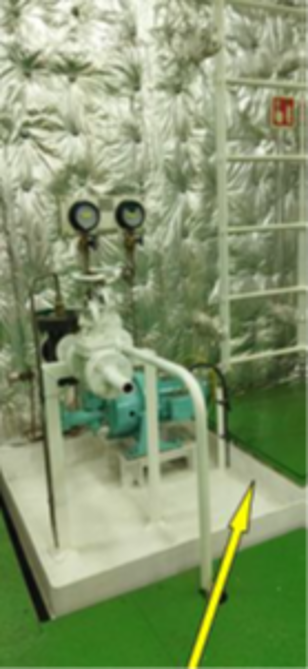
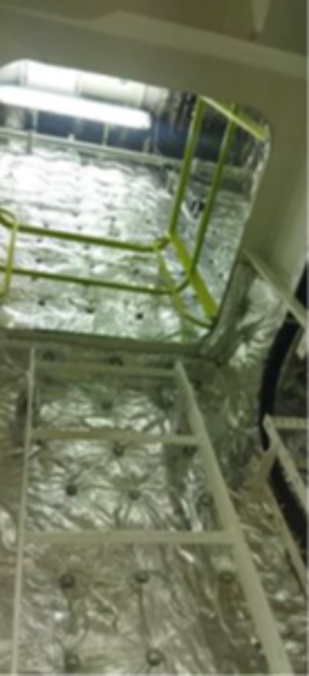
The incident happened when they were climbing up the 3m high ladder; one of them was holding a fire patrol device in one hand. That crew member lost grip on the handrail at the top of the ladder, fell and hit their head on the edge of a steel bund on the deck, sustaining a minor cut to the right eyebrow. #
 |
 |
What went wrong?
- The crew member was climbing the ladder whilst trying to carry something in their hand.
- The ladder did not extend far enough to the next level up to provide safe access.
- There was no anti-slip grit applied on the rungs of ladder.
What lessons can be learned?
- The design of the vertical ladder and its location/position made it easy for the crew member to be unsafe
- It was an inadequate and unsuitable design.
- A ladder extension could have been provided.
- Anti-slip paint could have been used on the rungs.
- Some form of bag or carrying device could have been provided for the “fire patrolling device”.
- The task was seen “routine” and there was an unchallenged acceptance of the method of carrying it out
- Trying to climb a ladder whilst carrying something in their hand. There was little awareness of the potential risks involved in this task.
- Opportunities to stop and consider the risks of the job – discussing a JSA, holding a toolbox talk before starting work – could have been taken.
Related Safety Flashes
-
IMCA SF 02/24
22 January 2024
-
-
IMCA SF 20/23
15 August 2023
-

IMCA Safety Flashes summarise key safety matters and incidents, allowing lessons to be more easily learnt for the benefit of the entire offshore industry.
The effectiveness of the IMCA Safety Flash system depends on the industry sharing information and so avoiding repeat incidents. Incidents are classified according to IOGP's Life Saving Rules.
All information is anonymised or sanitised, as appropriate, and warnings for graphic content included where possible.
IMCA makes every effort to ensure both the accuracy and reliability of the information shared, but is not be liable for any guidance and/or recommendation and/or statement herein contained.
The information contained in this document does not fulfil or replace any individual's or Member's legal, regulatory or other duties or obligations in respect of their operations. Individuals and Members remain solely responsible for the safe, lawful and proper conduct of their operations.
Share your safety incidents with IMCA online. Sign-up to receive Safety Flashes straight to your email.