Personal injury – burns from hot engine oil to body and face
- Safety Flash
- Published on 5 September 2022
- Generated on 14 October 2026
- IMCA SF 20/22
- 2 minute read
CHIRP Maritime, an industry charity facilitating confidential incident reporting from seafarers, has published its Annual Digest 2021.
Annual Digest 2021 includes a number of events and incidents of interest to IMCA members. CHIRP = Confidential Human Factors Incident Reporting Programme. The aim of CHIRP Maritime is to enhance maritime safety worldwide, by providing a totally independent confidential (not anonymous) reporting system for all individuals employed in or associated in the maritime industries. This incident is one of them.
What happened?
In a vessel alongside, engineers started the removing the cover of the main engine fuel oil filter. Hot fuel sprayed onto the body and face of one of the engineers. He received immediate medical attention and was then hospitalized locally for a week and then repatriated. According to the final medical report issued two weeks later, the engineer was recovering well.
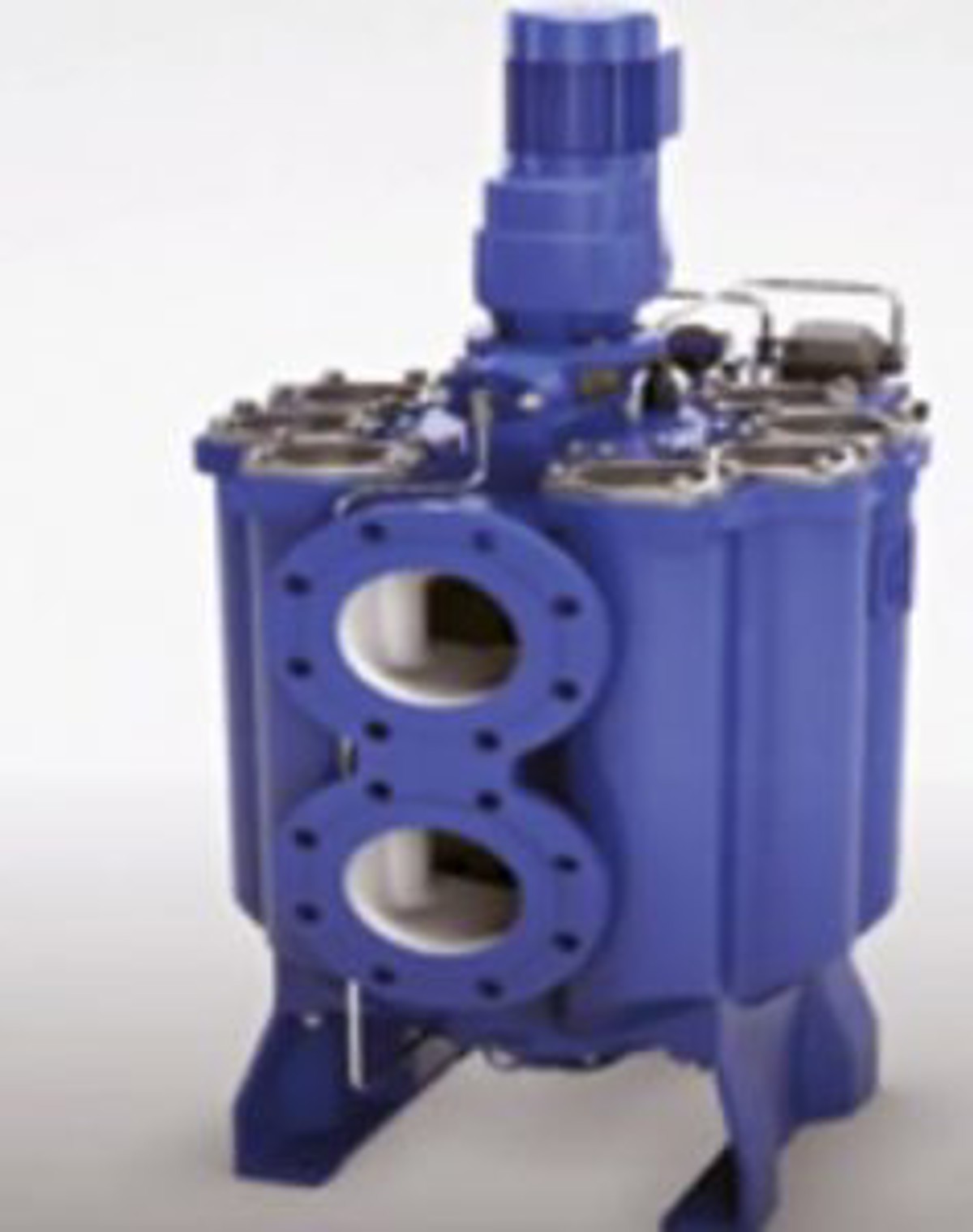
A Typical modern fuel oil back-flush filter
What went right?
- A toolbox meeting was held before the work was started, and both the supervisor and the injured junior engineer had undertaken the same task previously.
- A review of the work/rest hours revealed that the injured crew member was well rested and his working hours were within company and MLC requirements.
- A Permit to Work had been issued and all involved were wearing the correct PPE.
What went wrong?
- The risk assessment was inadequate: it had been issued but it had not been forwarded to the company for review and endorsement, and did not address all of the potential hazards.
- There was inadequate implementation of the Company’s basic safety procedures.
- The filters were not isolated properly from the compressed air pipe and the isolation valves were not labelled as closed as required by the relevant work permit.
- The filters were not checked for being under pressure and draining of the filter was not carried out before opening the cover.
- The maker’s safety instructions were not followed.
Lessons learned
- Follow the safety rules through – these rules exist for your protection.
- Ensure risk assessment is thorough, effective and diligently carried out.
- Follow your company procedures, ensure that there is appropriate supervision to ensure this is done.
- Ensure that work instructions and procedures are strictly followed.
- Ensure everyone involved is fully and properly briefed on the job in hand.
- Follow the instructions provided by the manufacturer – they exist for a reason.
Related Safety Flashes
-
IMCA SF 09/21
30 March 2021
-
IMCA SF 27/17
25 October 2017
-
IMCA Safety Flashes summarise key safety matters and incidents, allowing lessons to be more easily learnt for the benefit of the entire offshore industry.
The effectiveness of the IMCA Safety Flash system depends on the industry sharing information and so avoiding repeat incidents. Incidents are classified according to IOGP's Life Saving Rules.
All information is anonymised or sanitised, as appropriate, and warnings for graphic content included where possible.
IMCA makes every effort to ensure both the accuracy and reliability of the information shared, but is not be liable for any guidance and/or recommendation and/or statement herein contained.
The information contained in this document does not fulfil or replace any individual's or Member's legal, regulatory or other duties or obligations in respect of their operations. Individuals and Members remain solely responsible for the safe, lawful and proper conduct of their operations.
Share your safety incidents with IMCA online. Sign-up to receive Safety Flashes straight to your email.