Fire hazard: missing splash tapes on fuel hose connections
- Safety Flash
- Published on 4 December 2025
- Generated on 16 October 2026
- IMCA SF 22/25
- 2 minute read
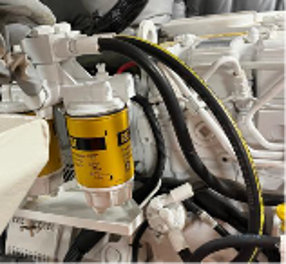
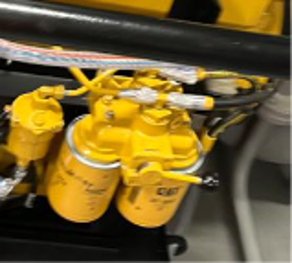
It was observed that several engine fuel hose connections were not fitted with splash tapes.
What happened?
During inspection of a several newly delivered vessels, it was observed that several engine fuel hose connections were not fitted with splash tapes. Similar issues had also been reported on older vessels elsewhere; splash tapes were either missing or removed during maintenance and not subsequently reinstalled.
These omissions pose a significant fire hazard in case of fuel seepage or leakage.
Why is this happening?
- Installation of splash tapes has been overlooked during commissioning and delivery of new vessels.
- On older vessels, crew sometimes remove splash tapes during maintenance and then for whatever reason, the splash tapes are not reinstalled.
- Insufficient verification and follow-up checks in maintenance and handover routines.
 |
 |
What can we learn?
- Develop a deeper understanding and awareness of the importance of splash tapes in fire prevention. Splash tapes are critical and essential. They prevent fuel spray or mist from escaping and reaching hot surfaces, reducing fire risk.
- Because it’s new doesn’t mean it’s safe: check carefully with new-builds that key safety details are in place – assume nothing. Thorough site acceptance inspection and testing is important.
- Restore everything the way it was after maintenance: splash tapes, covers, lids, bolts, anything and everything. If necessary, develop and use a check list to ensure this is done.
Related Safety Flashes
-
IMCA SF 04/19
12 March 2019
IMCA Safety Flashes summarise key safety matters and incidents, allowing lessons to be more easily learnt for the benefit of the entire offshore industry.
The effectiveness of the IMCA Safety Flash system depends on the industry sharing information and so avoiding repeat incidents. Incidents are classified according to IOGP's Life Saving Rules.
All information is anonymised or sanitised, as appropriate, and warnings for graphic content included where possible.
IMCA makes every effort to ensure both the accuracy and reliability of the information shared, but is not be liable for any guidance and/or recommendation and/or statement herein contained.
The information contained in this document does not fulfil or replace any individual's or Member's legal, regulatory or other duties or obligations in respect of their operations. Individuals and Members remain solely responsible for the safe, lawful and proper conduct of their operations.
Share your safety incidents with IMCA online. Sign-up to receive Safety Flashes straight to your email.