Machinery damaged through improper maintenance technique
- Safety Flash
- Published on 28 May 2026
- Generated on 10 October 2026
- IMCA SF 10/26
- 2 minute read
During an audit on an offshore vessel it was observed that the fuel oil purifier failed to self-discharge.
What happened?
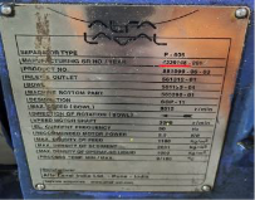
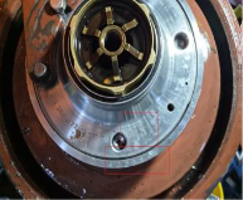
Further investigation revealed that purifier bowl components had been swapped with parts from the lube oil purifier, with different serial numbers. After reinstalling genuine parts, the purifier showed excessive current flow and high vibration. Inspection confirmed mechanical damage to the bowl caused by improper dismantling.
 |
 |
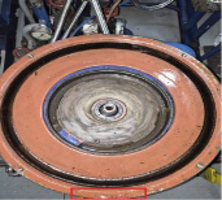 |
| Purifier nameplate, serial number ending ----148 | Bowl component parts, s/n ending ---147 |
Purifier body, s/n ending ---148 |
Why did it happen?
- The procedures provided by the Original Equipment Manufacturer (OEM) were not followed.
- Special tools specified by the OEM were not used, causing mechanical damage to critical parts. The purifier bowl and related components were dismantled without using special tools specified in the OEM manual.
- Compatibility of parts was not verified before installation. Parts were interchanged that should not have been interchanged. Parts with serial number linkage (bowl, sliding piston, cover etc.) were not freely interchangeable;
- Existing planned maintenance intervals were not followed.
- Maintenance documentation and traceability was found to be inadequate.
What do we learn?
- Always follow the OEM manual and use specified tools for disassembly, assembly and maintenance.
- Carefully and thoroughly verify that you have the correct, compatible and genuine parts – in this case, using parts from another purifier may have led to excessive vibration/high current which may have damaged the whole machine.
- Communication and documentation: Keep detailed records with supporting documents of repairs and overhauls, with, where applicable, specific running hours and the condition of the unit.
- Use Stop Work Authority!
Related Safety Flashes
-
IMCA SF 29/22
21 December 2022
-
-
IMCA SF 13/15
21 September 2015
-
IMCA SF 27/23
27 November 2023
IMCA Safety Flashes summarise key safety matters and incidents, allowing lessons to be more easily learnt for the benefit of the entire offshore industry.
The effectiveness of the IMCA Safety Flash system depends on the industry sharing information and so avoiding repeat incidents. Incidents are classified according to IOGP's Life Saving Rules.
All information is anonymised or sanitised, as appropriate, and warnings for graphic content included where possible.
IMCA makes every effort to ensure both the accuracy and reliability of the information shared, but is not be liable for any guidance and/or recommendation and/or statement herein contained.
The information contained in this document does not fulfil or replace any individual's or Member's legal, regulatory or other duties or obligations in respect of their operations. Individuals and Members remain solely responsible for the safe, lawful and proper conduct of their operations.
Share your safety incidents with IMCA online. Sign-up to receive Safety Flashes straight to your email.