Listing of crew boat due to water ingress
- Safety Flash
- Published on 4 September 2019
- Generated on 27 October 2026
- IMCA SF 21/19
- 2 minute read
During her first voyage after dry-docking, a crew boat started to list.
What happened?
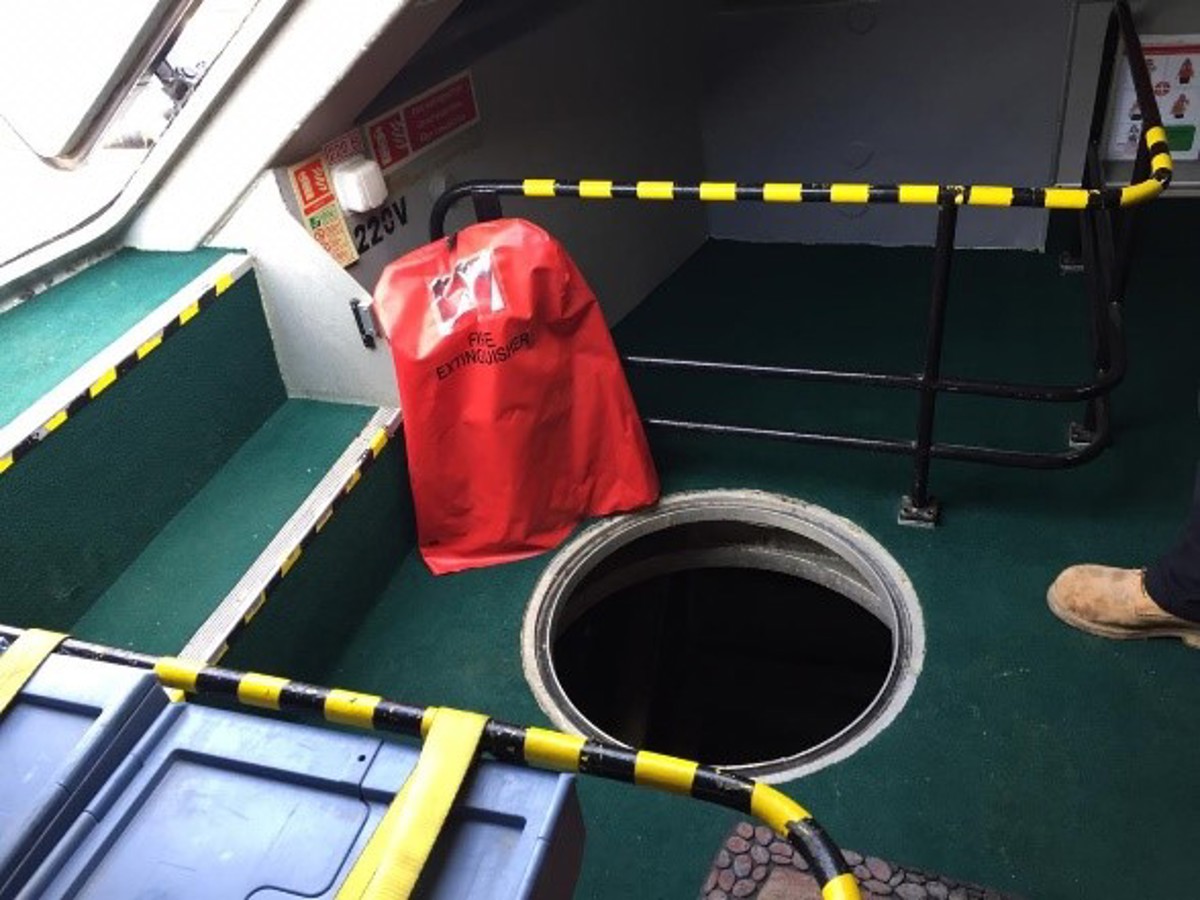
A bilge alarm signal was received on the bridge, informing that there was water inside starboard side void space #1. Following this, starboard side void space #1 was checked and it was confirmed that there was water present.
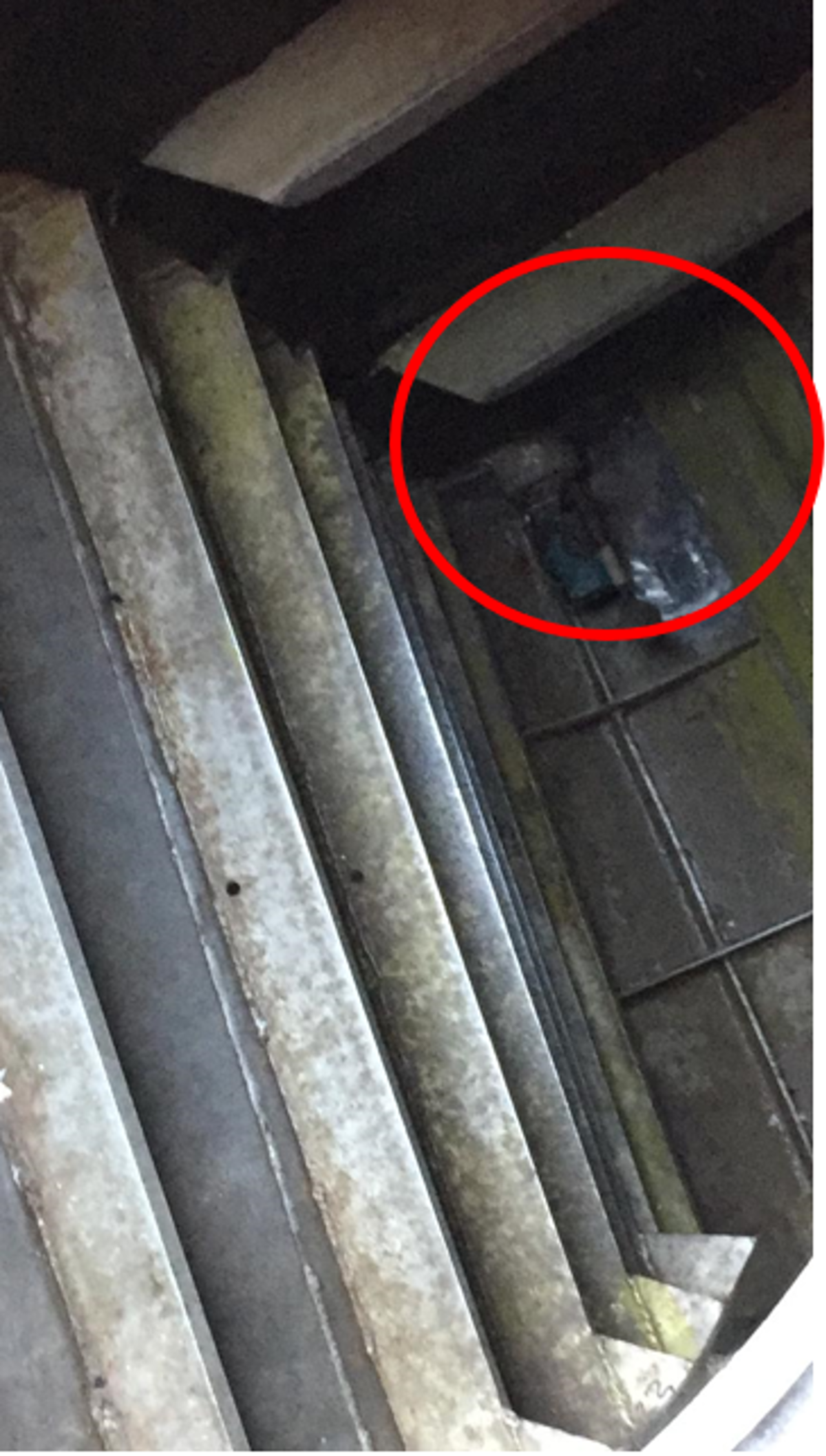
At the same time the Chief Engineer inspected the void space and observed that the main discharge non-return valve was not installed improperly, and its gasket was not properly sealed. The other drain valve, placed between the forepeak and void space #1, was not installed at all and found lying nearby. The automatic bilge pump, which should have started immediately after the alarm was raised, had not started.
The portable fire pump was used to pump the space clear. At this point the vessel was listing heavily owing to some 2 cubic metres of water in the void space.
What went wrong?
- The crew boat had been in dry dock before this voyage; important matters were not noticed before the vessel was launched:
- the non-return valve gasket in starboard side void space #1 was damaged
- the valve in the bulkhead between starboard forepeak and starboard side void space #1, was not installed.
- the non-return valve gasket in starboard side void space #1 was damaged
- The bilge alarm signal was only a flashing light and not an audible sound alarm.
- The automatic bilge pump, which should have started immediately after the alarm was raised, had not started because the control button on the panel was in the manual position, which prevented the system from starting.
What were the causes?
There was no post-dry dock maintenance inspection or dedicated testing to ensure that everything done in dry dock was done properly and completely.
What actions were taken? What lessons were learned?
- Developed a pre-sail checklist of all and any critical equipment or systems (bilge systems, fire detection systems, alarms, navigation systems, propulsion and steering systems) to be checked as being in working condition before departure.
- Ensure equipment maintained, repaired or installed during drydock is physically checked and verified as working correctly.
Featured Safety Flashes
-
IMCA SF 24/17
5 October 2017
-
-
IMCA SF 19/15
23 November 2015
-
IMCA SF 16/14
3 October 2014
-
IMCA SF 05/10
28 July 2010
IMCA Safety Flashes summarise key safety matters and incidents, allowing lessons to be more easily learnt for the benefit of the entire offshore industry.
The effectiveness of the IMCA Safety Flash system depends on the industry sharing information and so avoiding repeat incidents. Incidents are classified according to IOGP's Life Saving Rules.
All information is anonymised or sanitised, as appropriate, and warnings for graphic content included where possible.
IMCA makes every effort to ensure both the accuracy and reliability of the information shared, but is not be liable for any guidance and/or recommendation and/or statement herein contained.
The information contained in this document does not fulfil or replace any individual's or Member's legal, regulatory or other duties or obligations in respect of their operations. Individuals and Members remain solely responsible for the safe, lawful and proper conduct of their operations.
Share your safety incidents with IMCA online. Sign-up to receive Safety Flashes straight to your email.