Electrical shock from containerised portable office
- Safety Flash
- Published on 25 August 2020
- Generated on 19 October 2026
- IMCA SF 25/20
- 2 minute read
What happened?
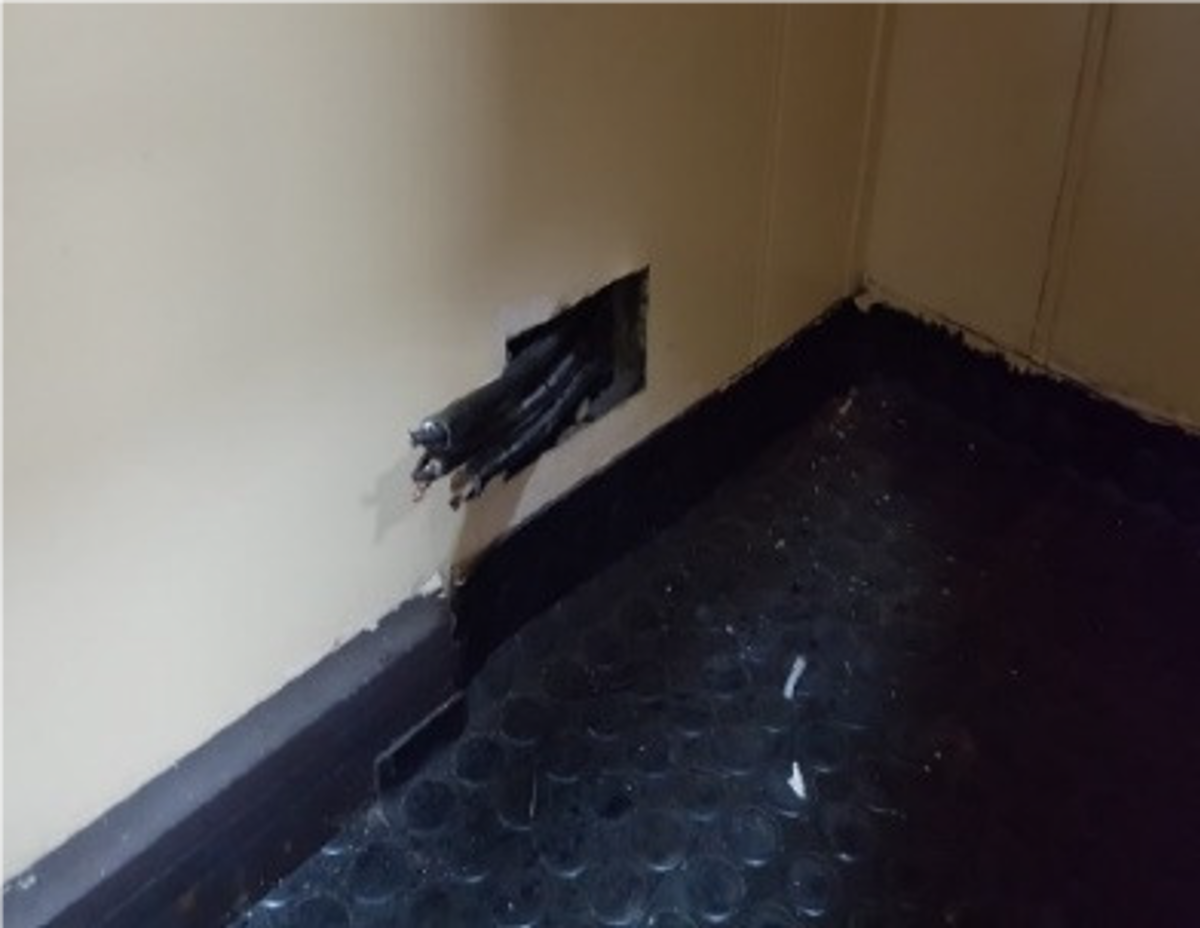
Whilst tidying a mobile office (freight) container, an employee sustained a mild electric shock by inadvertently touching an exposed live electrical cable which was obscured by several boxes below a desk.
The cable had been left in position following the removal of a piece of fixed equipment whilst the container was in storage (out of use).
What were the causes?
- Checks on the container, pre and post mobilisation, did not identify the potential risk.
- No formal verification of the condition and safety of the electrical installation in the container had been carried out prior to energising.
Lessons learned
Some of these lessons and actions may be a regulatory requirement in some locations.
- The condition and safety of any electrical equipment should be established before and after mobilisation, but particularly – as in this case – electrical equipment that is wholly within other installations such as freight containers.
- Accurate inspection records and wiring diagrams should be maintained, and defective equipment and redundant wiring removed or labelled as such.
- To ensure the safety of the installation, testing and inspection protocols should be in place coupled together with an approval process which includes the appropriate test and inspection results / records.
Actions
Our Member:
- Isolated and inspected the container electrical installation and the termination of exposed electrical cables.
- Reviewed and assessed mobile container electrical installations elsewhere in its operation.
- Developed and implemented formal work instructions for the fit out and/or modification of mobile offshore containers including the electrical installation.
Related Safety Flashes
-
IMCA SF 05/13
4 April 2013
-
IMCA SF 06/12
25 June 2012
-
IMCA SF 02/10
8 April 2010
IMCA Safety Flashes summarise key safety matters and incidents, allowing lessons to be more easily learnt for the benefit of the entire offshore industry.
The effectiveness of the IMCA Safety Flash system depends on the industry sharing information and so avoiding repeat incidents. Incidents are classified according to IOGP's Life Saving Rules.
All information is anonymised or sanitised, as appropriate, and warnings for graphic content included where possible.
IMCA makes every effort to ensure both the accuracy and reliability of the information shared, but is not be liable for any guidance and/or recommendation and/or statement herein contained.
The information contained in this document does not fulfil or replace any individual's or Member's legal, regulatory or other duties or obligations in respect of their operations. Individuals and Members remain solely responsible for the safe, lawful and proper conduct of their operations.
Share your safety incidents with IMCA online. Sign-up to receive Safety Flashes straight to your email.