Crane hydraulic hose caught on protruding grease fitting
- Safety Flash
- Published on 9 October 2020
- Generated on 21 October 2026
- IMCA SF 29/20
- 1 minute read
What happened?
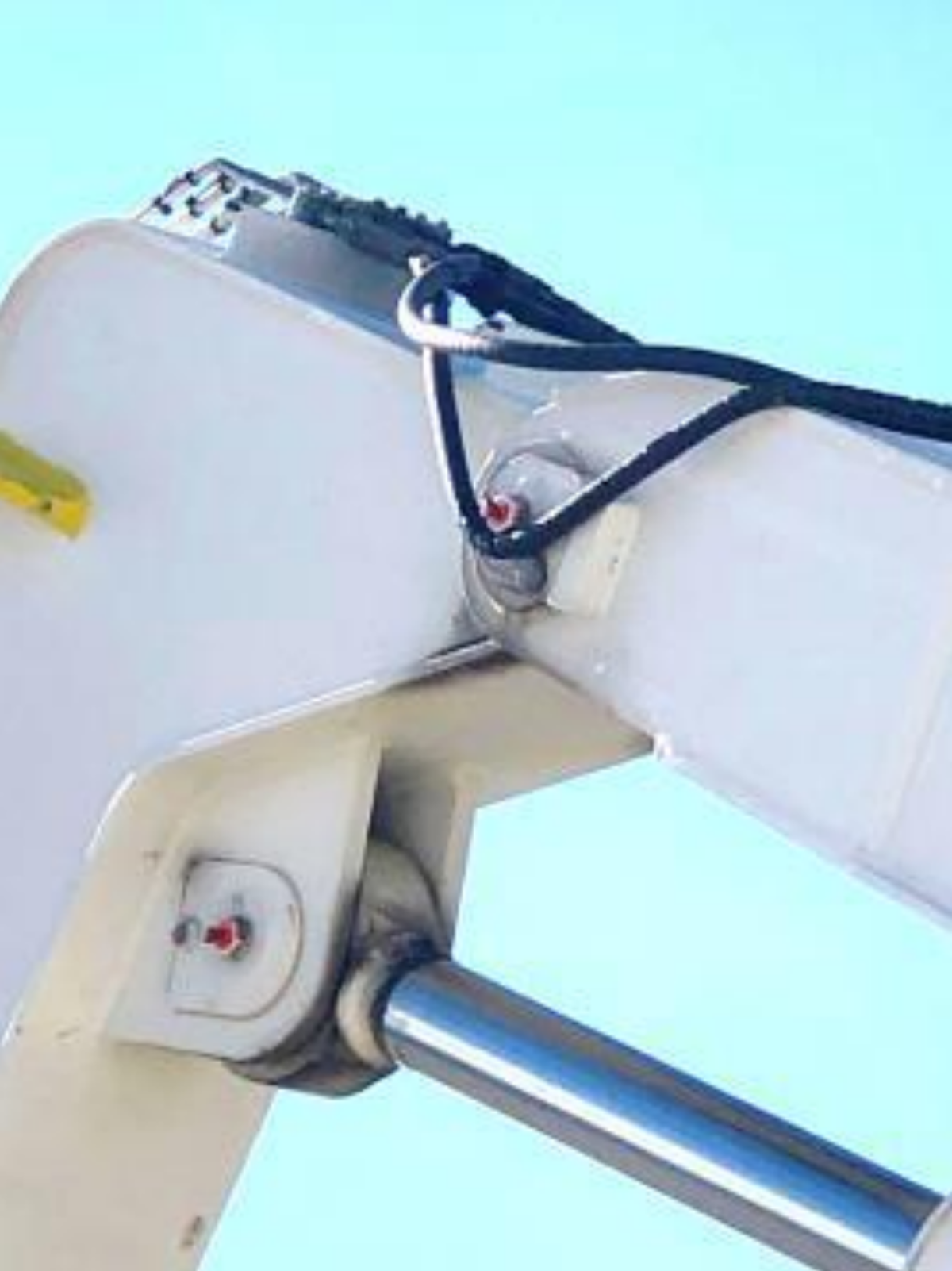
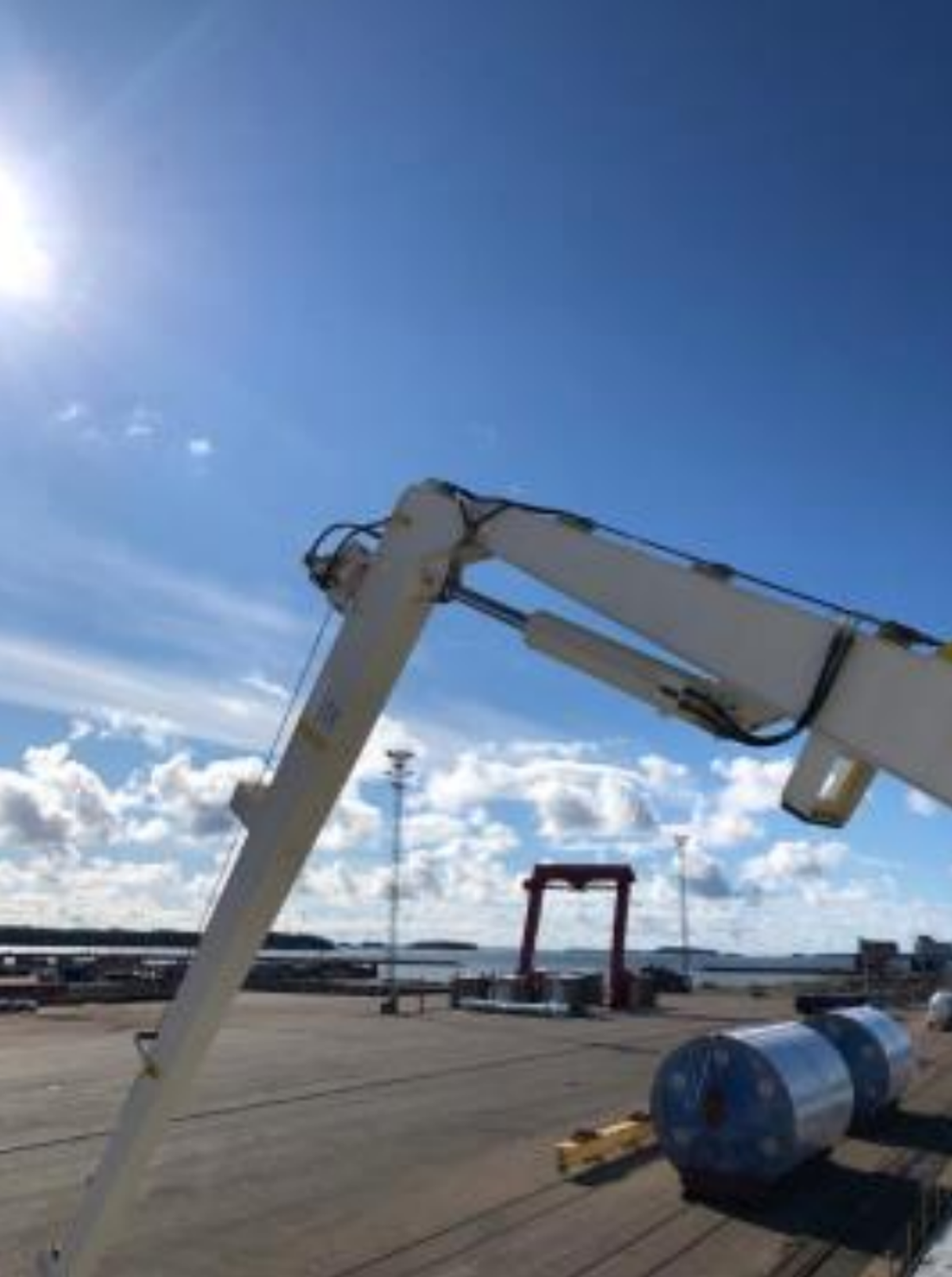
While retracting the outer jib of the boom during crane operations, one of the hydraulic hoses caught on the protruding grease fitting of the boom bearings, which could have led to a failure of the crane and hydraulic oil spill due to hose rupture.
What were the causes? What went wrong?
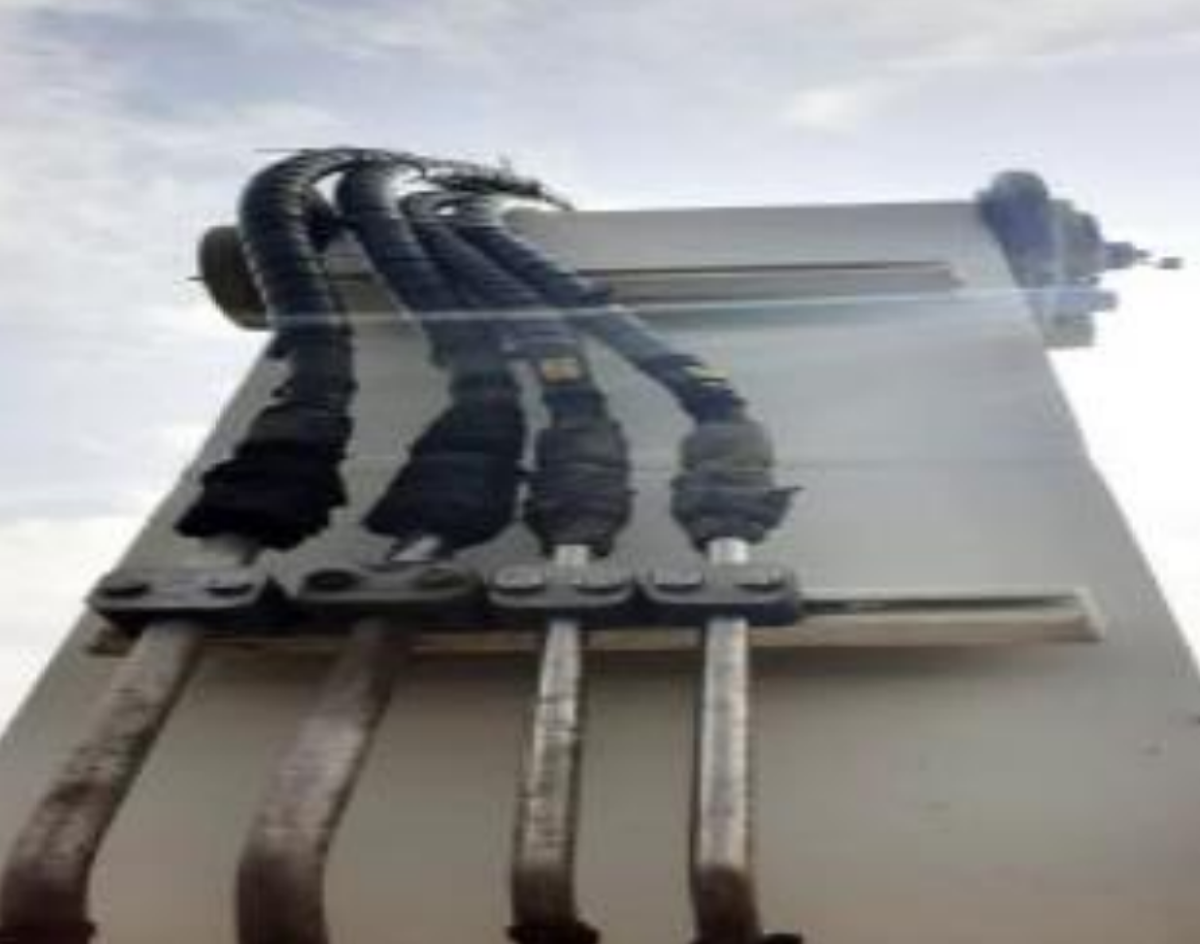
The hydraulic hose routing on the crane boom was incorrectly lined up allowing the excess of the hose to catch the grease fitting – there was insufficient pre-use inspection of the crane.
Actions taken
- Stop Work Authority was used by Master and crane operations were suspended until a fix could be arranged.
- The hose was fixed in a correct way to prevent it catching.
- Proper pre-use inspection should be conducted before each crane operation.
- Check your own cranes for the possibility of snagging or catching of this sort.
Related Safety Flashes
-
IMCA SF 09/19
3 May 2019
-
-
IMCA SF 32/17
21 December 2017
-
-
IMCA SF 08/16
13 April 2016

IMCA Safety Flashes summarise key safety matters and incidents, allowing lessons to be more easily learnt for the benefit of the entire offshore industry.
The effectiveness of the IMCA Safety Flash system depends on the industry sharing information and so avoiding repeat incidents. Incidents are classified according to IOGP's Life Saving Rules.
All information is anonymised or sanitised, as appropriate, and warnings for graphic content included where possible.
IMCA makes every effort to ensure both the accuracy and reliability of the information shared, but is not be liable for any guidance and/or recommendation and/or statement herein contained.
The information contained in this document does not fulfil or replace any individual's or Member's legal, regulatory or other duties or obligations in respect of their operations. Individuals and Members remain solely responsible for the safe, lawful and proper conduct of their operations.
Share your safety incidents with IMCA online. Sign-up to receive Safety Flashes straight to your email.