Fire at sea
- Safety Flash
- Published on 1 February 2005
- Generated on 25 August 2026
- IMCA SF 02/05
- 2 minute read
IMCA has been advised of a fire on a vessel which destroyed a substantial amount of diving equipment.
The photographs demonstrate the level of heat generated in a short time frame, but are quoted as not demonstrating the real potential this incident had to have developed into a major disaster.
A 50l air cylinder was exposed to the heat and several 40 gallon oil drums were stored within metres of the scene.
It is not difficult to imagine the conflagration which may have ensued had the fire not been contained in time.
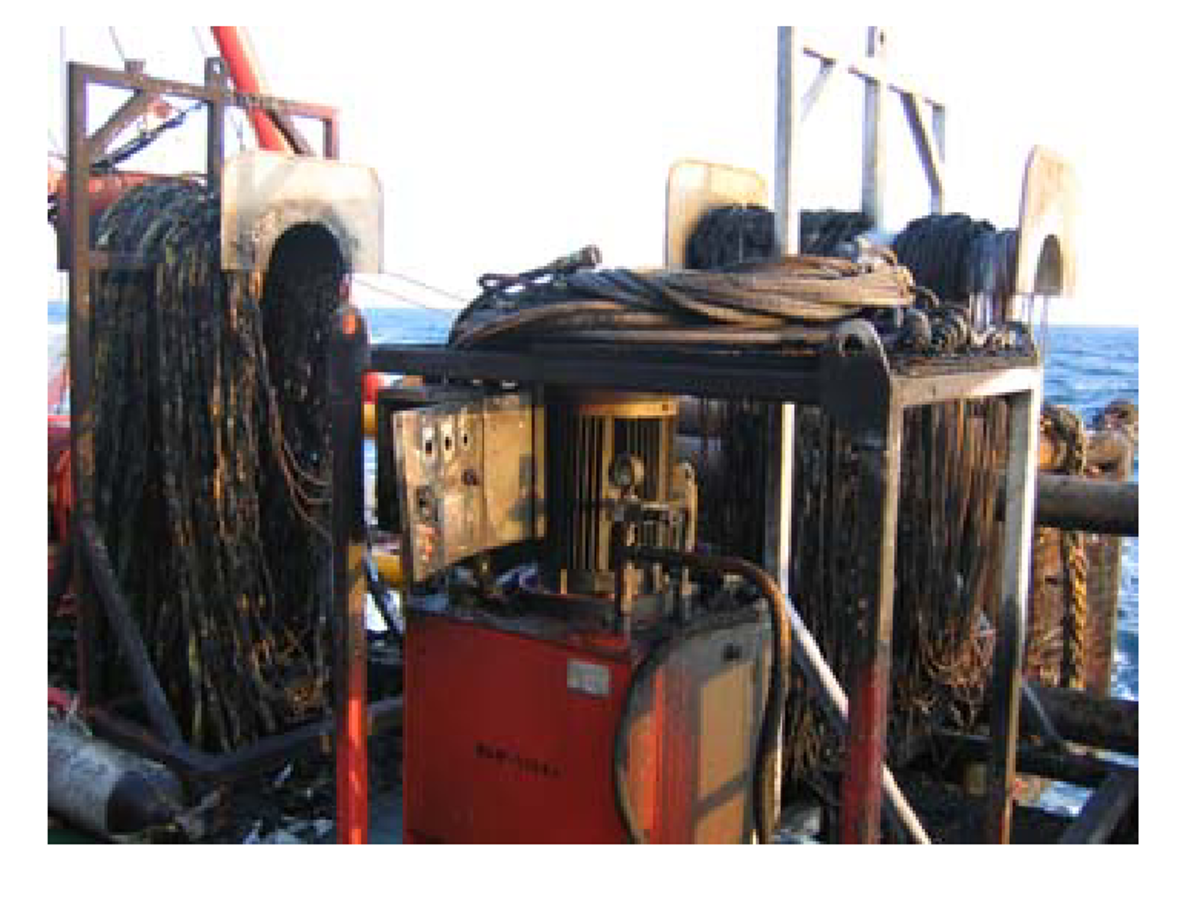
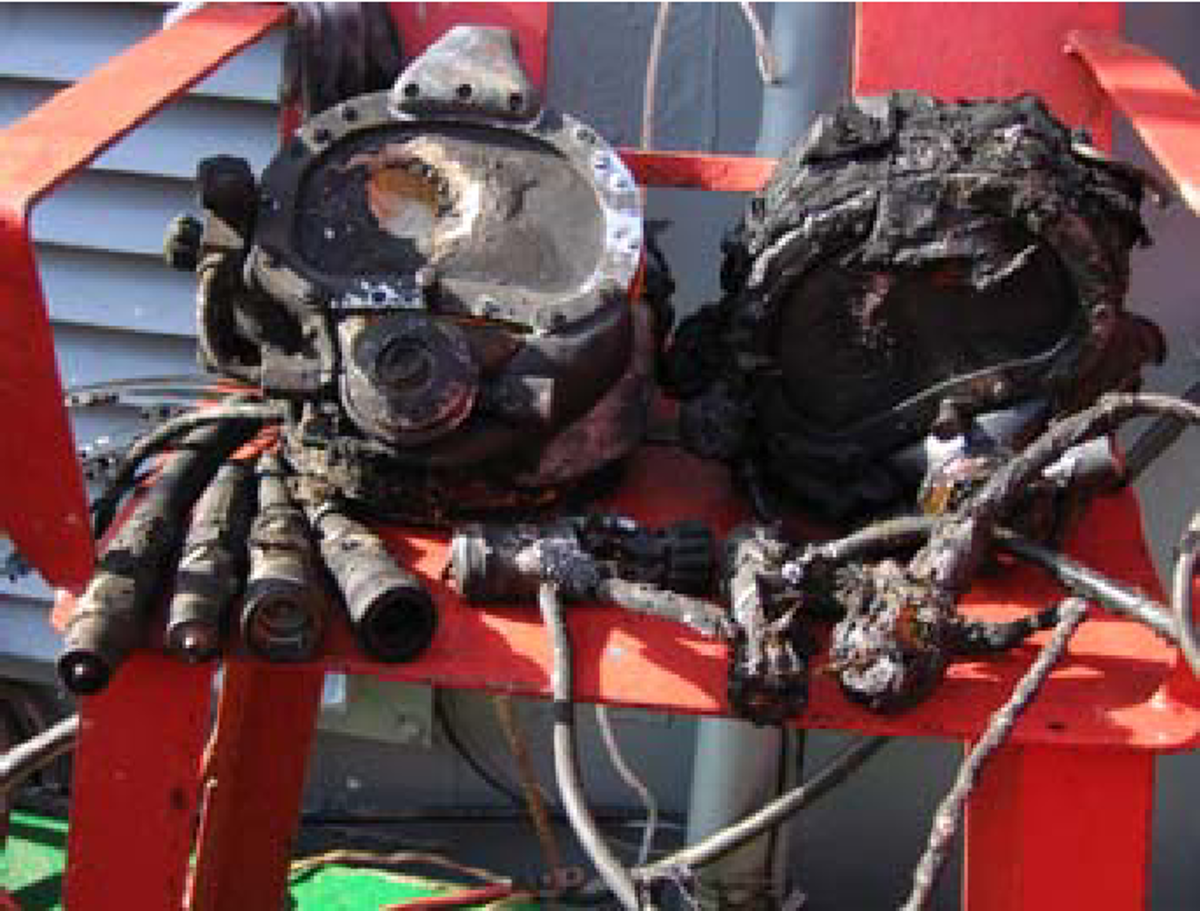
What were the causes?
According to the incident report, the fire, which began in a rubbish basket (approx 2m x 2m), was extinguished in 15 minutes. It is not certain what the ignition source was, but either a hot welding rod or a cigarette butt is suspected. Contributing factors have been noted and include an overflow of rubbish and strong prevailing winds. Congestion in the area is apparent by the evidence of the first photo above.
Lessons learnt
Recommendations by the vessel safety department are:
- The basket be modified into a burn basket.
- No overflow of the basket contents and immediate incineration of combustible waste.
- Electrodes to be disposed of in metal containers, not in the rubbish basket.
- No throwing of cigarette butts into the basket.
The company involved has noted that good housekeeping is always a prerequisite at work and even more so on a vessel. It is not simply the moment which needs to be considered, but also the follow-on effects when things go wrong. Fact-finding in this case is still ongoing but this alert has been sent with the intention of prompting vigilance and as a warning of the potential consequences if rigorous standards are allowed to slide or are not adhered to.
IMCA Safety Flashes summarise key safety matters and incidents, allowing lessons to be more easily learnt for the benefit of the entire offshore industry.
The effectiveness of the IMCA Safety Flash system depends on the industry sharing information and so avoiding repeat incidents. Incidents are classified according to IOGP's Life Saving Rules.
All information is anonymised or sanitised, as appropriate, and warnings for graphic content included where possible.
IMCA makes every effort to ensure both the accuracy and reliability of the information shared, but is not be liable for any guidance and/or recommendation and/or statement herein contained.
The information contained in this document does not fulfil or replace any individual's or Member's legal, regulatory or other duties or obligations in respect of their operations. Individuals and Members remain solely responsible for the safe, lawful and proper conduct of their operations.
Share your safety incidents with IMCA online. Sign-up to receive Safety Flashes straight to your email.