MSF: CO2 system left non-operational after servicing
- Safety Flash
- Published on 26 July 2022
- Generated on 2 October 2026
- IMCA SF 19/22
- 3 minute read
The Marine Safety Forum has published Safety Alert 22-10 relating to an important safety system being left non-operational after it was serviced.
What happened?
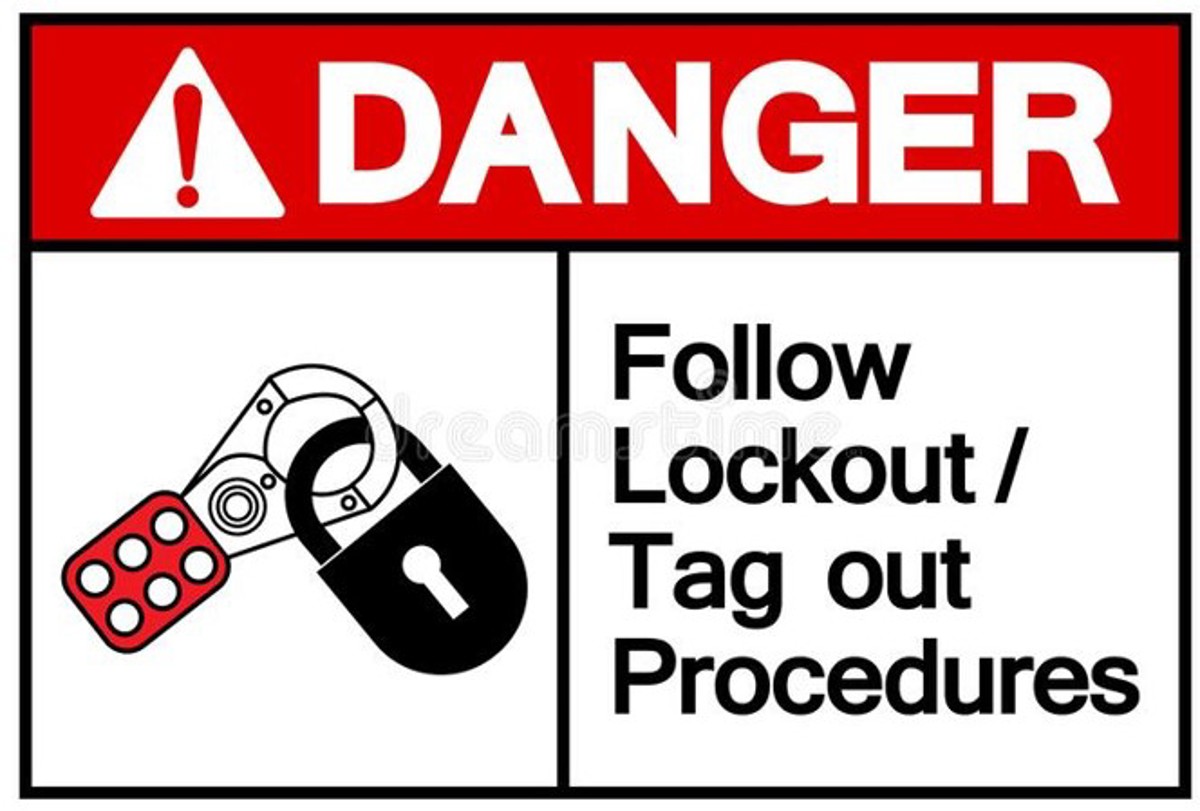
The incident happened when a vessel had recently undergone a firefighting equipment survey. All equipment was fully inspected, and any faults or discrepancies were rectified. The Fixed CO2 system flexible hoses were renewed. To allow the survey to be conducted safely, safety pins had been put in place, while the outside contractors carried out their inspection. When finished these should have been removed, to make the system ready for activation – but they weren’t.
Almost 4 weeks after the survey, after a routine inspection, it was found that the safety pins inserted during the survey had not been removed and were still in place making the system inoperable. This had a high potential to develop into a serious incident if the CO2 system had been required for extinguishing an engine room fire.
A similar safety alert had been issued by the vessel owner to their fleet in August 2021.
What went wrong?
Exact details on causes and corrective actions specific to this incident were not provided by the submitting party / vessel owner, but lessons learned, and actions below were reinforced from the previously mentioned fleet safety alert that had been issued in August 2021. This guidance was relevant to the incident described.
It should be noted that the recommendations were specific to that vessel owner; each vessel or company should review against their own processes.
Lessons learned
- Use of a Permit to Work may be considered for any maintenance work on essential fire fighting equipment – or indeed any essential safety system which if inoperable, might be potentially life-threatening.
- Careful control and records should be kept of the isolation of such equipment to help ensure that the system cannot be left in an inoperable condition.
- Never assume and rely that all will be well and ok. Assumption is the pathway to undesired events. Always check and verify.
- Ensure thorough inspection of third-party work to ensure any systems worked on are reinstated to original design intent after completion of the task.
- Work is only complete when the isolations are removed, and the permit can be closed.
The MSF notes that this is a example of Safety Flashes / Lessons Learned, issued by the company, not being acted upon, distributed, or reviewed by all crew members.
- Safety information issued by shoreside or vessel management should be fully discussed, circulated to all crew members, and acted upon, as required to maintain the safety of all onboard the vessel. This should include all circulars, Safety Flashes, lesson learned, and outside bulletins = all should be suitably posted, discussed and noted by all crews.
- Include such safety briefing, material and alerts in hand over notes to ensure your colleagues are also properly informed.
- Could a similar occurrence happen on your vessel?
Related Safety Flashes
-
IMCA SF 24/21
31 August 2021
-
IMCA SF 03/18
31 January 2018
-
-
IMCA SF 01/11
27 January 2011
IMCA Safety Flashes summarise key safety matters and incidents, allowing lessons to be more easily learnt for the benefit of the entire offshore industry.
The effectiveness of the IMCA Safety Flash system depends on the industry sharing information and so avoiding repeat incidents. Incidents are classified according to IOGP's Life Saving Rules.
All information is anonymised or sanitised, as appropriate, and warnings for graphic content included where possible.
IMCA makes every effort to ensure both the accuracy and reliability of the information shared, but is not be liable for any guidance and/or recommendation and/or statement herein contained.
The information contained in this document does not fulfil or replace any individual's or Member's legal, regulatory or other duties or obligations in respect of their operations. Individuals and Members remain solely responsible for the safe, lawful and proper conduct of their operations.
Share your safety incidents with IMCA online. Sign-up to receive Safety Flashes straight to your email.