Incorrect pressure gauge on high pressure supply line
- Safety Flash
- Published on 11 August 2017
- Generated on 23 October 2026
- IMCA SF 20/17
- 2 minute read
The International Association of Oil & Gas Producers (IOGP) has published Safety Alert 284 relating to a small steam leak from a pressure gauge on the high pressure steam supply to a turbine.
What happened?
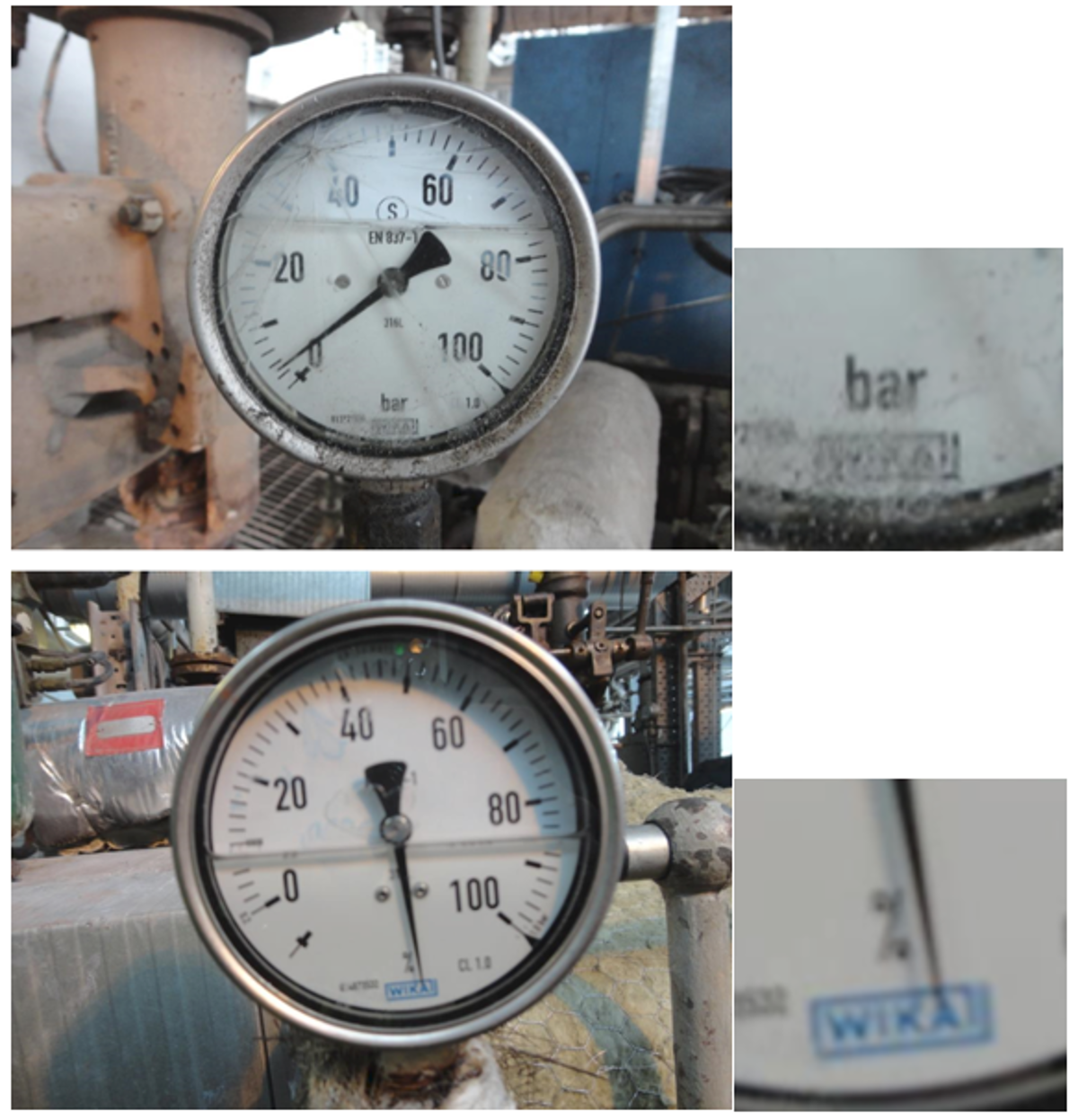
An incorrect gauge was installed. The pressure gauge was rated to one Bar(g) and the safety seal failed when it was exposed to 55 Bar(g) steam during re-commissioning. The pressure gauge in question was brand new and had been fitted during the recent maintenance period.
What went wrong? What were the causes?
From the IOGP alert:
- The pressure gauge was inspected and found to be a “0-100%” gauge, where a “0-100 Bar” pressure gauge should have been installed.
- The 0-100% gauge had been ordered in error for a prior boiler shutdown and had been subsequently stored in the utilities equipment room, rather than returned to the warehouse for disposal.
- Technicians had established a culture of storing some small items in equipment rooms to allow easy access for small maintenance tasks.
- On the day of installation, the 0-100% gauge was mistaken for a 0-100 Bar pressure gauge (due to the near identical appearance) and was taken from the utilities equipment room and installed on the steam turbine high pressure steam supply line.
Corrective Actions and Recommendations
IOGP recommendations were:
- Check all stores stock to ensure that all pressure gauges are stored in the correct place and in the correct boxes.
- Ensure that all unused equipment is returned to the place of issue at the end of each day. This ensures that only the correct equipment for a specific work order can be withdrawn.
- Ensure that all pressure gauges are function checked and fit for purpose before installation.
- Review stores stock items and material numbers to establish those that are no longer used or required. Block all numbers that are not required so as to prevent re-ordering by accident;
- For legacy assets, review and rationalise all local pressure gauges across each facility with a view to removing those that are no longer used or required.
See the full alert on the IOGP website.
Related safety flashes
-
IMCA SF 03/11
1 April 2011
-
IMCA SF 13/03
1 December 2003
IMCA Safety Flashes summarise key safety matters and incidents, allowing lessons to be more easily learnt for the benefit of the entire offshore industry.
The effectiveness of the IMCA Safety Flash system depends on the industry sharing information and so avoiding repeat incidents. Incidents are classified according to IOGP's Life Saving Rules.
All information is anonymised or sanitised, as appropriate, and warnings for graphic content included where possible.
IMCA makes every effort to ensure both the accuracy and reliability of the information shared, but is not be liable for any guidance and/or recommendation and/or statement herein contained.
The information contained in this document does not fulfil or replace any individual's or Member's legal, regulatory or other duties or obligations in respect of their operations. Individuals and Members remain solely responsible for the safe, lawful and proper conduct of their operations.
Share your safety incidents with IMCA online. Sign-up to receive Safety Flashes straight to your email.