UK HSE: Incident during rig decommissioning leads to fatality
- Safety Flash
- Published on 24 October 2024
- Generated on 26 October 2026
- IMCA SF 21/24
- 2 minute read
The United Kingdom Health and Safety Executive (HSE) has published a press release relating to an incident whilst decommissioning a North Sea gas rig, in which one person died and another was seriously injured.
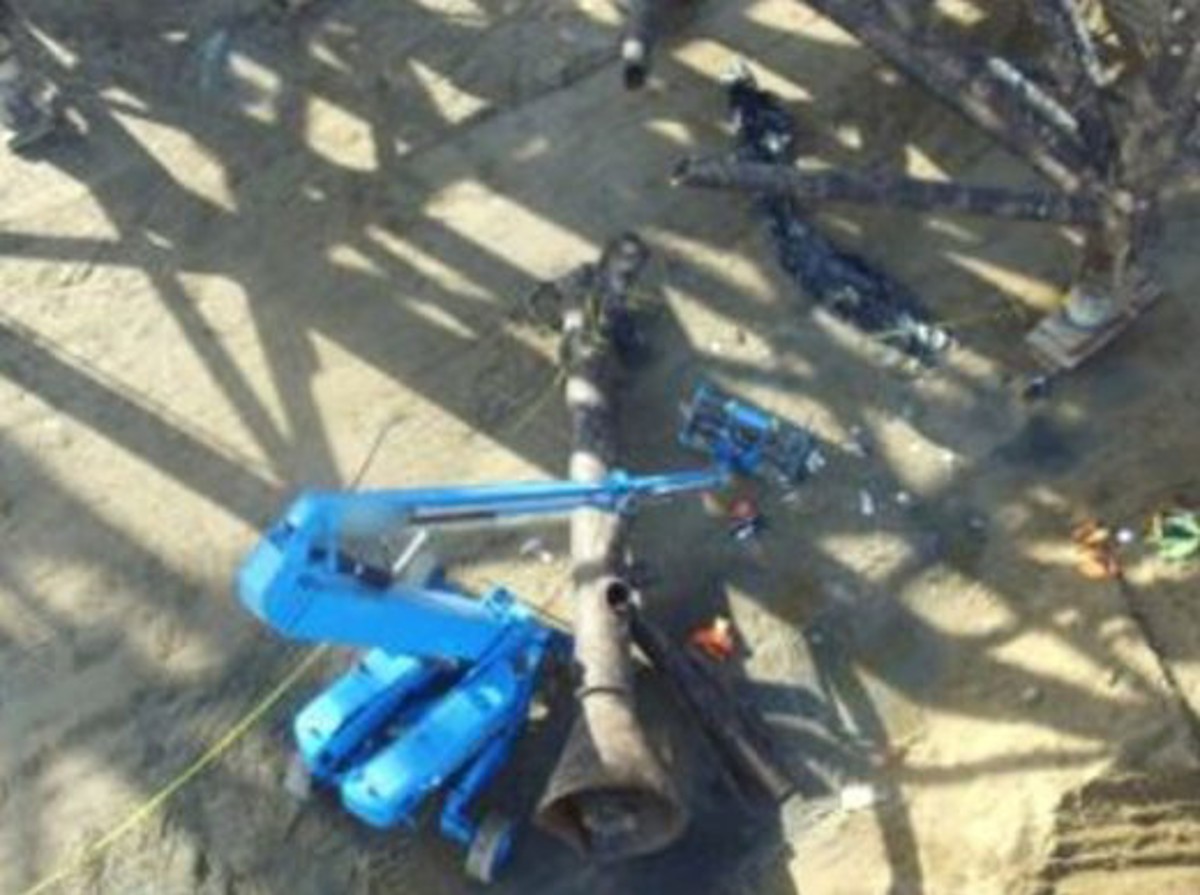
Where the workers fell
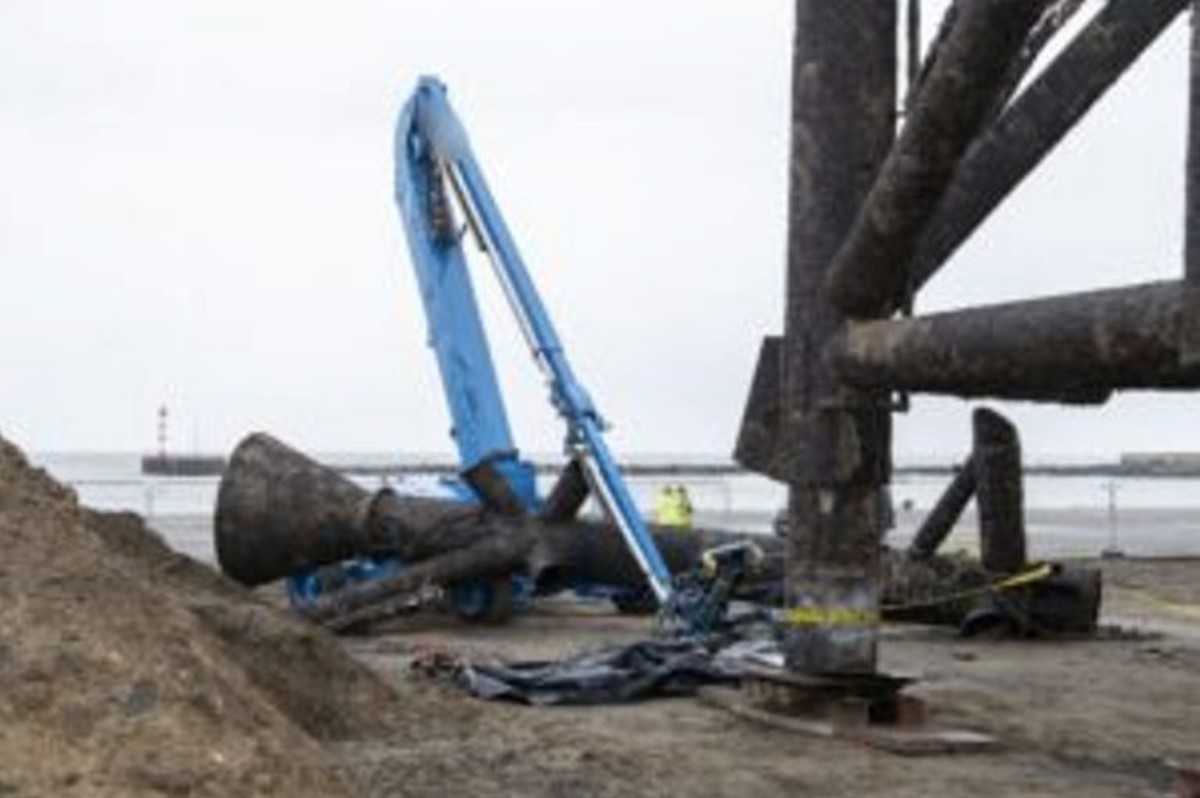
The skirt pile gave way and struck a mobile elevating work platform
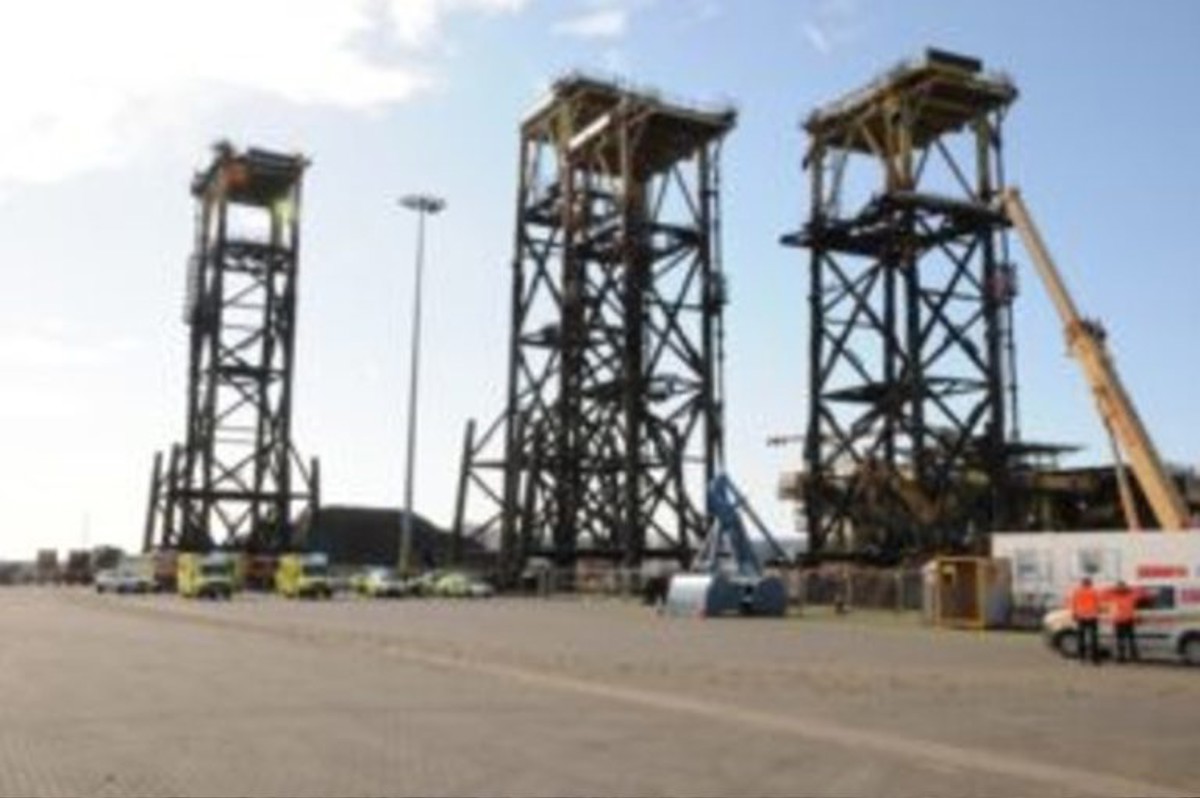
Emergency services attended the scene following the incident
What went wrong?
HSE investigation identified:
- Serious failings with the planning and the risk assessment which did not adequately cover the planned works.
- Shortcomings in supervision.
- The company did not risk assess the skirt pile being removed as it was considered low risk. As a result there was no cutting plan or safe system of work for the skirt pile.
- HSE noted that demolition, dismantling and structural alteration work must be carefully planned and carried out – HSE has guidance on this.
- After the hearing, the HSE inspector noted: This incident, in an emerging industry, highlights the level of controls required to safely demolish what are large, dangerous structures. These standards were not met and tragically one life was lost, and another forever changed.
What happened?
Two men were working as demolition operatives, also known as “Top Men”, undertaking the decommissioning and dismantlement of offshore structures which had been brought ashore. The two workers were removing an overhanging piece of metal pipework (known as a skirt pile), weighing in excess of 27 tonnes, from a gas rig jacket when it gave way. The pile struck the mobile elevating work platform (MEWP) containing the men, throwing them to the ground about 12 metres below.
One worker died at the scene and the other suffered serious life-changing injuries.
Related Safety Flashes
-
IMCA SF 09/22
8 April 2022
-
-
IMCA SF 24/17
5 October 2017
-
-
IMCA SF 28/19
6 December 2019
-
-
IMCA SF 01/06
31 January 2006

IMCA Safety Flashes summarise key safety matters and incidents, allowing lessons to be more easily learnt for the benefit of the entire offshore industry.
The effectiveness of the IMCA Safety Flash system depends on the industry sharing information and so avoiding repeat incidents. Incidents are classified according to IOGP's Life Saving Rules.
All information is anonymised or sanitised, as appropriate, and warnings for graphic content included where possible.
IMCA makes every effort to ensure both the accuracy and reliability of the information shared, but is not be liable for any guidance and/or recommendation and/or statement herein contained.
The information contained in this document does not fulfil or replace any individual's or Member's legal, regulatory or other duties or obligations in respect of their operations. Individuals and Members remain solely responsible for the safe, lawful and proper conduct of their operations.
Share your safety incidents with IMCA online. Sign-up to receive Safety Flashes straight to your email.