Confined space fatality on-board the fishing vessel Sunbeam
- Safety Flash
- Published on 28 January 2019
- Generated on 26 October 2026
- IMCA SF 01/19
- 2 minute read
The UK Marine Accident Investigation Branch (MAIB) has published a report into a confined space fatality on-board the fishing vessel Sunbeam at Fraserburgh in the UK, in August 2018.
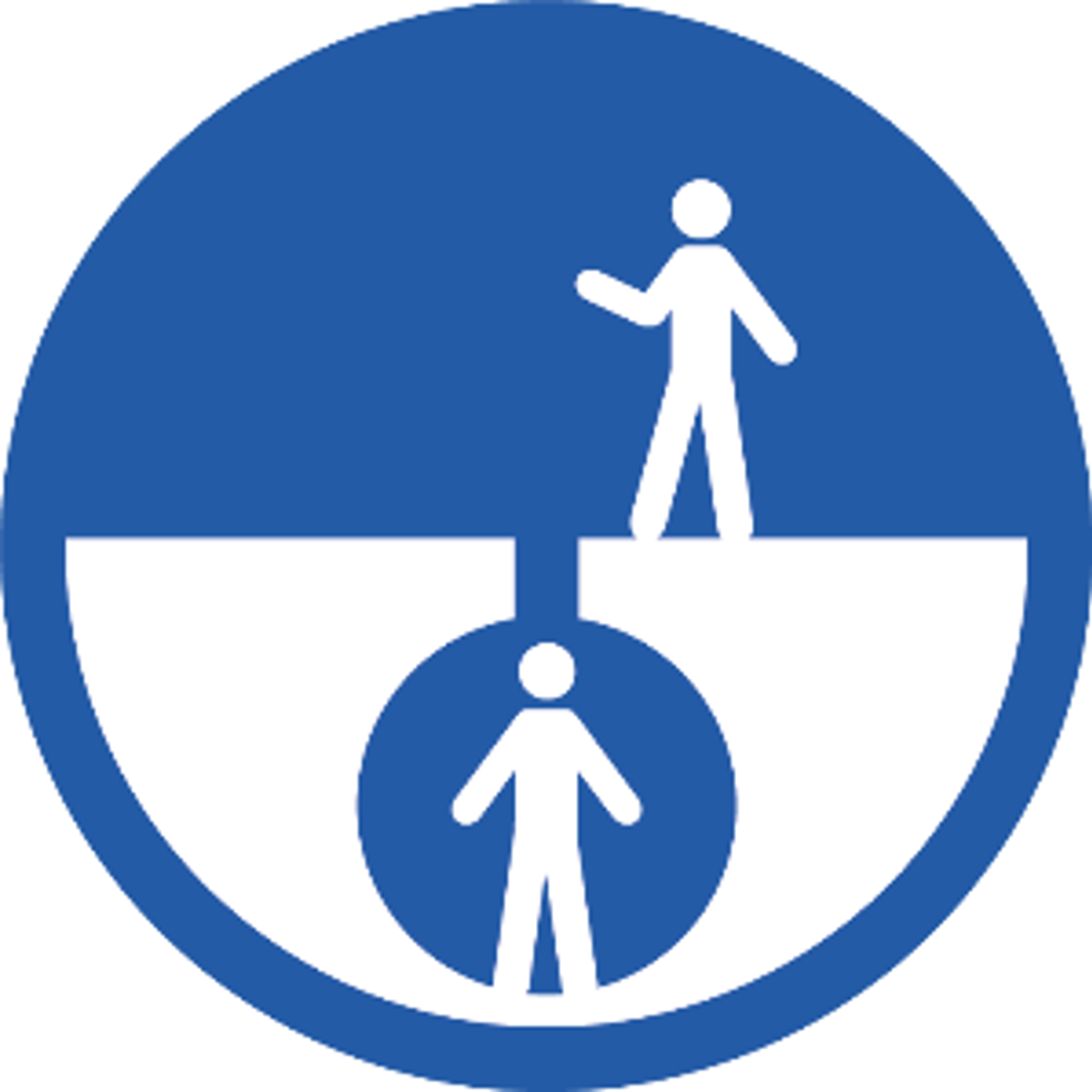
What happened?
The second engineer entered a refrigerated saltwater tank (RSW) (which was being prepared for cleaning) and collapsed.
He was seen lying unconscious at the aft end of the tank by a crewmate, who immediately raised the alarm.
Three of the vessels’ crew entered the tank and tried to resuscitate the second engineer, but they soon became dizzy, confused and short of breath.
One of the crew managed to climb out of the tank unaided, the other two crewmen and the second engineer were recovered onto the open deck by two crewmen wearing breathing apparatus.
The two crewmen made a full recovery, but the second engineer could not be resuscitated and died.
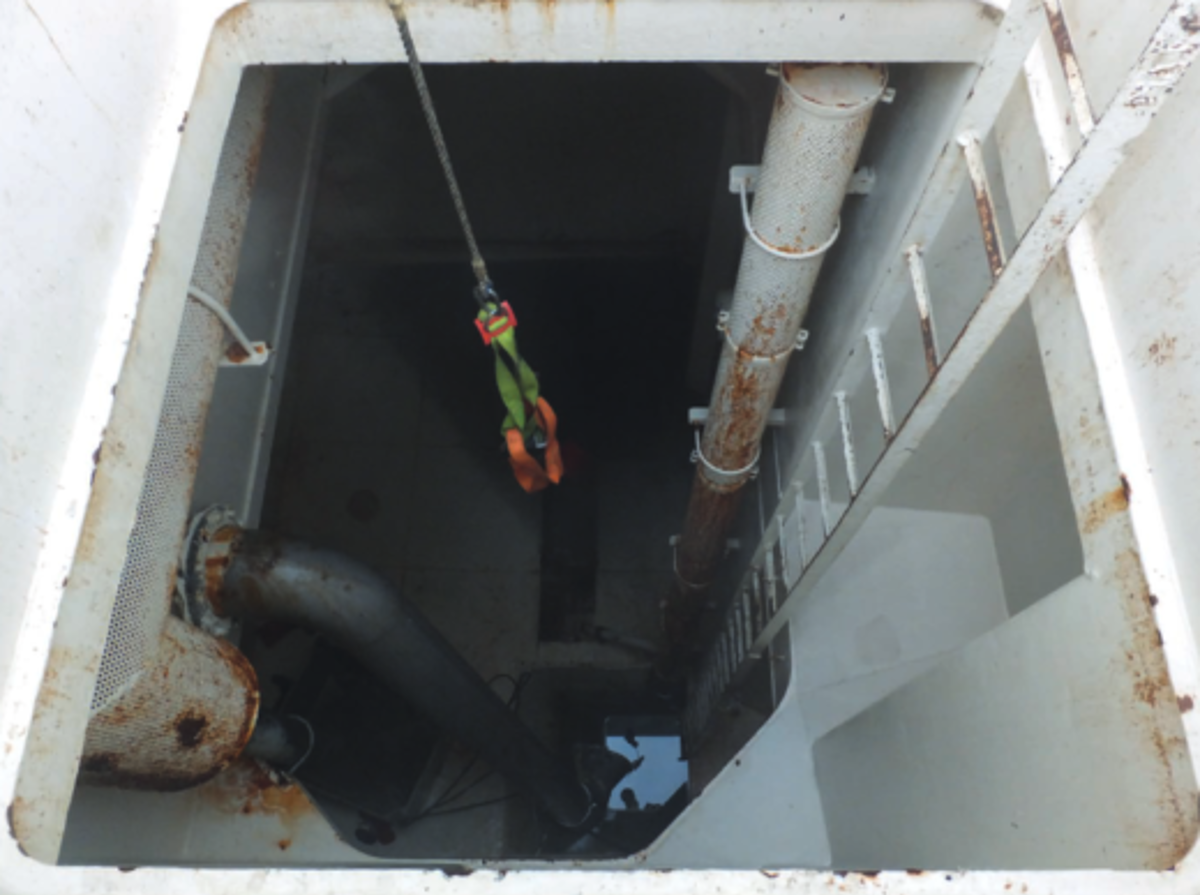
refrigerated saltwater tank
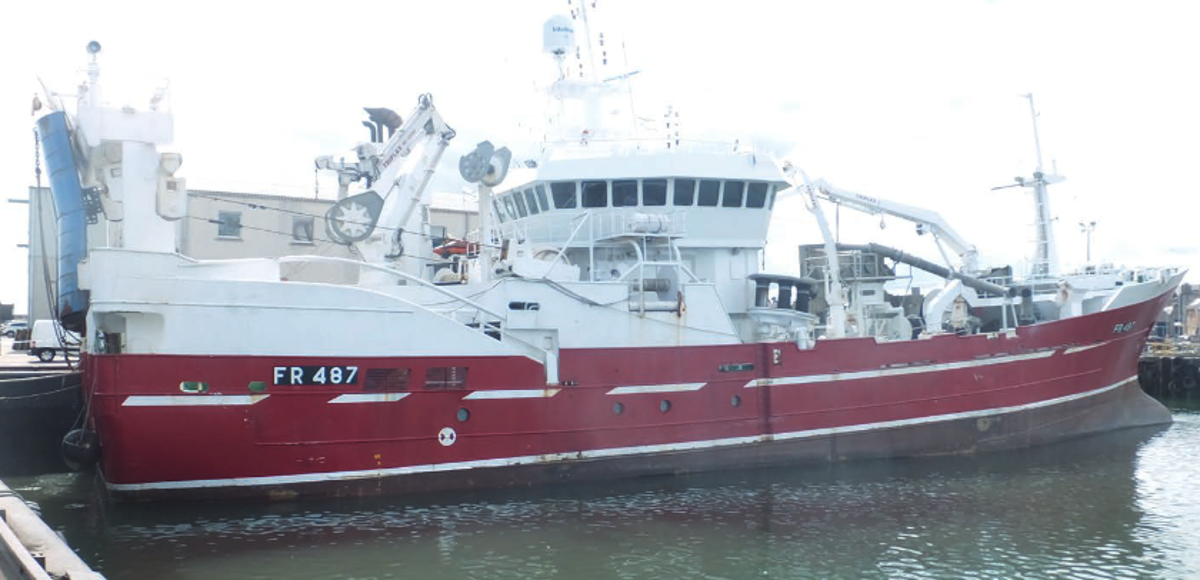
fishing vessel Sunbeam
What went wrong?
It was unclear when and why the second engineer entered the tank. However, evidence indicated that his intention was to sweep the residual seawater that had settled at the aft end of the tank forward in to the tank’s bilge well.
No safety procedures for entering or working in RSW tanks had been completed before he entered the tank.
What lessons were learned?
The MAIB notes that:
- Working in enclosed or confined spaces is potentially hazardous; procedures for entering and working in them should be robust, understood and utilised.
- Enclosed space rescue plans need to be in place on all vessels, risks must be understood, and rescue plans practised.
- All crew members have a responsibility for their own safety; this is particularly important in respect of lone working.
The full report can be found here.
IMCA Safety Flashes summarise key safety matters and incidents, allowing lessons to be more easily learnt for the benefit of the entire offshore industry.
The effectiveness of the IMCA Safety Flash system depends on the industry sharing information and so avoiding repeat incidents. Incidents are classified according to IOGP's Life Saving Rules.
All information is anonymised or sanitised, as appropriate, and warnings for graphic content included where possible.
IMCA makes every effort to ensure both the accuracy and reliability of the information shared, but is not be liable for any guidance and/or recommendation and/or statement herein contained.
The information contained in this document does not fulfil or replace any individual's or Member's legal, regulatory or other duties or obligations in respect of their operations. Individuals and Members remain solely responsible for the safe, lawful and proper conduct of their operations.
Share your safety incidents with IMCA online. Sign-up to receive Safety Flashes straight to your email.