Dropped object hazard: access hatch to the communication dome
- Safety Flash
- Published on 18 June 2025
- Generated on 14 September 2026
- IMCA SF 11/25
- 2 minute read
During a routine scheduled safety inspection of the main mast, it was discovered that the access hatch to one of the communication domes had fallen off.
What happened?
An access hatch cover to the communication dome was found to have dropped off. During a routine scheduled safety inspection of the main mast, it was discovered that the access hatch to one of the communication domes had fallen off. Further examination revealed that the secondary means of securing the hatch was severely compromised. This posed a significant risk, as the next high wind or squall could have resulted in a dropped object with the potential to cause injury or damage.
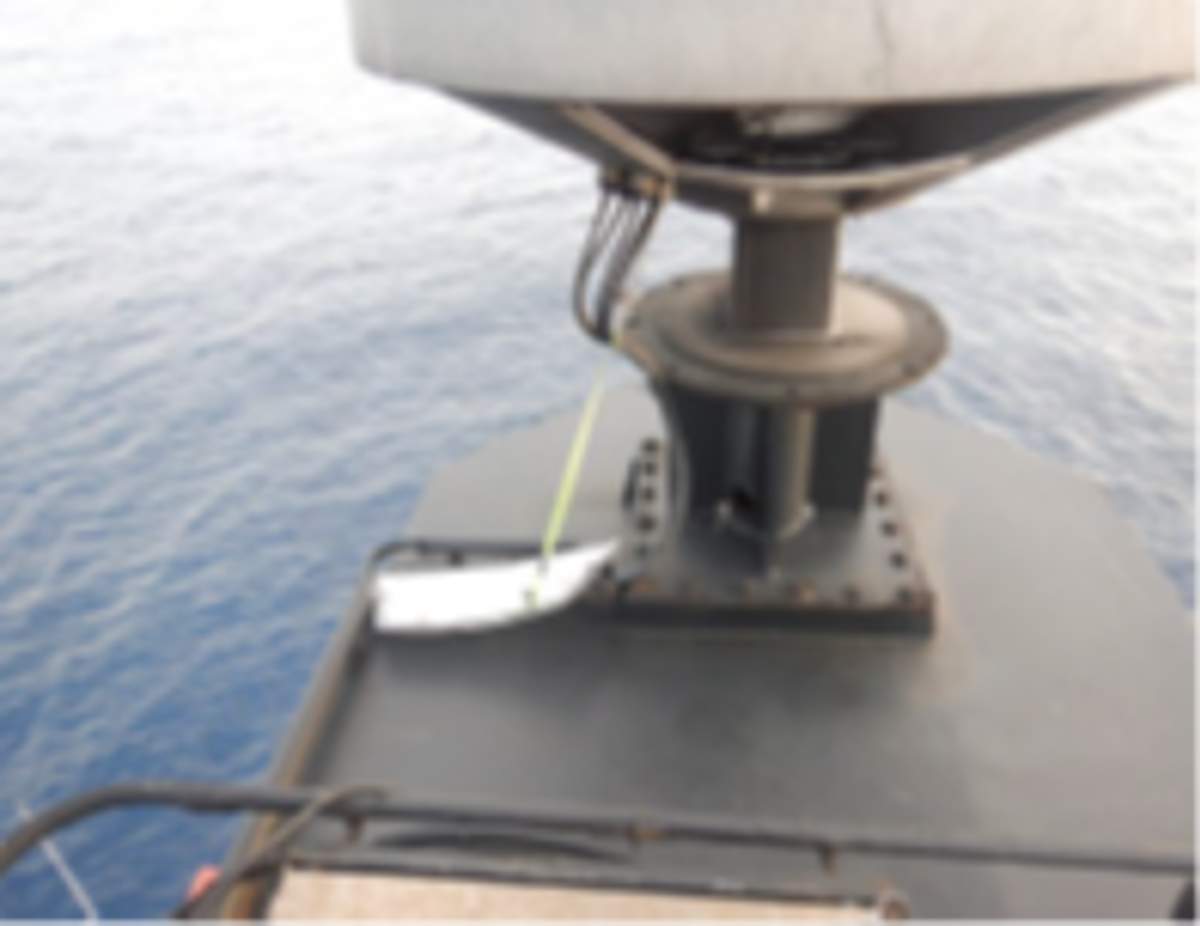
Dropped hatch with inadequate lanyard

Hatch cover with new lanyard made of wire bolted on the hatch
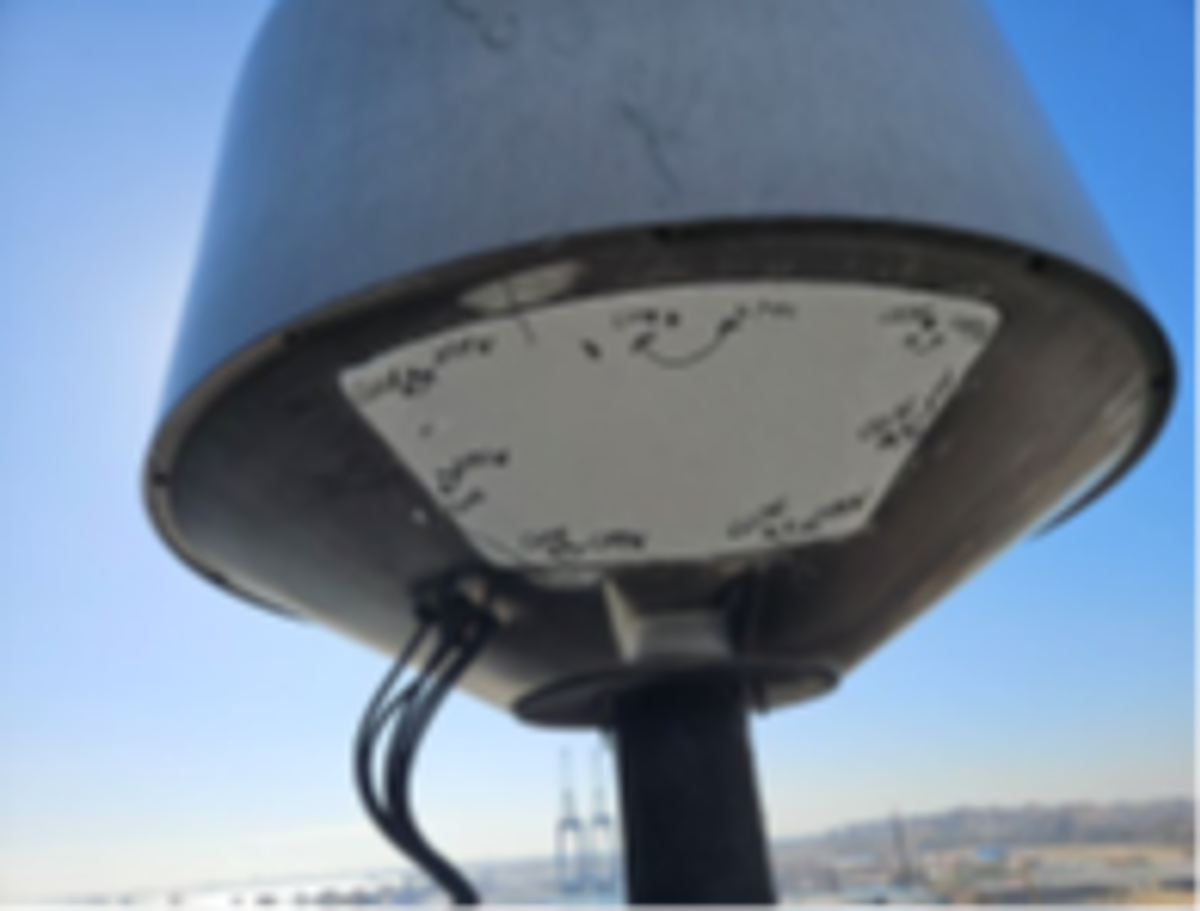
Permanent marks on correct rotation of closing hatch
What went wrong?
· The hatch securing devices were inadequately designed, with the primary securing mechanism having failed.
· The secondary means of securing the hatch (a lanyard) was found to be insufficient for the size and weight of the hatch.
· The lanyard was attached using adhesive pads, which detached when the hatch fell.
What are the actions?
· Immediate Inspection: Conduct a thorough inspection of all communication dome hatch securing mechanisms. Ensure that the access hatches on all domes are properly secured.
· Enhance Primary Securing: Verify that the primary securing mechanisms, such as mounting bolts and nuts, are fitted with spring washers or an alternative method to prevent self-loosening.
· Improve Secondary Securing:
- Install robust and appropriately rated secondary securing devices (e.g., wire lanyards or chains) to prevent hatches from falling if the primary mechanism fails.
- Ensure that the secondary securing devices are not reliant on adhesive pads but are mechanically fixed to withstand the hatch’s weight and anticipated environmental forces.
· Hold a thorough dropped object prevention survey and ensure that access hatches for communication domes are included in planned maintenance schedules. Pay particular attention to areas with potential exposure to high winds or vibrations.
· Update work procedures such that there is a double check that access hatches are secured properly after work is completed, whether by ship’s crew or third-party technicians.
Members may wish to refer to:
Related Safety Flashes
-
IMCA SF 04/18
20 February 2018
-
-
IMCA SF 04/18
20 February 2018
-
-
IMCA SF 10/15
16 July 2015
IMCA Safety Flashes summarise key safety matters and incidents, allowing lessons to be more easily learnt for the benefit of the entire offshore industry.
The effectiveness of the IMCA Safety Flash system depends on the industry sharing information and so avoiding repeat incidents. Incidents are classified according to IOGP's Life Saving Rules.
All information is anonymised or sanitised, as appropriate, and warnings for graphic content included where possible.
IMCA makes every effort to ensure both the accuracy and reliability of the information shared, but is not be liable for any guidance and/or recommendation and/or statement herein contained.
The information contained in this document does not fulfil or replace any individual's or Member's legal, regulatory or other duties or obligations in respect of their operations. Individuals and Members remain solely responsible for the safe, lawful and proper conduct of their operations.
Share your safety incidents with IMCA online. Sign-up to receive Safety Flashes straight to your email.