Lamp fixture fire in office cabin
- Safety Flash
- Published on 11 June 2026
- Generated on 24 October 2026
- IMCA SF 11/26
- 2 minute read
A fire broke out in a ceiling lamp fitting in a cabin on a vessel.
What happened?
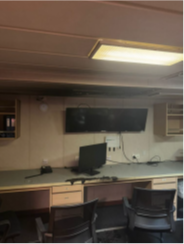
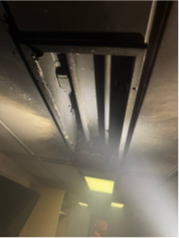
The alarm was detected on the Fire Alarm Panel at 21:59. Personnel went to the cabin and upon opening the door saw fire and smoke (from the ceiling light). A fire extinguisher was used, extinguishing the fire at 22:01. There were no injuries.
 |
 |
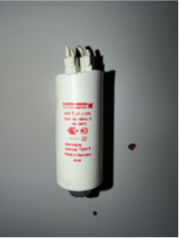 |
| Event damage | Event damage | Typical capacitor in fluorescent lamp |
What went right?
- The emergency response was correct and immediate.
- There was limited damage from the fire to the immediate area, i.e. damage to the ceiling fluorescent light / fixture and table within the cabin.
What went wrong?
- At time of the event, the cabin was not occupied however the lights were ON.
- A failed capacitor (in the fluorescent lamp fitting) was not recovered (it was destroyed during event) however, a review of all other light fixtures (and capacitors) was carried out onboard. These were all found to be a common brand, with some units observed to be in poor condition (i.e. capacitors were observed “cracked”)
What were the causes of the incident?
- The failure of the light capacitor generated an ignition source which in turn generated the fire.
Lessons to learn
- The failure was considered "abnormal" but it emphasises the need for regular inspection and maintenance of lamp fittings to ensure their integrity and safety.
- The event highlighted the importance of a swift and correct emergency response, and the need for regular meaningful drills and emergency response exercises, in order to ensure that response is effective and timely in the event of a emergency situation.
Actions
- Consider an immediate inspection of similar light fixtures / capacitors.
- Ensure Planned maintenance System is modified to include regular inspection of lamp fixtures.
- Consider condition-based (or scheduled) replacement of external filter capacitors in fluorescent light fixtures, or replace with LED lighting.
Related Safety Flashes
-
IMCA SF 32/20
26 November 2020
-
IMCA SF 28/21
15 October 2021
-
-
IMCA SF 12/25
3 July 2025
IMCA Safety Flashes summarise key safety matters and incidents, allowing lessons to be more easily learnt for the benefit of the entire offshore industry.
The effectiveness of the IMCA Safety Flash system depends on the industry sharing information and so avoiding repeat incidents. Incidents are classified according to IOGP's Life Saving Rules.
All information is anonymised or sanitised, as appropriate, and warnings for graphic content included where possible.
IMCA makes every effort to ensure both the accuracy and reliability of the information shared, but is not be liable for any guidance and/or recommendation and/or statement herein contained.
The information contained in this document does not fulfil or replace any individual's or Member's legal, regulatory or other duties or obligations in respect of their operations. Individuals and Members remain solely responsible for the safe, lawful and proper conduct of their operations.
Share your safety incidents with IMCA online. Sign-up to receive Safety Flashes straight to your email.