LTI: Burn to hand while working in laundry
- Safety Flash
- Published on 27 June 2017
- Generated on 26 October 2026
- IMCA SF 16/17
- 2 minute read
UK Step Change in Safety has published an alert in which a member of the crew suffered a burnt hand whilst working in the laundry.
What happened?
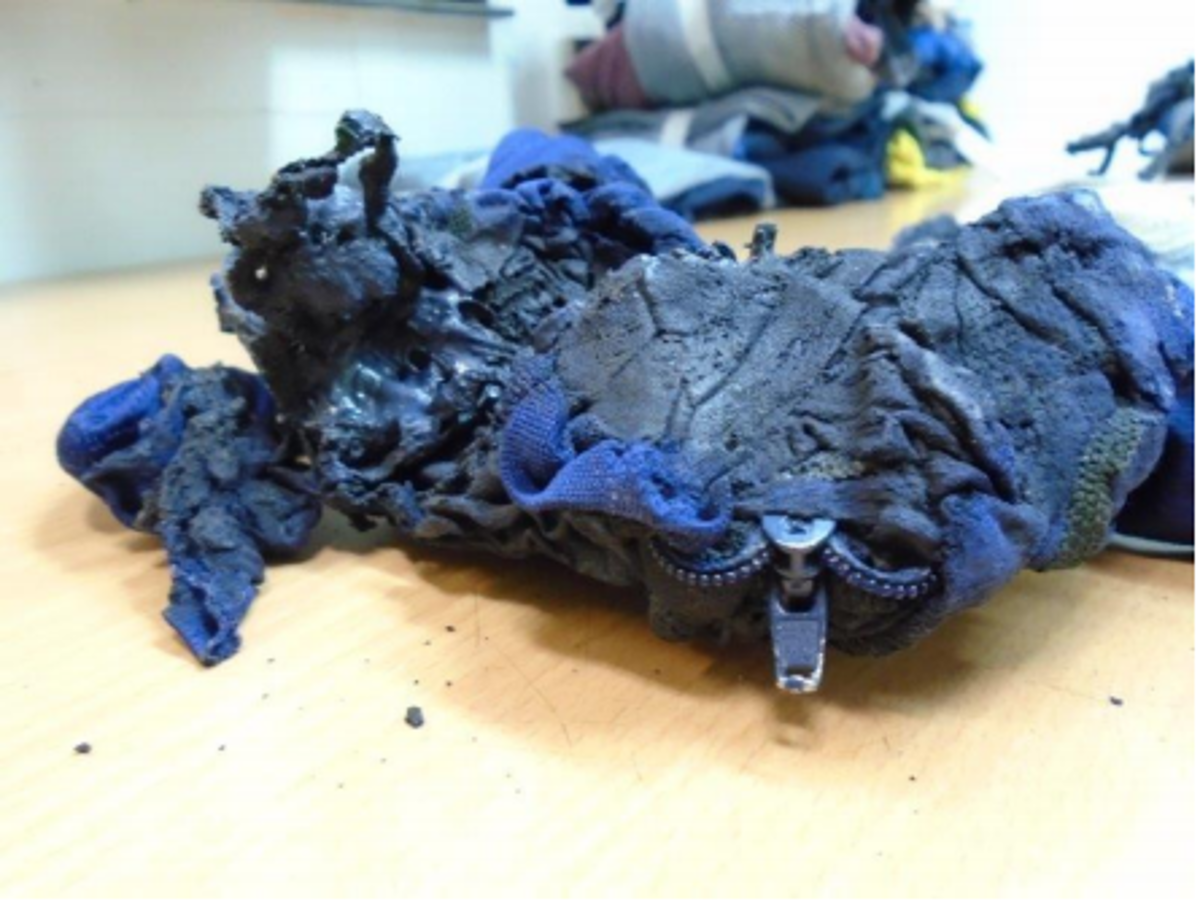
The person put a hand into a dryer (prior to running the cooling cycle) to check if the garments were dry. In doing so, that hand touched a “base layer” type garment* that had melted inside the machine. The result was a burn that escalated to an LTI.
What lessons were learnt?
Some work activities should be done in sequence to ensure safety (e.g. running the dryer cooling cycle before entering). In such cases, it is necessary not only to know what the control measures are, but also to carry the work out in a particular order. Users of offshore laundry facilities should make sure that clothing is appropriate for machine washing and drying. Certain fabrics can melt under high heat, increasing the risk of injury to laundry workers and the possibility of fire.
See the Step Change “Safety Moment” on the Step Change website.
*Base layer type garments are usually either a mix of or entirely made from polypropylene. This fabric has qualities which allow moisture to wick away and heat to be retained. Because of its melting factor, air drying is recommended instead of machine drying.
Related Safety Flashes
-
IMCA SF 07/16
31 March 2016
IMCA Safety Flashes summarise key safety matters and incidents, allowing lessons to be more easily learnt for the benefit of the entire offshore industry.
The effectiveness of the IMCA Safety Flash system depends on the industry sharing information and so avoiding repeat incidents. Incidents are classified according to IOGP's Life Saving Rules.
All information is anonymised or sanitised, as appropriate, and warnings for graphic content included where possible.
IMCA makes every effort to ensure both the accuracy and reliability of the information shared, but is not be liable for any guidance and/or recommendation and/or statement herein contained.
The information contained in this document does not fulfil or replace any individual's or Member's legal, regulatory or other duties or obligations in respect of their operations. Individuals and Members remain solely responsible for the safe, lawful and proper conduct of their operations.
Share your safety incidents with IMCA online. Sign-up to receive Safety Flashes straight to your email.