BSEE/USCG: Dealing with extreme weather events
- Safety Flash
- Published on 4 July 2022
- Generated on 17 October 2026
- IMCA SF 16/22
- 3 minute read
The United States Coastguard (USCG) and Bureau of Safety and Environmental Enforcement (BSEE) have each published a joint Safety Alert relating to the reasons for a drillship’s unsuccessful attempts to avoid a hurricane.
What happened?
The Joint Safety Alert addresses an extreme weather event involving a Mobile Offshore Drilling Unit (MODU) conducting well operations in the Gulf of Mexico. The MODU, with 115 personnel onboard, lost 11 marine riser joints and a lower marine riser package (LMRP) and polluted the Gulf of Mexico with 88 barrels of miscellaneous fluids in its failed attempt to evacuate the area and evade Hurricane Ida.
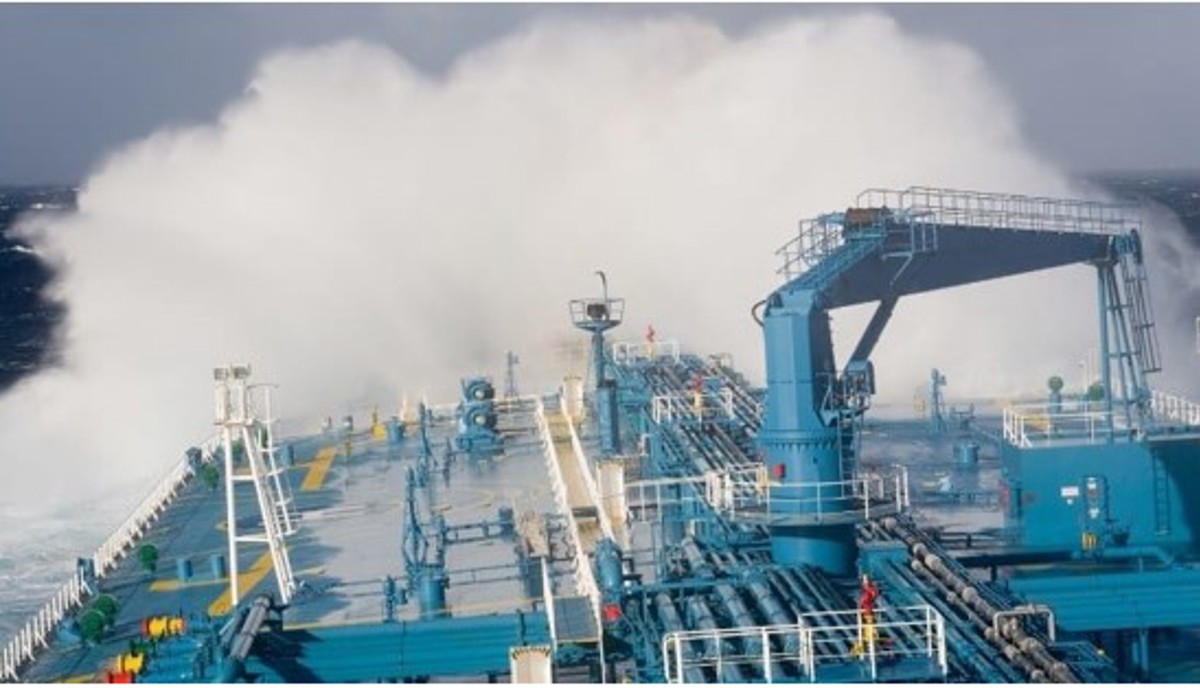
image: Marine Insight
The BSEE investigation concluded that:
- The operator and contractor representatives failed to promptly start Temporary Abandonment (TA) procedures. The temporary abandonment was delayed as the operator and contractor jointly decided to conduct a crew change during an operation and reduced staffing and time constraints.
- Over-torqued bolts and equipment breakdowns prevented the drill crew from retrieving the marine riser and LMRP, causing further delays.
- The MODU’s Master stopped work so the crew could make storm preparations, such as placing covers on riser hatches. The Master and marine crew maneuvered the MODU with 12 riser joints and LMRP still hanging under the moonpool at speeds between 1 and 3.5 knots. Still, they could not evade Category 2+ hurricane-force wind and high/rough seas. The riser subsequently broke just below the rotary sending 11 riser joints and LMRP to the seafloor.
The Coast Guard and BSEE have issued the Safety Alert jointly to highlight the importance of risk-based operational planning and preparation when addressing extreme weather events. Among the recommendations offered by the USCG and BSEE are:
- Ensure all considerations and associated risks are documented and discussed with the operations team;
- Determine a “decision time” to act in the face of an extreme weather event. The decision to continue operations should not depend on a forecast track to the asset location. Don’t wait on a definitive weather forecast to react.
- Document contingencies for when extreme weather conditions cannot be evaded or when evacuation is impossible. Ensure Hurricane Plans or Extreme Weather Plans are up to date; identify search and rescue assets available to conduct a mass evacuation of personnel.
- Review Extreme Weather Plans before hurricane season to verify which plan takes precedence and reflects actual company operations and practices. Also, discuss documents with involved personnel, and identify and correct any training gaps.
-
IMCA SF 32/21
25 November 2021
-
IMCA SF 29/21
28 October 2021
-
IMCA SF 18/20
12 June 2020
-

IMCA Safety Flashes summarise key safety matters and incidents, allowing lessons to be more easily learnt for the benefit of the entire offshore industry.
The effectiveness of the IMCA Safety Flash system depends on the industry sharing information and so avoiding repeat incidents. Incidents are classified according to IOGP's Life Saving Rules.
All information is anonymised or sanitised, as appropriate, and warnings for graphic content included where possible.
IMCA makes every effort to ensure both the accuracy and reliability of the information shared, but is not be liable for any guidance and/or recommendation and/or statement herein contained.
The information contained in this document does not fulfil or replace any individual's or Member's legal, regulatory or other duties or obligations in respect of their operations. Individuals and Members remain solely responsible for the safe, lawful and proper conduct of their operations.
Share your safety incidents with IMCA online. Sign-up to receive Safety Flashes straight to your email.