Pilot ladder safety
- Safety Flash
- Published on 29 November 2013
- Generated on 27 October 2026
- IMCA SF 17/13
- 2 minute read
The Oil Companies International Marine Forum (OCIMF) has circulated the following safety flash, regarding pilot ladder safety.
Incident 1 – Pilot Ladders
An inspector was boarding a 1.5 year old ship via a pilot ladder, used in combination with the accommodation ladder. As the inspector was half way up the ladder, one of the side ropes parted leaving the inspector on the ladder with only one rope. Fortunately, the other side rope held and the inspector went back down to the launch and boarded the ship after a new ladder was deployed.
Upon boarding the ship, the inspector checked the damaged ladder and reported that, while the ladder generally appeared to be in good condition, the rope had parted at the upper end where an eye was formed around a thimble to allow for securing the ladder.
The rope around the thimble was covered with (heat shrunk) plastic, which did not allow that part of the rope to be inspected before use.
As it turned out, the rope under the plastic covering was completely rotten.
Incident 2 – A near miss with Embarkation Ladders
A near miss report on a ship outlined that, as part of the safety routines on board, the master inspected the ship’s lifeboat embarkation ladders, and noted that the thimble eye by which the ladder secured to the deck had been covered in heat shrunk plastic.
The Master did not approve of this, and asked for these coverings to be removed and the rope inspected.
The covering was removed and, upon inspection, it was noted that the rope was rotten underneath.
Considering that the rope was only about two years old, this deterioration would not have been noted, nor expected, and could have resulted in a serious accident or fatality with worse consequences if the ladder were to be used in an emergency.
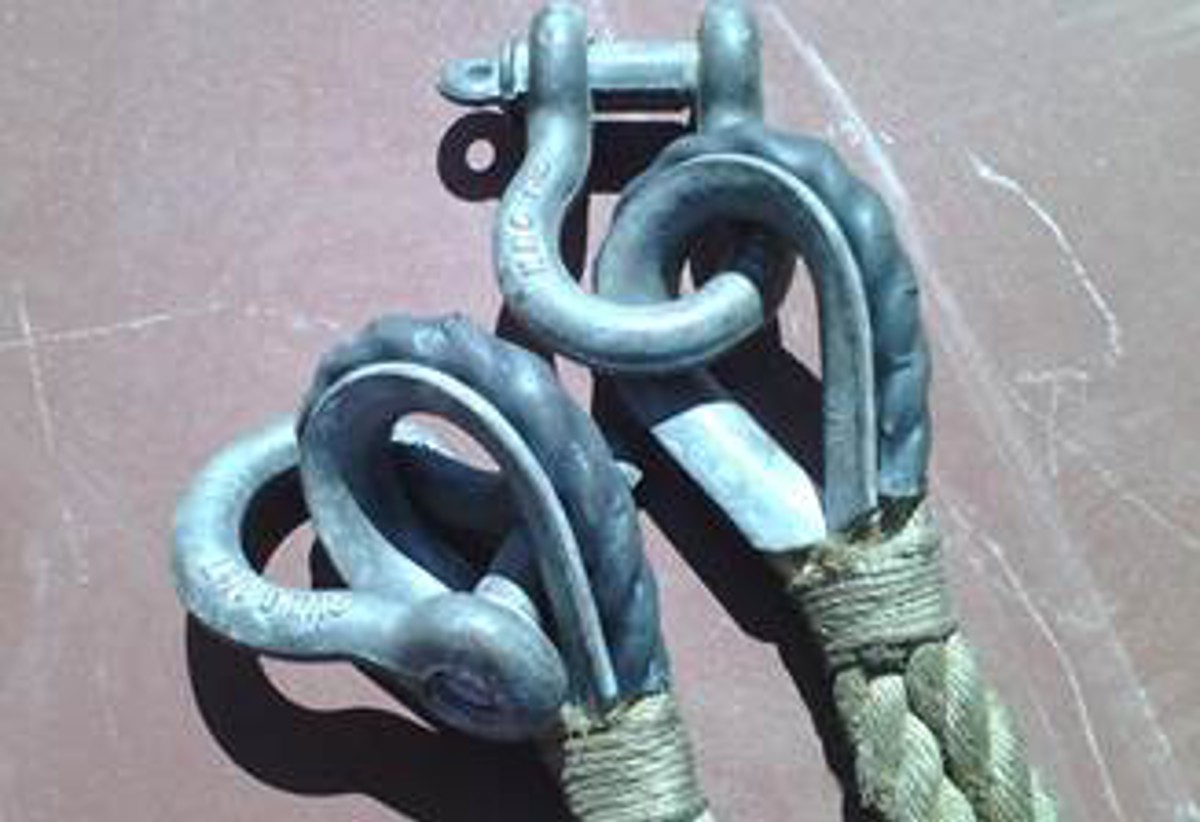
plastic covering under which the rope was rotten
Lessons learnt
These incidents highlight the importance of regularly inspecting every part of all ropes that are deployed on board, whether for safety equipment or for mooring operations.
IMCA Safety Flashes summarise key safety matters and incidents, allowing lessons to be more easily learnt for the benefit of the entire offshore industry.
The effectiveness of the IMCA Safety Flash system depends on the industry sharing information and so avoiding repeat incidents. Incidents are classified according to IOGP's Life Saving Rules.
All information is anonymised or sanitised, as appropriate, and warnings for graphic content included where possible.
IMCA makes every effort to ensure both the accuracy and reliability of the information shared, but is not be liable for any guidance and/or recommendation and/or statement herein contained.
The information contained in this document does not fulfil or replace any individual's or Member's legal, regulatory or other duties or obligations in respect of their operations. Individuals and Members remain solely responsible for the safe, lawful and proper conduct of their operations.
Share your safety incidents with IMCA online. Sign-up to receive Safety Flashes straight to your email.