SWL plate dropped from crane block
- Safety Flash
- Published on 17 September 2025
- Generated on 5 October 2026
- IMCA SF 17/25
- 2 minute read
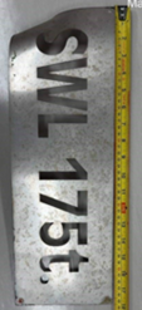
An “SWL” plate weighing 0.9kg fell from the auxiliary hook block and landed on the main deck of a newly purchased vessel.
What happened?
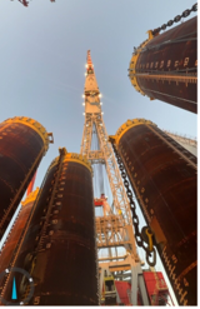
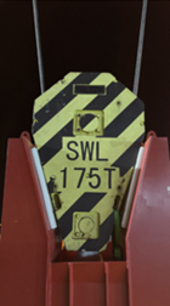
No one observed the plate fall so the height cannot be confirmed; potentially the plate fell 125 metres, due to the height of hook when the plate was last observed. The plate was redundant as there is a clearly painted SWL on the hook block.
The vessel had been handed over from the shipbuilder less than a year before the incident. The shipbuilder installed the SWL plate on hooks although this was not included in the hook block specification drawings.
 |
 |
 |
What was the cause?
- Previous internal dropped object inspections and daily crane pre-start checks, which include dropped object assessments, had not identified this hazard.
- The SWL plate was installed on the hook but was not included in hood block specifications.
- Galvanic corrosion: the use of dissimilar metals—stainless steel and aluminium—led to accelerated galvanic corrosion, which is believed to have caused the rivets to fail and the plate to detach.
Actions and lessons
- A check was made of all other SWL plates on all hooks and equipment that could pose a DROPS risk;
Fed back to shipbuilder and crane manufacturer to reduce the likelihood of a similar event occurring elsewhere. - A third-party DROPS inspection on the vessel was brought forward to a reasonable time when modifications were completed and after the handover of the vessel.
- Could there be other objects at height or elsewhere on the vessel that exist but are not in the specifications or in the General Arrangement drawings?
Related Safety Flashes
-
IMCA SF 21/15
7 December 2015
-
IMCA SF 34/16
29 November 2016
-
IMCA SF 21/17
23 August 2017
-
-
IMCA SF 20/18
10 September 2018
-
-
IMCA SF 05/20
13 February 2020
-
IMCA Safety Flashes summarise key safety matters and incidents, allowing lessons to be more easily learnt for the benefit of the entire offshore industry.
The effectiveness of the IMCA Safety Flash system depends on the industry sharing information and so avoiding repeat incidents. Incidents are classified according to IOGP's Life Saving Rules.
All information is anonymised or sanitised, as appropriate, and warnings for graphic content included where possible.
IMCA makes every effort to ensure both the accuracy and reliability of the information shared, but is not be liable for any guidance and/or recommendation and/or statement herein contained.
The information contained in this document does not fulfil or replace any individual's or Member's legal, regulatory or other duties or obligations in respect of their operations. Individuals and Members remain solely responsible for the safe, lawful and proper conduct of their operations.
Share your safety incidents with IMCA online. Sign-up to receive Safety Flashes straight to your email.