Near-miss: Unintentional release of diving helmet – neck dam/helmet securing arrangements
- Safety Flash
- Published on 2 August 2016
- Generated on 25 August 2026
- IMCA SF 20/16
- 2 minute read
A Member reported a near miss incident during diving operations in which the neck dam and helmet separated whilst the diver was wearing a Kirby Morgan 37.
What happened?
The incident occurred in 9m water and there was minor water ingress into the helmet. The diver maintained vertical position, activated his free-flow and was recovered to the surface safely. The hat did not flood and communications between the diver and supervisor were maintained throughout. On his safe arrival to the surface, he was examined immediately by the on board doctor and pronounced well.
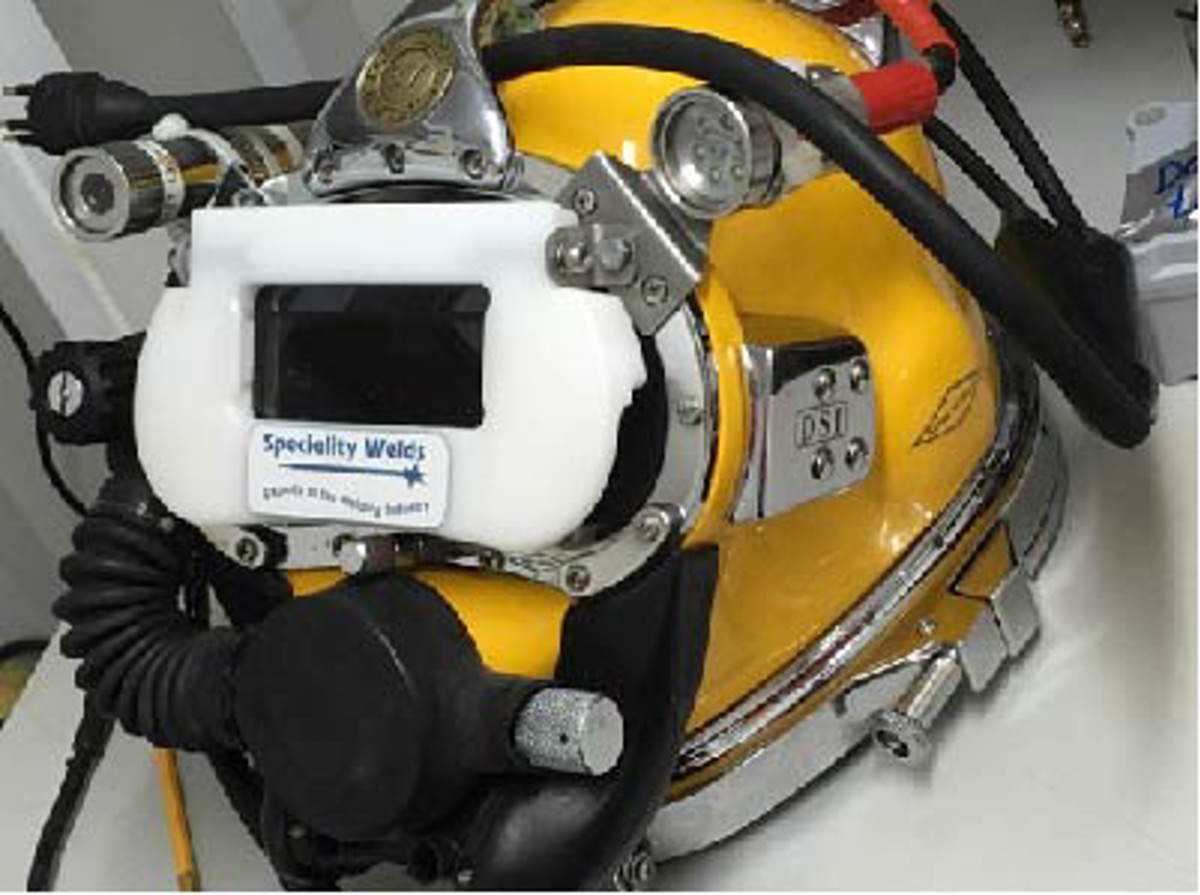
On notification of the incident, all diving activities were terminated and a full incident investigation by the diving contractor and the client was conducted. All personnel were brought ashore to be interviewed and video evidence was examined from both deck cameras and the divers helmet camera.
An investigation noted the following:
- Immediately after the incident the helmet was quarantined and inspected by qualified personnel.
- The helmet appeared to have no defects, structural damage or other identifiable issues which may have caused or contributed to the separation.
- Separation occurred via the mechanism designed for releasing the helmet from the neck dam.
- The certification of this particular helmet was valid in accordance with company standards.
- Pre-dive checks were logged and reported with video evidence available of them occurring.
- The investigation team concluded with the information available to them that the root cause of failure was human error. It appears that the tender did not fit the hat correctly to the diver during pre-dive checks.
The following lessons were learnt:
- Divers pre-water entry ‘call out’ list to be repeated a second time and signed off by the diver’s tender and a competent second person.
- Helmet lock pins should be fitted with approved Kirby Morgan sleeves as an additional control.
- Duties and responsibilities for all personnel should be made clearly known by tool box talk on a ‘dive by dive’ basis, i.e. each person is to know his exact emergency location in the event of a diving related in water emergency.
- In this case, owing to the distance between the diving launch and recovery systems, a swim line was placed between the two to allow the emergency/standby diver easier and quicker access to any stricken diver.
- Training around the risk of complacency should continue.
Related Safety Flashes
-
IMCA SF 15/13
23 September 2013
-
IMCA SF 02/11
25 February 2011
-
IMCA SF 06/07
30 July 2007
-
IMCA SF 06/05
2 May 2005
-
IMCA SF 12/03
2 September 2003
IMCA Safety Flashes summarise key safety matters and incidents, allowing lessons to be more easily learnt for the benefit of the entire offshore industry.
The effectiveness of the IMCA Safety Flash system depends on the industry sharing information and so avoiding repeat incidents. Incidents are classified according to IOGP's Life Saving Rules.
All information is anonymised or sanitised, as appropriate, and warnings for graphic content included where possible.
IMCA makes every effort to ensure both the accuracy and reliability of the information shared, but is not be liable for any guidance and/or recommendation and/or statement herein contained.
The information contained in this document does not fulfil or replace any individual's or Member's legal, regulatory or other duties or obligations in respect of their operations. Individuals and Members remain solely responsible for the safe, lawful and proper conduct of their operations.
Share your safety incidents with IMCA online. Sign-up to receive Safety Flashes straight to your email.