ATSB: Undocumented modification contributed to steam burns
- Safety Flash
- Published on 7 November 2025
- Generated on 5 October 2026
- IMCA SF 20/25
- 2 minute read
The Australian Transport Safety Bureau (ATSB) has published Report MO-2025-004 into an unplanned pressure release which resulted in burn injuries to three crew members.
What happened?
An engineering team was conducting maintenance on the main deck steam valve for the heating system of an oil tanker. After the system was isolated, the team removed the valve bonnet, and residual hot condensate was suddenly released, resulting in burn injuries to three crew members. After receiving first aid on board, the crew members were transported to shore for medical treatment.

Undocumented modification of drain line
What went wrong?
- Investigation found the crew had not allowed adequate time for the steam system to cool before starting work on the cargo heating system main deck steam valve.
- The investigation also found a permanent modification to the steam drain line had been implemented on board this vessel without documentation.
- The ATSB noted that this undocumented change, which was not incorporated into a risk assessment or formally reviewed, likely introduced a system vulnerability that undermined the effectiveness of the steam system isolation.
- Moreover, the ATSB found the modification was not identified during routine technical inspections or multiple company superintendent visits to the ship.
What did they do next?
- Since the incident, the drain line on this vessel was returned to its original design configuration.
- A fleetwide campaign was started to identify any unauthorised modifications to shipboard piping systems.
- Crew were encouraged to remember that modifications should be undertaken only after appropriate consultation and always in accordance with a formal Management of Change process.
Lessons to learn
- Where changes are to be made to a system, these need to be recorded and the processes to identify the risks should to be followed to ensure there are no unintended consequences.
- Allow sufficient time for cooling when dealing with systems involving fluids at very high temperatures.
- Remember to include visual confirmation that something is isolated – check, double check, check again.
Related Safety Flashes
-
IMCA SF 11/23
3 May 2023
-
-
IMCA SF 19/22
26 July 2022
-
IMCA SF 02/24
22 January 2024
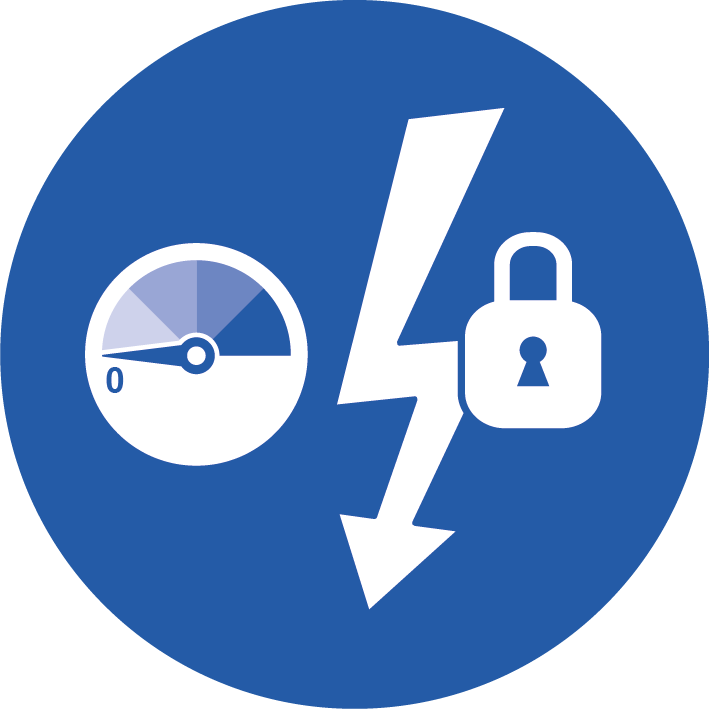

IMCA Safety Flashes summarise key safety matters and incidents, allowing lessons to be more easily learnt for the benefit of the entire offshore industry.
The effectiveness of the IMCA Safety Flash system depends on the industry sharing information and so avoiding repeat incidents. Incidents are classified according to IOGP's Life Saving Rules.
All information is anonymised or sanitised, as appropriate, and warnings for graphic content included where possible.
IMCA makes every effort to ensure both the accuracy and reliability of the information shared, but is not be liable for any guidance and/or recommendation and/or statement herein contained.
The information contained in this document does not fulfil or replace any individual's or Member's legal, regulatory or other duties or obligations in respect of their operations. Individuals and Members remain solely responsible for the safe, lawful and proper conduct of their operations.
Share your safety incidents with IMCA online. Sign-up to receive Safety Flashes straight to your email.