BSEE: recurring hand injuries from alternative cutting devices
- Safety Flash
- Published on 27 November 2024
- Generated on 24 October 2026
- IMCA SF 23/24
- 2 minute read
The United States Bureau of Safety and Environmental Enforcement (BSEE) has published Safety Alert 487 relating to an observed trend of recurring hand injuries while using alternative cutting devices.
What happened?
Incident 1: While running a new cable in a cable tray, an offshore worker was using a cutter to remove previously installed zip ties. Although the protective tip of the cutter was damaged, exposing the blade, the offshore worker continued to use the damaged cutting device. The exposed blade cut through the worker’s glove, causing a laceration on the left hand between the thumb and index finger.
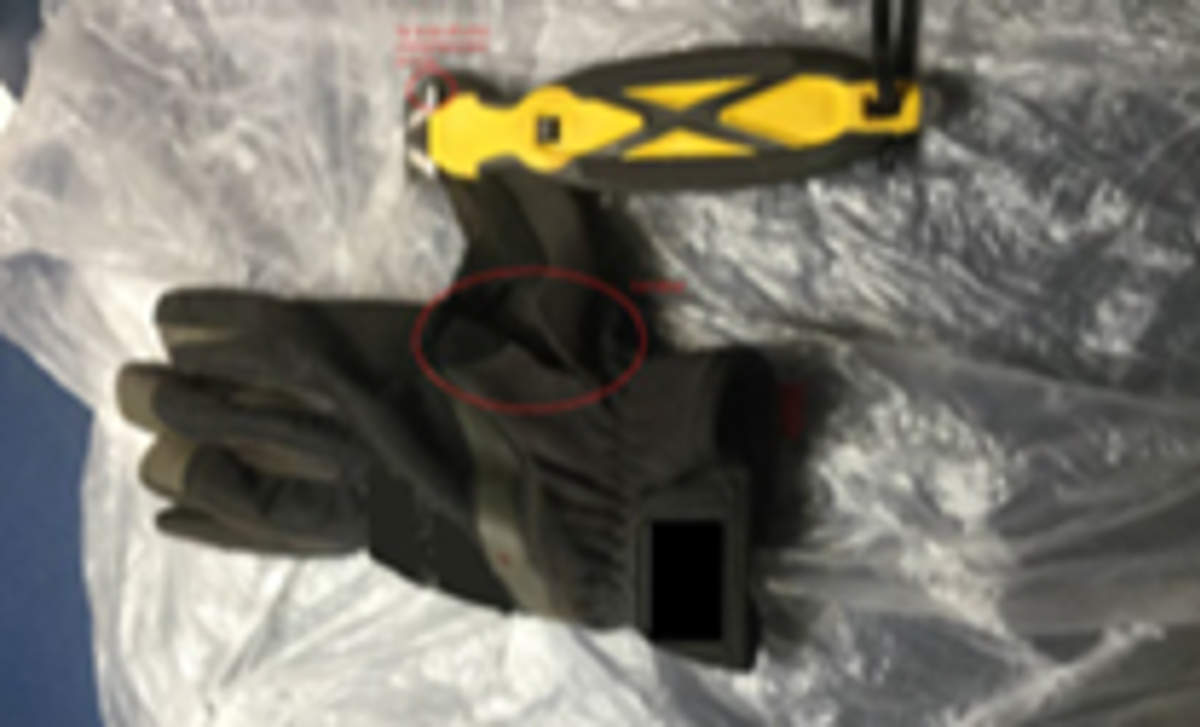
Incident 1: Damaged alternative cutting device and cut glove
Incident 2: An offshore worker sustained a laceration to the back of their hand, between the thumb and index finger, while cutting zip ties. The incident occurred when the cutting device rebounded, causing the injury. It was found that the protective guard over the blade was missing, leaving the blade exposed (Figure 2).
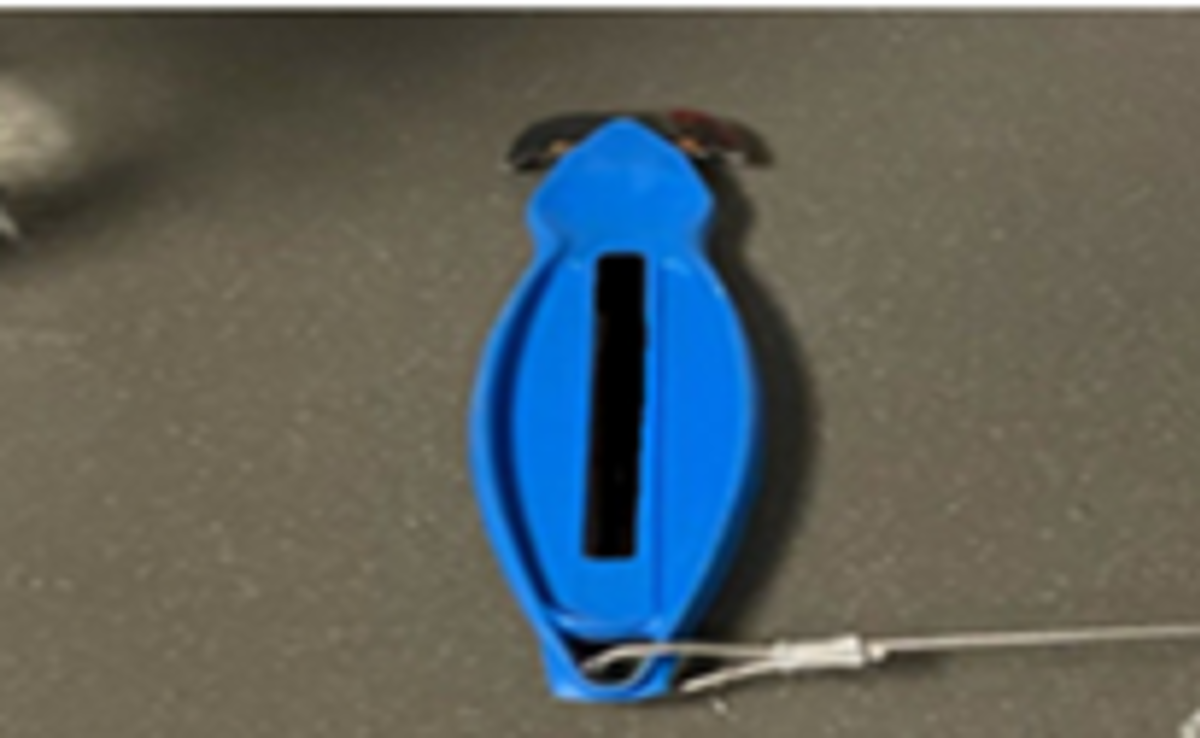
Incident 2: Exposed blade on alternative cutting device
Actions to take
BSEE notes that when using any alternative cutting device, it is critical to follow safe work practices to prevent worker injury or damage to property. Misuse of these alternative cutting devices often leads to injury, emphasizing the need for future continuous vigilance and strict adherence to safety protocols. Alternative cutting devices that have been damaged or altered should be discarded.
BSEE recommends:
- Ensuring all personnel identify the appropriate alternative cutting device in the Job Safety Analysis for the assigned task.
- Inspecting the alternative cutting device before use to confirm that the protective shielding is free from wear or chips and that it is properly installed.
- Ensuring personnel do not alter or modify alternative cutting devices before use;
- Ensuring personnel use cut resistant gloves for added protection when using alternative cutting devices.
- Ensuring that if the alternative cutting device is defective in any way, the cutting device is discarded appropriately.
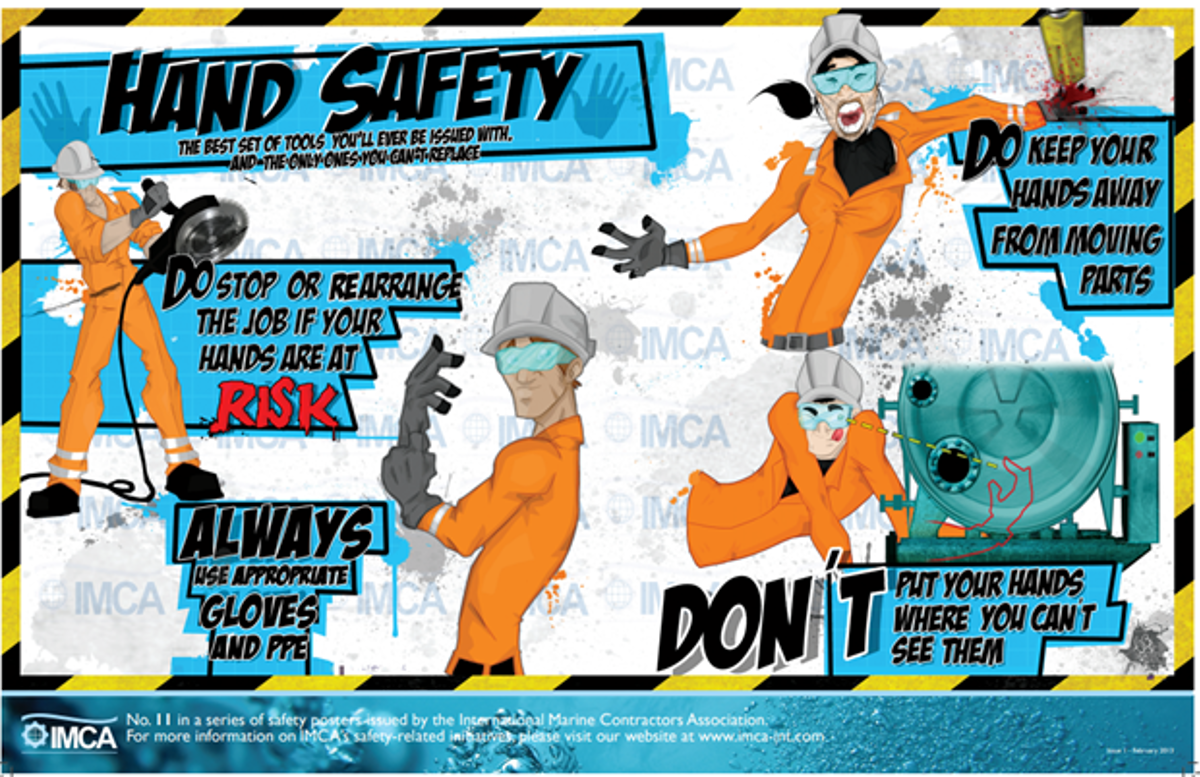
A wide range of safety promotional material on hand safety is available from IMCA here:
IMCA Safety Flashes summarise key safety matters and incidents, allowing lessons to be more easily learnt for the benefit of the entire offshore industry.
The effectiveness of the IMCA Safety Flash system depends on the industry sharing information and so avoiding repeat incidents. Incidents are classified according to IOGP's Life Saving Rules.
All information is anonymised or sanitised, as appropriate, and warnings for graphic content included where possible.
IMCA makes every effort to ensure both the accuracy and reliability of the information shared, but is not be liable for any guidance and/or recommendation and/or statement herein contained.
The information contained in this document does not fulfil or replace any individual's or Member's legal, regulatory or other duties or obligations in respect of their operations. Individuals and Members remain solely responsible for the safe, lawful and proper conduct of their operations.
Share your safety incidents with IMCA online. Sign-up to receive Safety Flashes straight to your email.