Dropped object: Window fell from crane cabin
- Safety Flash
- Published on 15 November 2017
- Generated on 26 October 2026
- IMCA SF 29/17
- 2 minute read
A window came loose from the crane operator’s cabin on a DSV, and fell approximately 4 m to deck. No one was injured.
What happened?
The incident occurred when, during a pause in crane operations, the crane boom was slewed away from personnel working on deck, and the crane operator asked to stand by for further instructions.
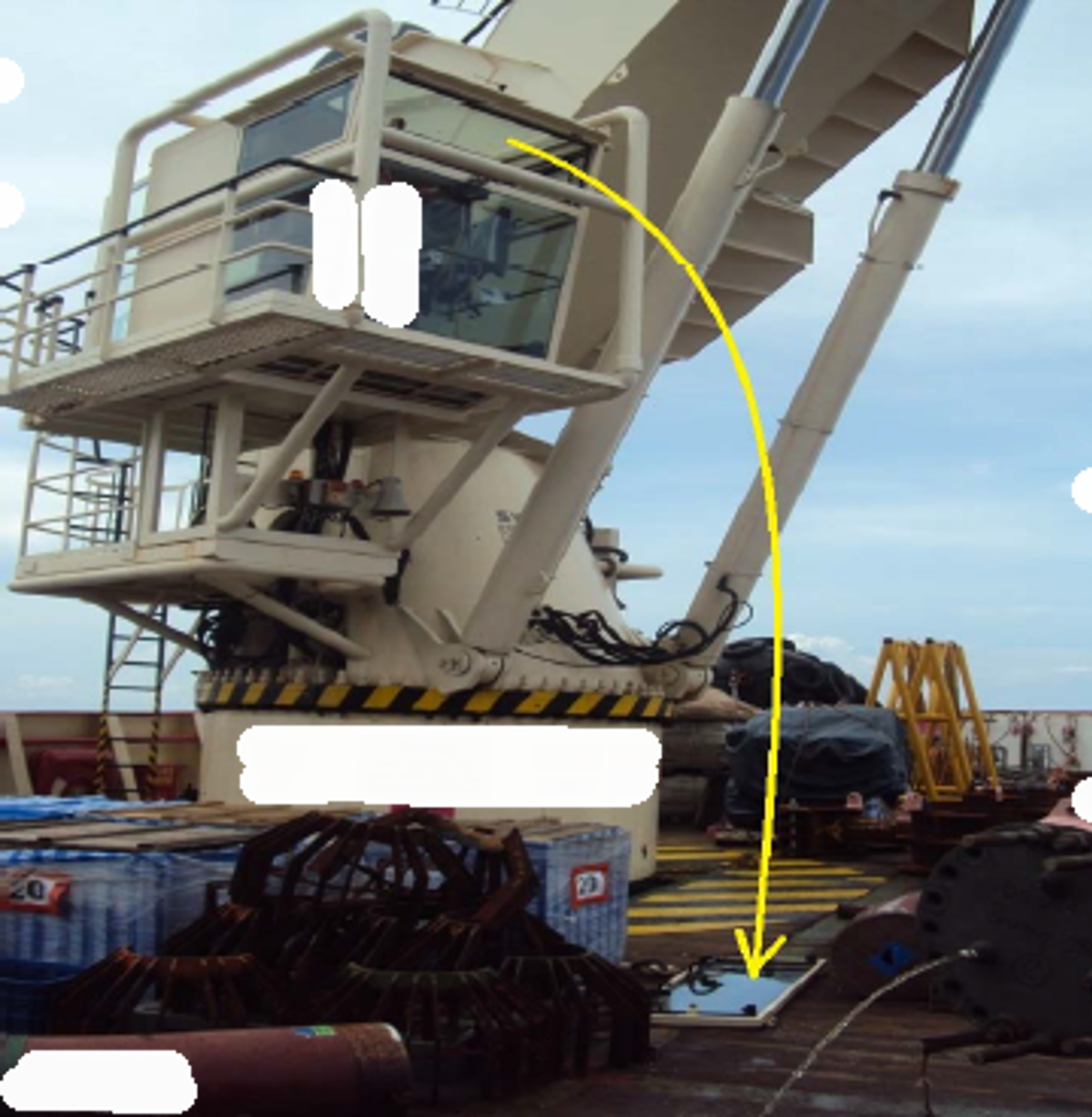
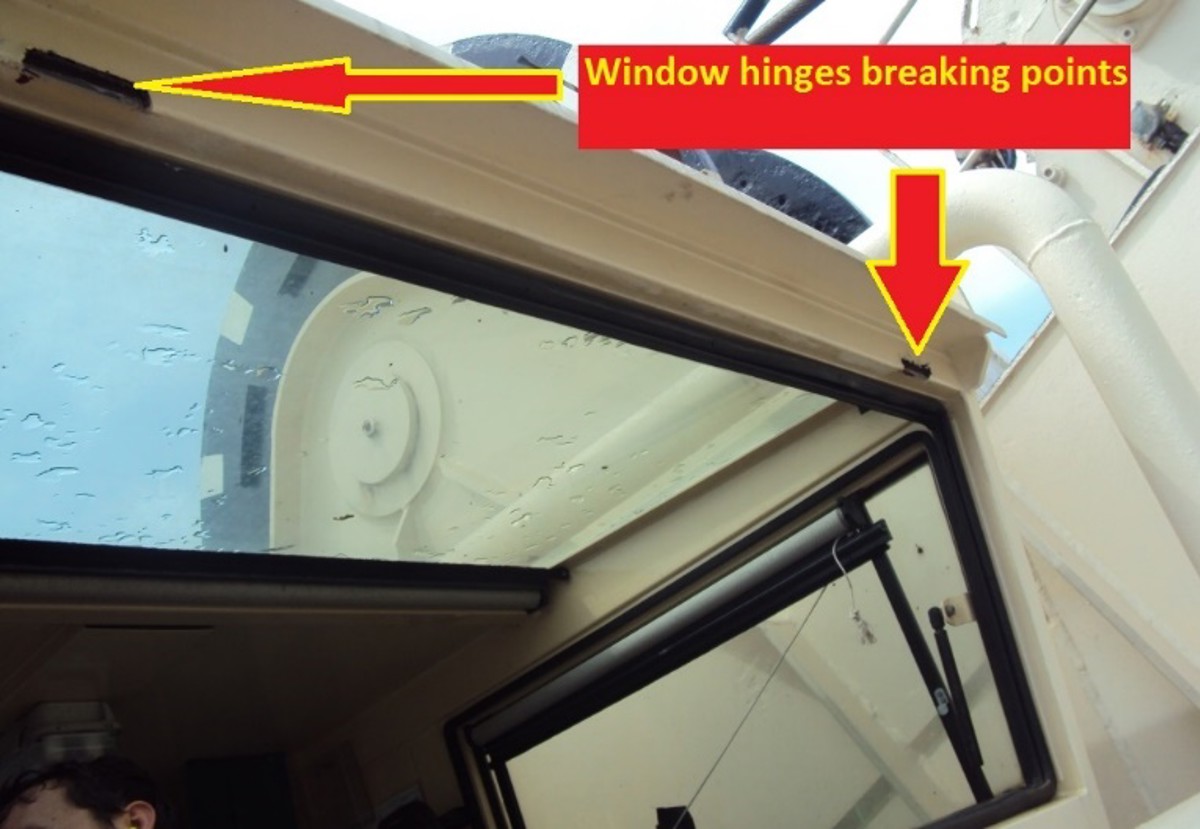
While waiting, the crane operator noticed a grease stain on the outside of the cabin wind shield. He opened the cabin upper window from the inside, in order to make it easier to clean the stain, when the hinges failed and the window fell out and down to the main deck.
The crane operator immediately shouted to deck personnel to watch out as the window was falling down. Everyone got clear; no one was hurt as no one was under the crane cabin at that time.
Our Member held a “safety stand down” and a dropped object hazard hunt was conducted on the main deck.
What went wrong? What were the causes?
The hinges on the crane window failed, and the window fell out. Causal factors include:
- inadequate design/construction of window/crane cabin
- inadequate maintenance/inspection of the crane window/crane cabin
- awareness of working at height, or of dropped object risks, may not extend to commonly unnoticed parts of the infrastructure of the vessel, platform or even of buildings, for example, windows.
Actions
- Review, design and propose a new upper window hinge connection. This will apply to any other window hinge connections that are identical or similar.
- Develop checklist to address the inspection of windows, doors and hinge connections elsewhere.
- Correspond with the window/hinge manufacturer on the deeper causes of the hinges failing.
Parts, pieces, or debris falling from cranes – for whatever reason – remains a significant cause of dropped object reports amongst IMCA members.
For a list of IMCA safety flash incidents relating to objects dropped from cranes, search our Safety Flashes using search terms 'crane' and 'dropped'.
IMCA Safety Flashes summarise key safety matters and incidents, allowing lessons to be more easily learnt for the benefit of the entire offshore industry.
The effectiveness of the IMCA Safety Flash system depends on the industry sharing information and so avoiding repeat incidents. Incidents are classified according to IOGP's Life Saving Rules.
All information is anonymised or sanitised, as appropriate, and warnings for graphic content included where possible.
IMCA makes every effort to ensure both the accuracy and reliability of the information shared, but is not be liable for any guidance and/or recommendation and/or statement herein contained.
The information contained in this document does not fulfil or replace any individual's or Member's legal, regulatory or other duties or obligations in respect of their operations. Individuals and Members remain solely responsible for the safe, lawful and proper conduct of their operations.
Share your safety incidents with IMCA online. Sign-up to receive Safety Flashes straight to your email.