LTI: Eye injury following incident with microwaved food
- Safety Flash
- Published on 9 November 2016
- Generated on 27 October 2026
- IMCA SF 30/16
- 2 minute read
A Member has reported an incident in which someone suffered an eye injury following being hit in the face by food taken from a microwave oven.
What happened?
The incident occurred when a crew member reheated pre-cooked poached eggs by covering them in water in a bowl covered with pierced cling film and heating in a microwave oven. The eggs were reheated at two cycles of two minutes at 900W of power and then removed from the oven. Approximately a minute after removal from microwave, the contents of the bowl blew up into the person’s face. Despite the wearing of prescription safety glasses (see photo) and the prompt action of an adjacent crew member in applying copious amounts of cold water, a resultant burn to the eye necessitated a medevac for assessment and further treatment onshore.
Fortunately the burns, although painful, healed rapidly and the injured person was able to return to work after two weeks.
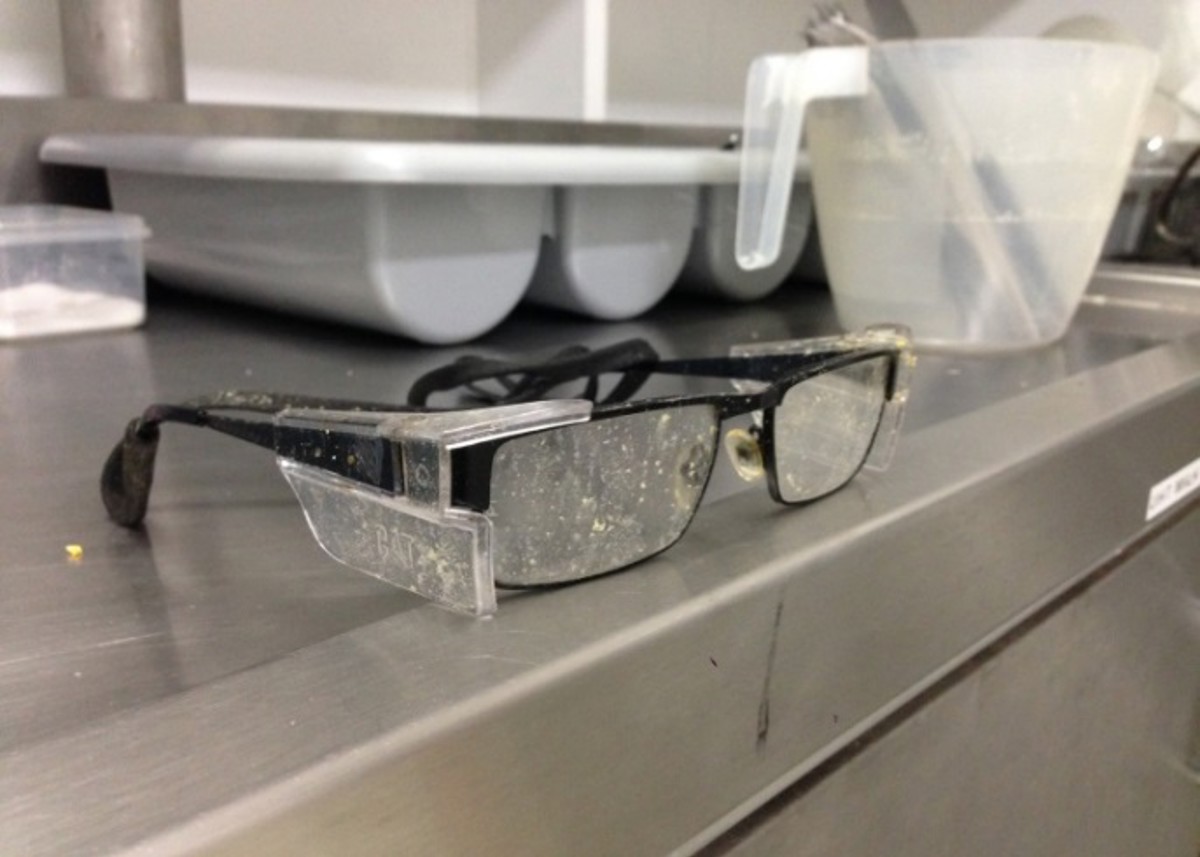
Our member’s investigation revealed the following contributory factors:
- Although the reheating of pre-cooked poached eggs occurred frequently, there was no standard method or written instructions for doing so.
- The ‘normal’ method of immersing the eggs in several changes of hot water was not universally understood.
- The warnings in the microwave oven instruction book regarding the heating of poached eggs was not heeded (the yolk has to be pierced before heating).
- There were no warning signs posted on or adjacent to the microwave oven.
- Familiarisation training for new crew did not include the use of this equipment.
- There was poor perception of the risks inherent in the use of a microwave oven.
- There was no recognition of it being ‘work equipment’. As a consequence, no importance was attached to a suitable or sufficient risk assessment for the microwave oven or any other pantry equipment, or to risk assessment for associated pantry/mess-room tasks not part of the normal professional operation of the galley.
Related Safety Flashes
-
IMCA SF 01/00
1 January 2000
IMCA Safety Flashes summarise key safety matters and incidents, allowing lessons to be more easily learnt for the benefit of the entire offshore industry.
The effectiveness of the IMCA Safety Flash system depends on the industry sharing information and so avoiding repeat incidents. Incidents are classified according to IOGP's Life Saving Rules.
All information is anonymised or sanitised, as appropriate, and warnings for graphic content included where possible.
IMCA makes every effort to ensure both the accuracy and reliability of the information shared, but is not be liable for any guidance and/or recommendation and/or statement herein contained.
The information contained in this document does not fulfil or replace any individual's or Member's legal, regulatory or other duties or obligations in respect of their operations. Individuals and Members remain solely responsible for the safe, lawful and proper conduct of their operations.
Share your safety incidents with IMCA online. Sign-up to receive Safety Flashes straight to your email.