Lone worker collapsed at onshore site
- Safety Flash
- Published on 16 April 2024
- Generated on 6 August 2026
- IMCA SF 08/24
- 3 minute read
A person collapsed at a workshop facility due to a non-work related, pre-existing medical condition.
What happened?
A person collapsed at a workshop facility due to a non-work related, pre-existing medical condition. The person was unable to call for help and was not discovered until the following day. While carrying out routine activity at an onshore operational site, the worker collapsed in a workshop facility. The person was working alone, and despite having a phone, was unable to call for help.
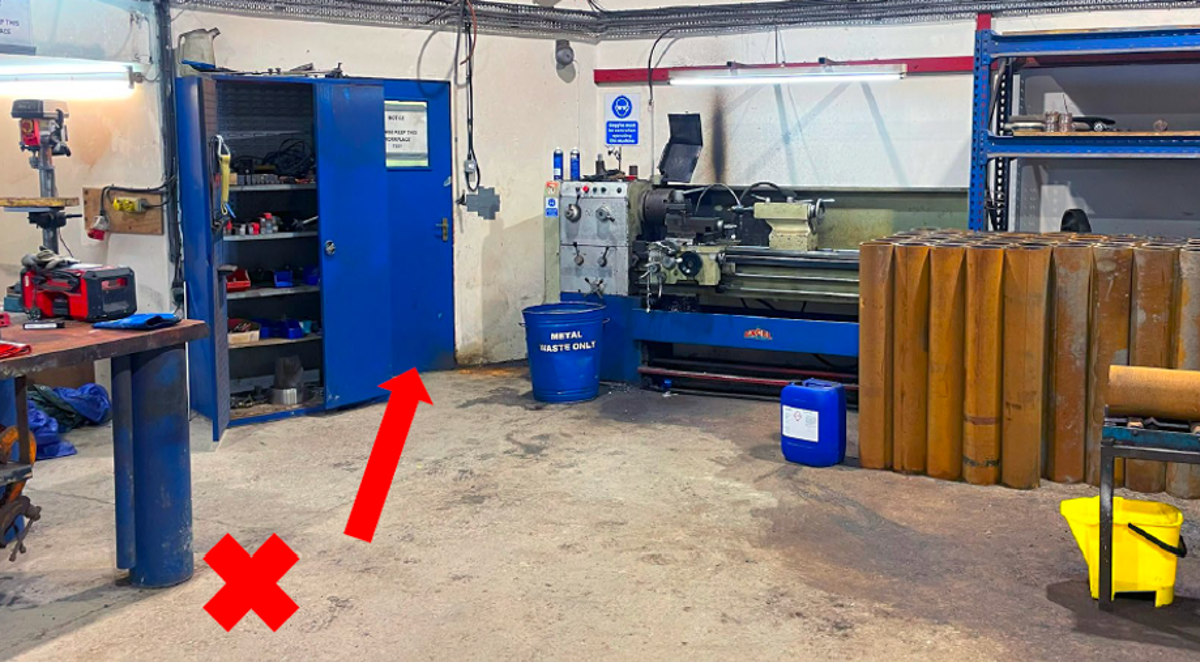
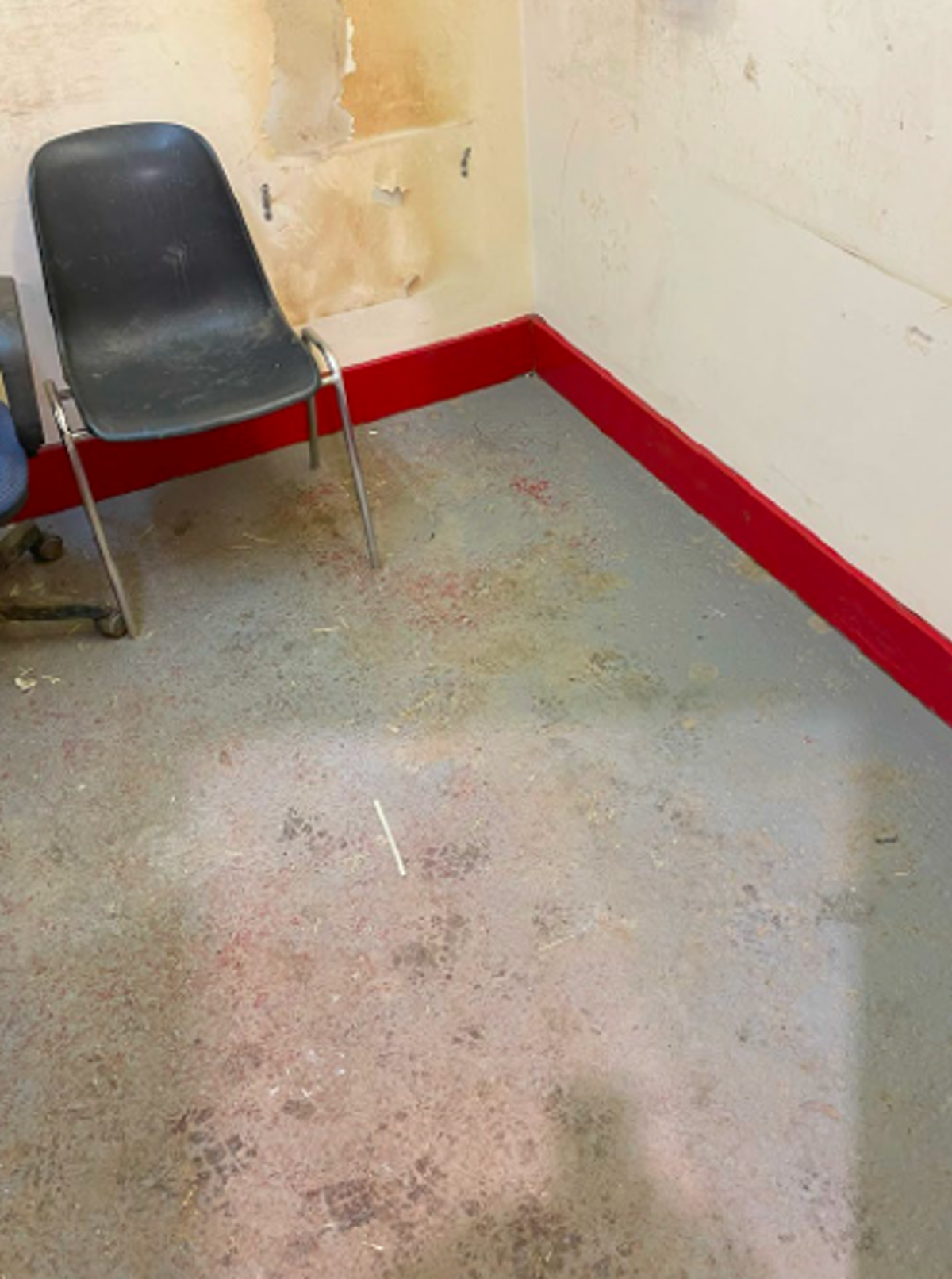
Following collapsing, the person was able to move from the general workshop area into a disused office area. The person was not discovered until the following day, when a colleague entered the workshop and heard a call for help. First aid was given, prior to a transfer to a local hospital.
Our member asked the following questions:
- What did you expect to happen? In the event of a medical emergency, the individual and/or team would be able to raise alarm and call for help without delay.
- What actually happened? After collapsing in the workshop, the person was unable to raise the alarm and was not found until the next working day.
- What was a surprise?
- The length of time it took for the person to be discovered.
- No measures were in place to track personnel movement when working unaccompanied for significant periods of time.
- Security patrols did not identify the person, and the sign-in/out system was not consulted to confirm that all personnel had left the site at the end of the day.
- What prevented this from being worse than it was? Another person went into the workshop to use the lathe and heard a call for help.
- What went well, and why? Once the person was discovered the alarm was quickly raised and the first aid protocol worked as intended.
- What did we learn that could help others?
- The importance of suitable arrangements to monitor and track lone workers, inclusive of security patrols/checks.
- Ensuring robust pre-employment medical screening and health surveillance measures to identify personnel who may be classed as vulnerable.
- Consideration of the use of fall alarms for lone workers, which can automatically alert on-call service in the event that an individual falls or collapses.
Actions
- Fully understand what “lone working” is – a “Lone “Worker” is someone who works unaccompanied for significant periods of time, either without close or direct supervision, contact with other personnel or who work alone in a remote work area.
- Ensure lone working is subjected to a task risk assessment which addresses the following areas:
- Foreseeable emergencies e.g., illness and accidents.
- Access and egress (entry and exit) arrangements.
- Risk of violence.
- Vulnerable persons or young workers if they work alone.
- Local legislative requirements.
- The level of supervision required.
- Experience level of employee who may need to be accompanied at first until they are confident and competent in the activity.
Members may wish to refer to:
IMCA Safety Flashes summarise key safety matters and incidents, allowing lessons to be more easily learnt for the benefit of the entire offshore industry.
The effectiveness of the IMCA Safety Flash system depends on the industry sharing information and so avoiding repeat incidents. Incidents are classified according to IOGP's Life Saving Rules.
All information is anonymised or sanitised, as appropriate, and warnings for graphic content included where possible.
IMCA makes every effort to ensure both the accuracy and reliability of the information shared, but is not be liable for any guidance and/or recommendation and/or statement herein contained.
The information contained in this document does not fulfil or replace any individual's or Member's legal, regulatory or other duties or obligations in respect of their operations. Individuals and Members remain solely responsible for the safe, lawful and proper conduct of their operations.
Share your safety incidents with IMCA online. Sign-up to receive Safety Flashes straight to your email.