Near miss: Potential fire – overheating of oil in deep frying pan
- Safety Flash
- Published on 12 March 2019
- Generated on 26 October 2026
- IMCA SF 04/19
- 2 minute read
One of the engine room crew members came into the galley and noticed smoke coming from the oil which was in the deep-frying pan.
What happened?
The engineer, working with the cook who was in the galley during that time, checked the temperature of the oil in the deep-frying pan using a digital thermometer from the galley. The digital thermometer showed at out of range limit. The maximum for this thermometer was 200 °C; therefore, the oil was above 200 °C.
The deep-frying pan was switched off and a lock out/tag out was applied for further investigation. The frying pan was allowed to cool down and the oil drained out. When the oil from the deep-frying pan was cooled down and drained it was noticed that the temperature sensor elements of both thermostats were not in the original place.
After the temperature sensor elements were put back in the correct place, the deep-frying pan was filled with oil again; both thermostats (temperature control thermostat and safety/maximum temperature thermostat) were tested and found to be in good working order.
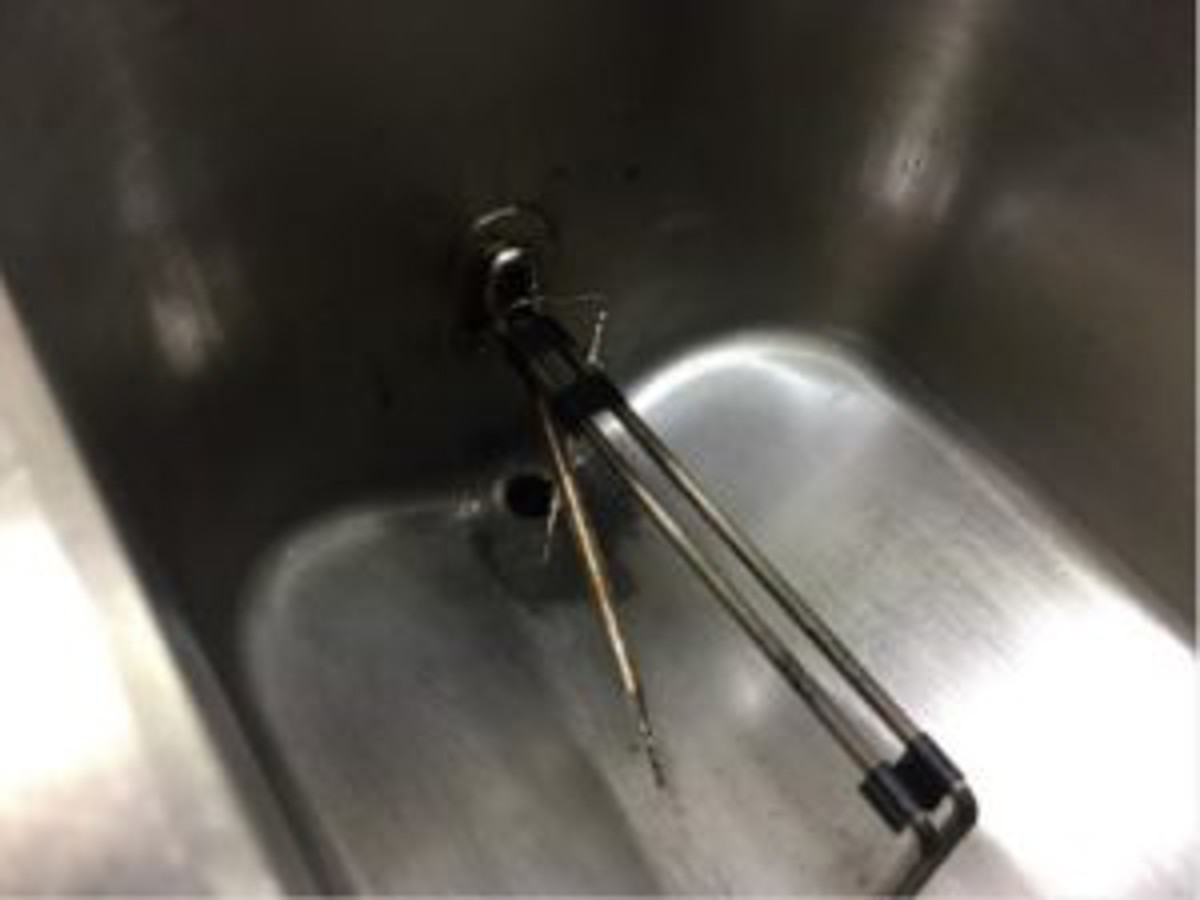
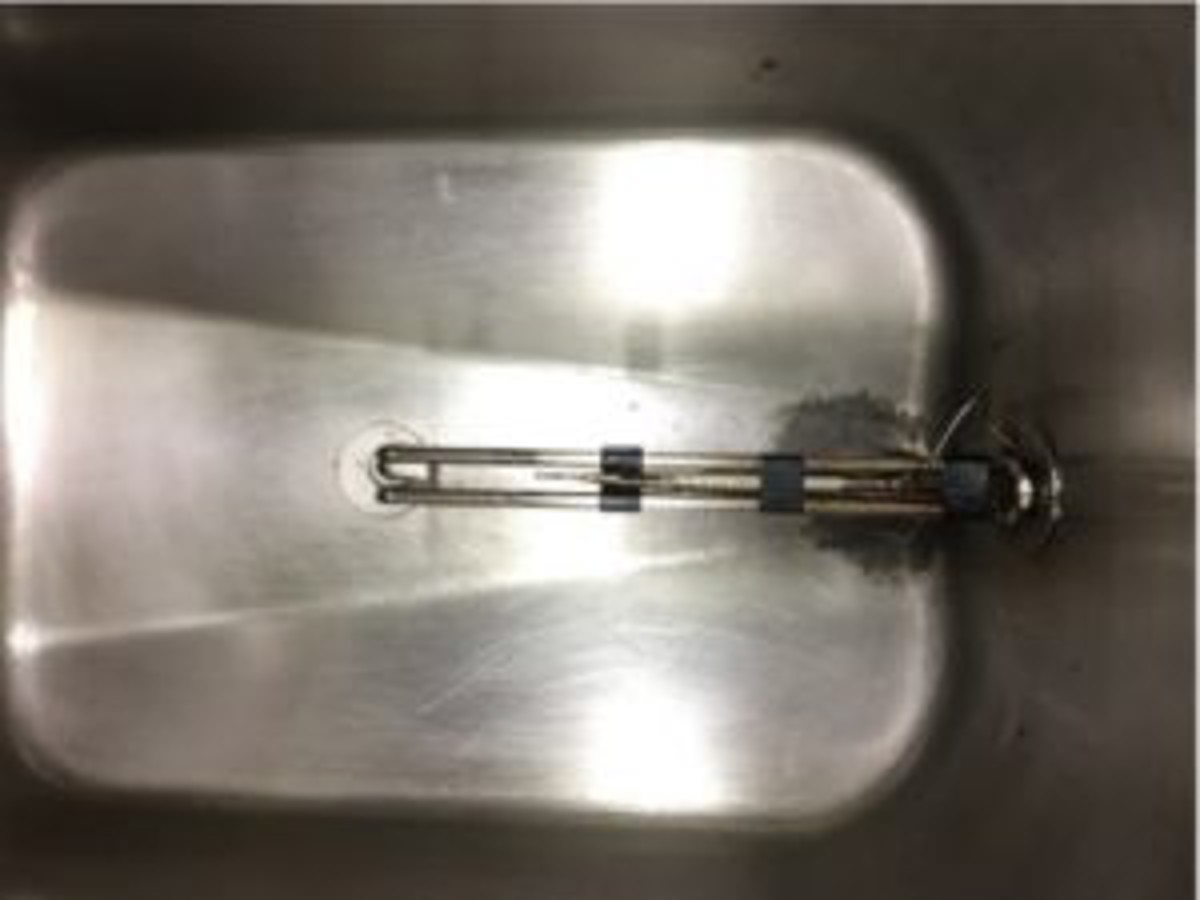
temperature sensors
What went wrong?
- Temperature sensor elements of both thermostats were not fitted in the original place.
- The galley crew were not aware of the function of the temperature sensor elements inside the deep-fryer, nor of the potential consequences if those sensor elements were in the wrong place.
What were the causes?
- Lack of awareness
- Lack of familiarity with equipment
What actions were taken? What lessons were learned?
- Clear instructions provided for galley crew about the cleaning of a deep-frying pan, including ensuring that the galley crew are aware of proper positioning of the temperature sensors inside the deep-frying pan during the cleaning process, and know not to move them.
- Recommend check of positioning of temperature sensors on similar equipment in galleys on other vessels.
- On this specific vessel, replace thermostat sensors in the original position and check thermostats with a calibrated temperature probe.
Related Safety Flashes
-
IMCA SF 12/17
25 May 2017
-
-
IMCA SF 06/17
21 March 2017
-
-
IMCA SF 07/11
19 July 2011


IMCA Safety Flashes summarise key safety matters and incidents, allowing lessons to be more easily learnt for the benefit of the entire offshore industry.
The effectiveness of the IMCA Safety Flash system depends on the industry sharing information and so avoiding repeat incidents. Incidents are classified according to IOGP's Life Saving Rules.
All information is anonymised or sanitised, as appropriate, and warnings for graphic content included where possible.
IMCA makes every effort to ensure both the accuracy and reliability of the information shared, but is not be liable for any guidance and/or recommendation and/or statement herein contained.
The information contained in this document does not fulfil or replace any individual's or Member's legal, regulatory or other duties or obligations in respect of their operations. Individuals and Members remain solely responsible for the safe, lawful and proper conduct of their operations.
Share your safety incidents with IMCA online. Sign-up to receive Safety Flashes straight to your email.