Diving bell TUP O-ring seal damage
- Safety Flash
- Published on 3 May 2017
- Generated on 13 October 2026
- IMCA SF 09/17
- 2 minute read
During the locking on of the diving bell to the saturation system on a DSV, difficulty was encountered in closing the locking clamp.
What happened?
After a few attempts, the clamp was successfully closed and the interlock pin inserted proving correct closure of the clamp.
During pressurisation of the trunking a leak was detected, the pressurisation stopped, and the clamp opened up for further inspection and fault finding.
A damaged O ring was discovered and changed out. The bell was then successfully mated and the divers transferred to the living chambers.
What went wrong?
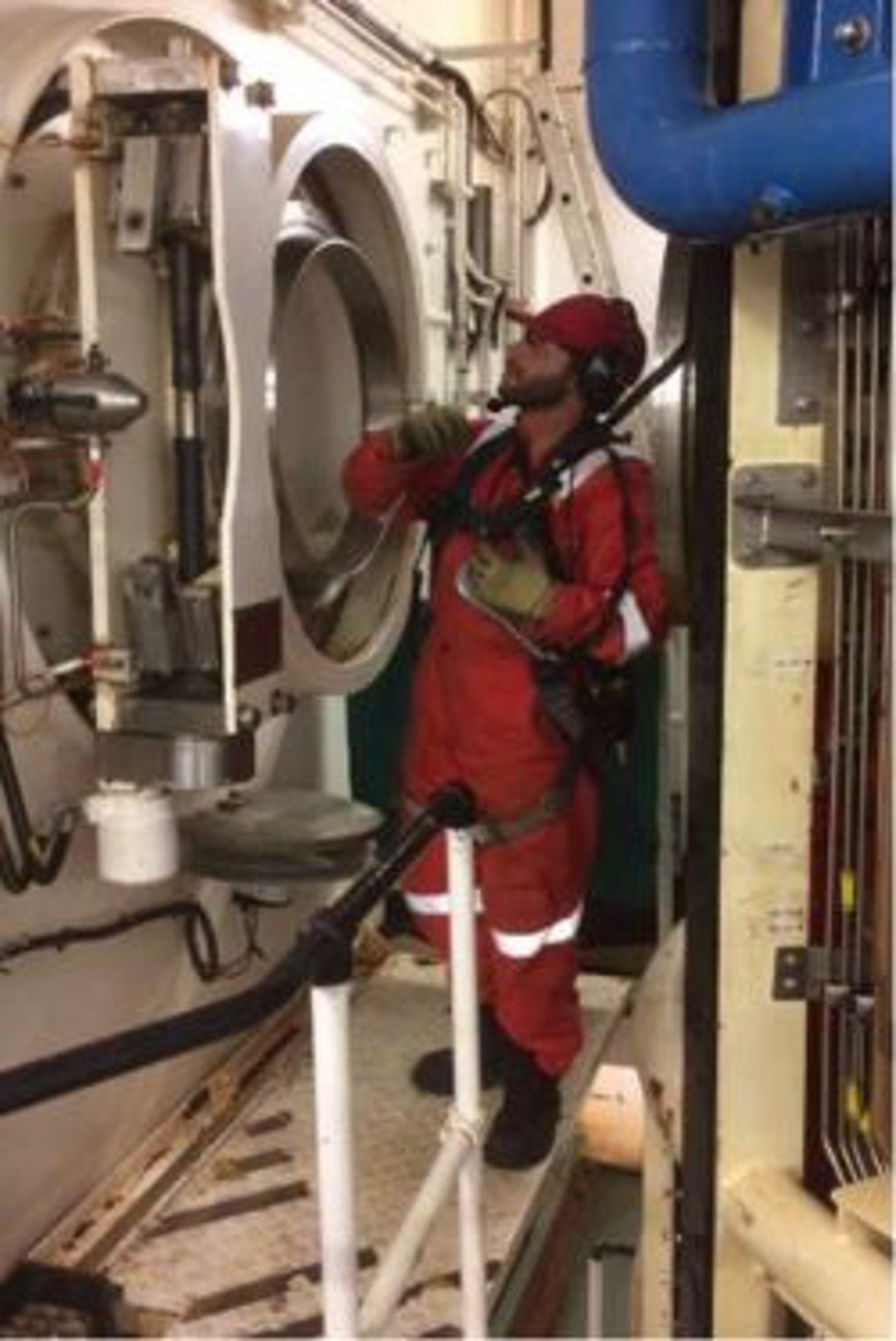
When the bell was trolleyed back and access platforms raised to access the sealing faces, the O ring seal was found to have been damaged.
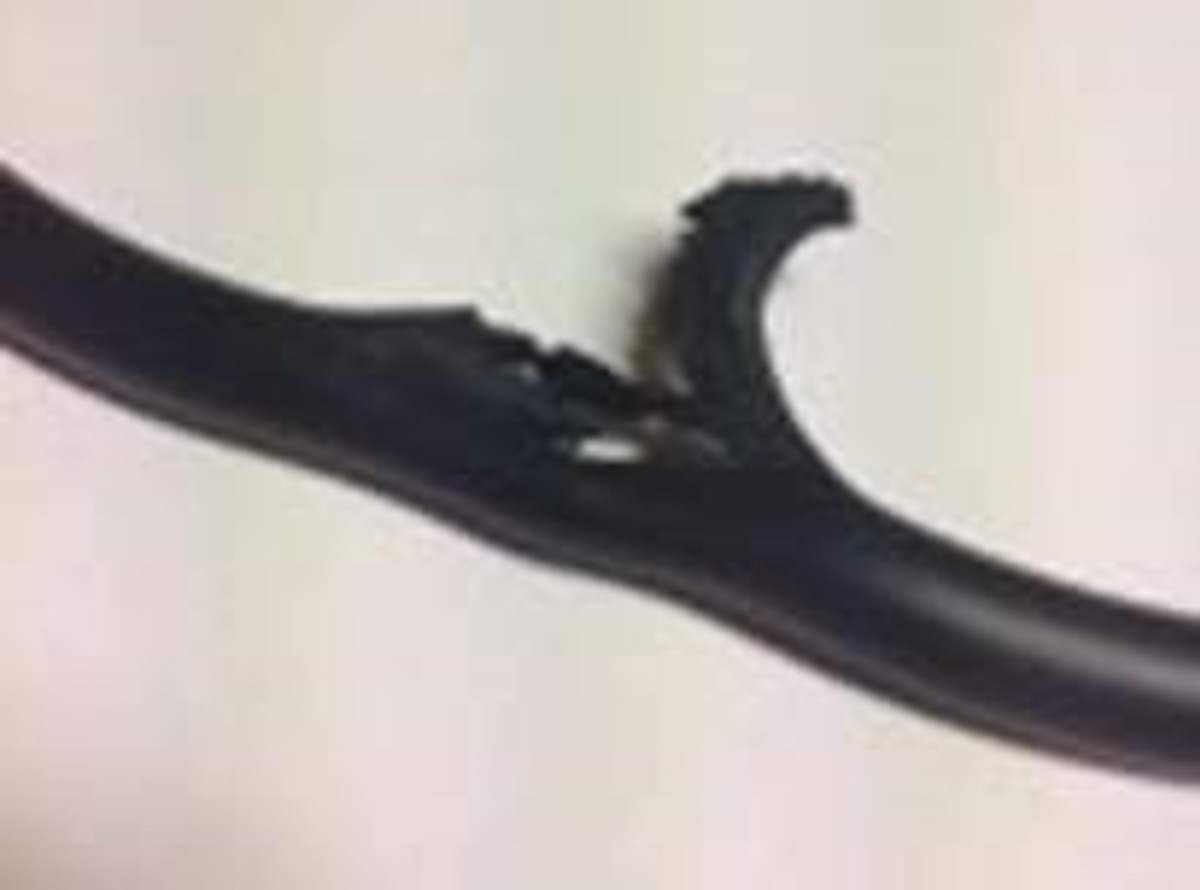
The O ring had become displaced prior to the bell mating, and a section of the O ring had come out of its groove. When the bell was mated, the O ring prevented the two faces from coming into correct alignment and the clamp would not close fully to allow the interlock to engage.
During repeated clamp closures, the O ring was damaged but pushed back into the groove and until the clamp closed fully and the interlock engaged.
The subsequent pressurisation procedure proved there was a leak past the O ring and the bell mating was ceased and the leak investigated.
What caused the incident?
The incident was caused by the damage to an O ring which had become misplaced. The O ring seal had not been fully inspected either by sight or touch before the bell lock off and reconnection, and this misplacement had not been identified.
Access to carry out this full inspection was difficult requiring working at height equipment and was only carried out on a scheduled basis and not every bell run.
Lesson learned and actions taken
- Lesson learned:
- Bell mating flanges and seals should be inspected between every bell run to ensure they are in correct location and in good condition.
- Bell mating flanges and seals should be inspected between every bell run to ensure they are in correct location and in good condition.
- Actions taken:
- A process is now in place requiring the inspection and recording of the bell mating flange faces and seal.
- Access has been improved to carry out this task without the need for specialist work methods and associated personal protective equipment (PPE).
- A process is now in place requiring the inspection and recording of the bell mating flange faces and seal.
Related safety flashes
-
IMCA SF 10/04
1 December 2004
IMCA Safety Flashes summarise key safety matters and incidents, allowing lessons to be more easily learnt for the benefit of the entire offshore industry.
The effectiveness of the IMCA Safety Flash system depends on the industry sharing information and so avoiding repeat incidents. Incidents are classified according to IOGP's Life Saving Rules.
All information is anonymised or sanitised, as appropriate, and warnings for graphic content included where possible.
IMCA makes every effort to ensure both the accuracy and reliability of the information shared, but is not be liable for any guidance and/or recommendation and/or statement herein contained.
The information contained in this document does not fulfil or replace any individual's or Member's legal, regulatory or other duties or obligations in respect of their operations. Individuals and Members remain solely responsible for the safe, lawful and proper conduct of their operations.
Share your safety incidents with IMCA online. Sign-up to receive Safety Flashes straight to your email.