Unauthorised boarding and theft from vessel at anchor
- Safety Flash
- Published on 15 April 2026
- Generated on 15 October 2026
- IMCA SF 07/26
- 2 minute read
An unknown individual boarded a vessel at anchor during night hours.
What happened?
An unknown individual boarded a vessel at anchor during night hours. The intruder most likely accessed the vessel from the forward mooring area using a small boat, and entered the accommodation through an unsecured access door. Personal belongings were stolen from crew cabins. CCTV records later captured one individual on the forecastle deck using a heaving line to descend from the vessel. No crew members were injured and there was no operational impact to the vessel.
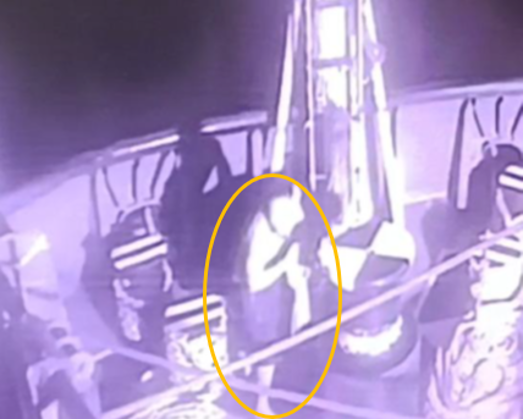 |
| Intruder making their escape |
Why did it happen?
There was inadequate vigilance during the night watch in an anchorage known to be at high risk from theft. The Accommodation access door was left unsecured, allowing unauthorized entry to the vessel. The external deck areas were not adequately monitored during night watch, reducing the likelihood of early detection. Better control of vessel access whilst the vessel was at anchor, might have prevented the occurrence. Regular security rounds might have deterred the intruder or caught them earlier.
What do we learn?
- Exercise increased vigilance during night watch, particularly in high-risk anchorage areas.
- Ensure non-emergency accommodation access doors remain closed and locked at all times, while emergency exits remain unobstructed and capable of being opened from the inside.
- It is important to maintain effective night watchkeeping and proper monitoring of external deck areas.
- The Ship Security Plan (SSP) exists for a reason – follow its requirements at all times. Conduct regular security rounds and maintain strict vessel access control.
- Our Member ensured the further promotion of security awareness during toolbox meetings and crew briefings, and conducted periodic security drills to reinforce and practice crew response to unauthorized boarding.
Related Safety Flashes
-
IMCA SF 06/24
19 March 2024
-
IMCA SF 12/19
28 May 2019
IMCA Safety Flashes summarise key safety matters and incidents, allowing lessons to be more easily learnt for the benefit of the entire offshore industry.
The effectiveness of the IMCA Safety Flash system depends on the industry sharing information and so avoiding repeat incidents. Incidents are classified according to IOGP's Life Saving Rules.
All information is anonymised or sanitised, as appropriate, and warnings for graphic content included where possible.
IMCA makes every effort to ensure both the accuracy and reliability of the information shared, but is not be liable for any guidance and/or recommendation and/or statement herein contained.
The information contained in this document does not fulfil or replace any individual's or Member's legal, regulatory or other duties or obligations in respect of their operations. Individuals and Members remain solely responsible for the safe, lawful and proper conduct of their operations.
Share your safety incidents with IMCA online. Sign-up to receive Safety Flashes straight to your email.