Fire hydrants fitted with incorrect coupling size
- Safety Flash
- Published on 21 September 2015
- Generated on 28 May 2026
- IMCA SF 13/15
- 2 minute read
A Member has reported an incident in which replacement fire hydrants were found to be fitted with incorrect coupling sizes, leading to them being incompatible with fire hose couplings. This would have severely impacted the firefighting capabilities of the vessel.
What happened?
The incident occurred following a number of earlier occasions in the previous five years in which fire hydrant valves in the accommodation had been found leaking. Replacement hydrants were ordered and fitted, but the couplings were found to be incompatible.
It was found that the coupling on the hydrant valve in the port side forward thruster room did not fit the adjacent fire hose coupling. The hose coupling measured 65mm and the hydrant coupling measured 80mm.
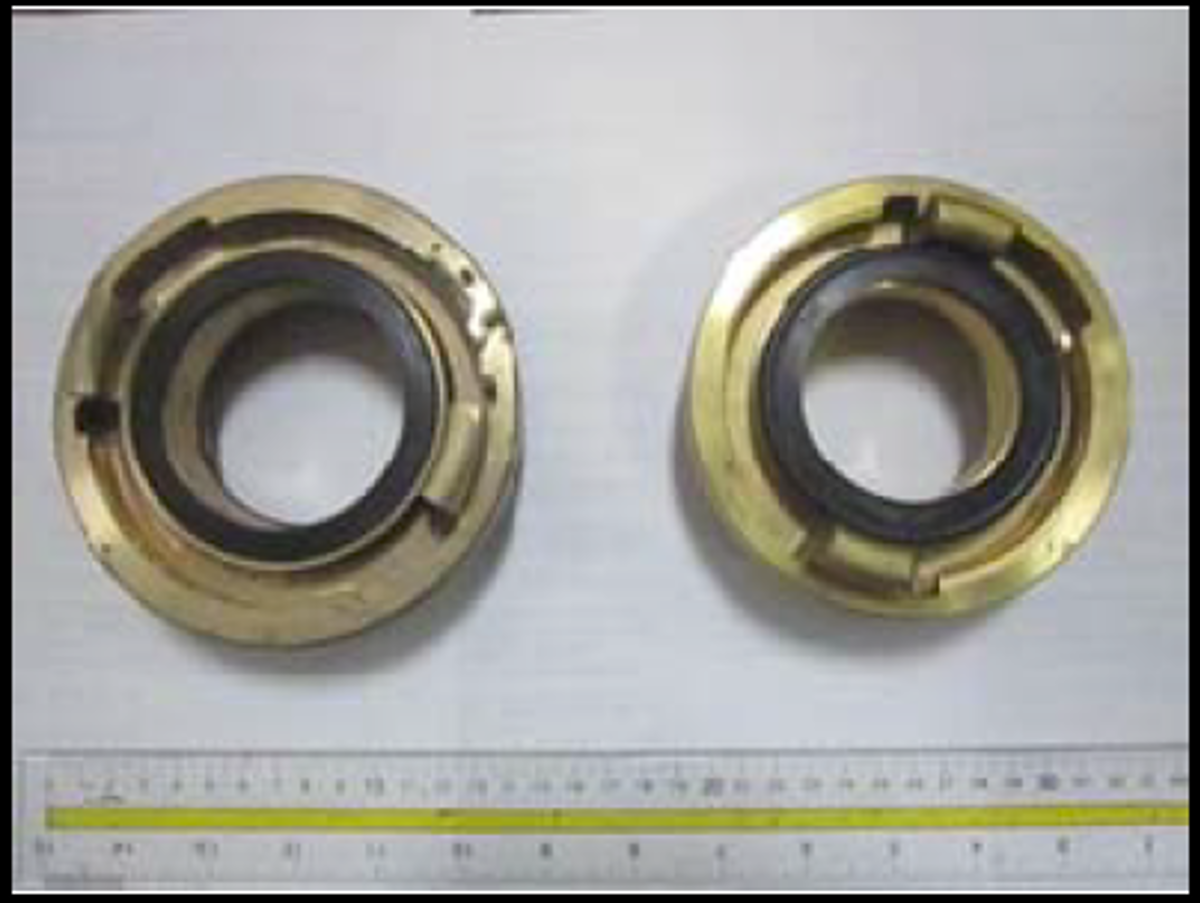
65mm hose coupling on right and 80mm hydrant coupling on left
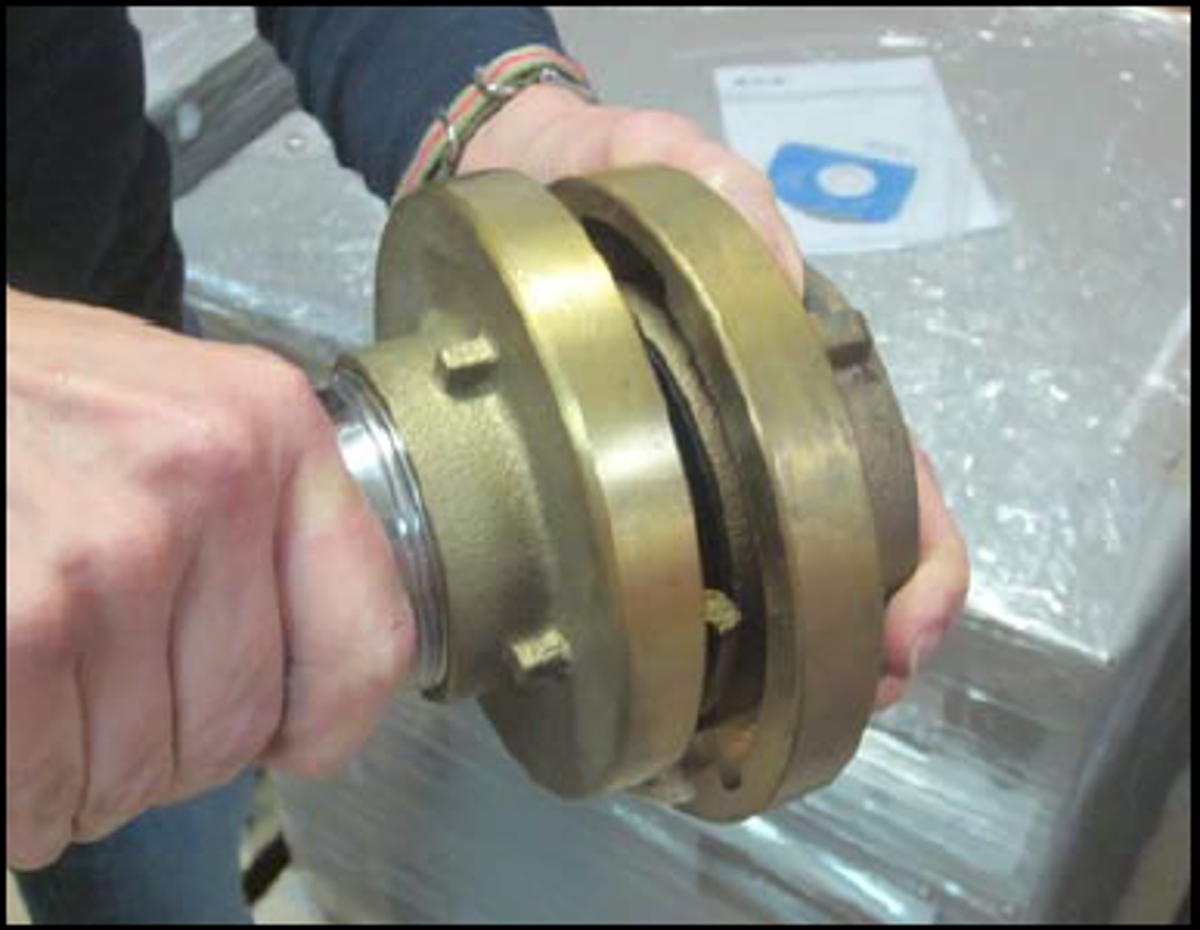
80mm hydrant coupling not compatible with 65mm hose coupling
Photo 3
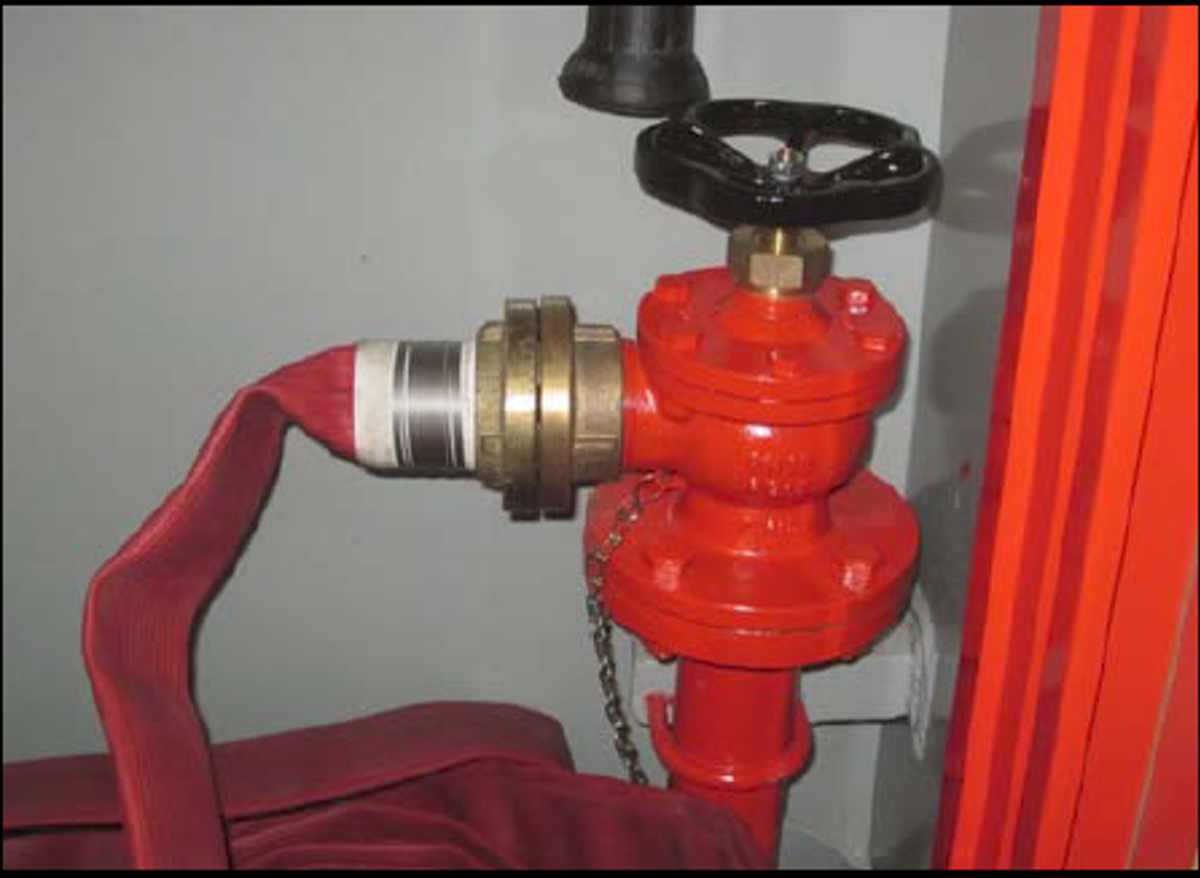
fire hydrant with correct 65mm coupling (compatible with 65mm hose coupling)
Findings
Our member’s investigation revealed the following:
- The hydrant/hose coupling incompatibility was not followed up in a timely manner. Six days elapsed between the discovery of the incompatibility and a Hazard Observation being made.
- A total of thirty hydrant couplings were found with 80mm couplings fitted instead of 65mm couplings. Had there been a fire these thirty couplings (incompatible) on the fire hydrants would not have been serviceable.
- Firefighting capabilities were not entirely restricted as the outside accommodation fire hydrants on each deck were still pressurised and compatible with the fire hoses onboard and the shipboard accommodation sprinkler fire suppression system was available.
Lessons learnt
The lessons learnt:
- The need for vigilance and the importance of thorough inspections and correctly completing all checklists, including examination for missing or improperly installed components.
- Lack of attention/due care/poor work practice.
- Failure to identify incorrect fire hydrant valve couplings during installation of valves.
- The thirty incompatible fire hydrant valve couplings were fitted in May 2014 and this had not been spotted for many months, despite maintenance, safety inspections and drills.
- When incidents, near misses, issues or concerns are reported, they should be followed up in a timely manner.
Actions
Members may wish to check their own fire-fighting equipment, to carefully and thoroughly inspect all equipment when first received, and to ensure that during fire drills, hoses are properly run and connected to hydrants, including in the accommodation areas.
Related safety flashes
-
IMCA SF 19/14
18 December 2014
-
IMCA SF 07/13
9 May 2013
IMCA Safety Flashes summarise key safety matters and incidents, allowing lessons to be more easily learnt for the benefit of the entire offshore industry.
The effectiveness of the IMCA Safety Flash system depends on the industry sharing information and so avoiding repeat incidents. Incidents are classified according to IOGP's Life Saving Rules.
All information is anonymised or sanitised, as appropriate, and warnings for graphic content included where possible.
IMCA makes every effort to ensure both the accuracy and reliability of the information shared, but is not be liable for any guidance and/or recommendation and/or statement herein contained.
The information contained in this document does not fulfil or replace any individual's or Member's legal, regulatory or other duties or obligations in respect of their operations. Individuals and Members remain solely responsible for the safe, lawful and proper conduct of their operations.
Share your safety incidents with IMCA online. Sign-up to receive Safety Flashes straight to your email.