Incidents relating to hatches and doors
- Safety Flash
- Published on 12 July 2021
- Generated on 15 October 2026
- IMCA SF 19/21
- 3 minute read
A Member reports a number of incidents relating to hatches and doors, which can be summarised briefly for our instruction here.
The first two incidents are findings from a tour of the engine room on a management inspection of a vessel.
The third incident is an example of proper exercise of the “Stop Work Authority”.
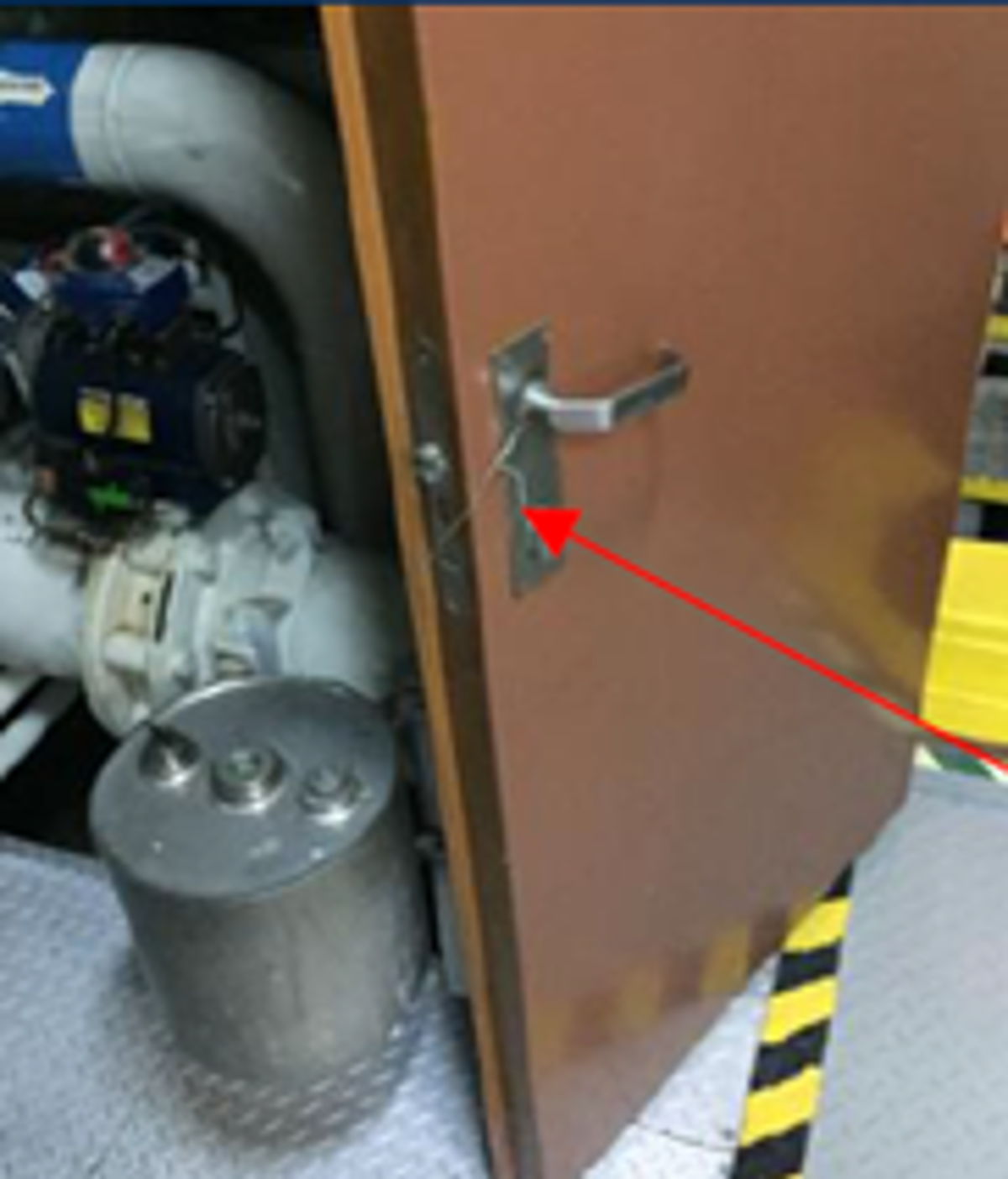
#1: Fire door held open by wire
A fire door in the engine room was observed to be wired open – it was being kept open with a piece of wire.
What went wrong?
Our Member notes:
- Lack of safety awareness of the crew on the fire doors’ main purpose.
- No-one challenged this unsafe condition.
IMCA notes that the deeper question as to WHY the door was wired open, is not dealt with here. Was it for convenience? Was it that the engine room was overheating?
Recommendations
Fire doors should be kept shut because they need to be closed in order to prevent the spread of fire and smoke.
Propping or wedging them open compromises the safety of the vessel crew, putting them at serious risk, should a fire occur.
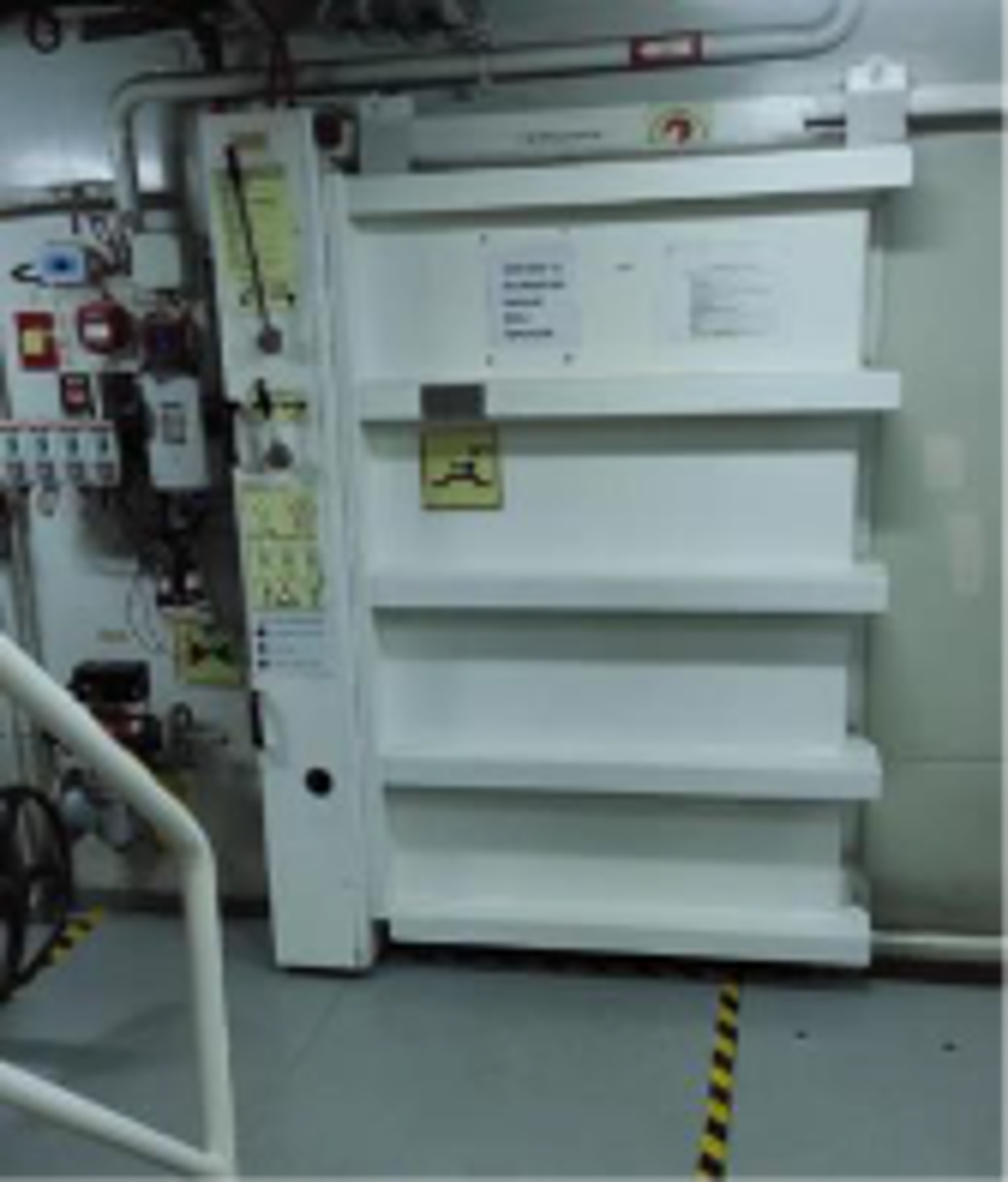
#2: Watertight door left open at sea
-
A vessel watertight door was found left open when the vessel was at sea. Watertight doors are there to prevent the ingress of water from one compartment to other during flooding or other accidents and act as a safety barrier. It is a requirement of SOLAS (section B4, regulation 22) that watertight doors shall be kept closed during navigation, except under certain conditions not met here. This company has it’s own requirement also, that all watertight doors, scuttles, and fittings below the main deck shall remain closed at all times except when actually in use.
A further check revealed no justification for keeping the door open.
What went wrong?
Our member found that persons nearby were not aware of SOLAS or company management requirements.
Recommendations
Ensure everyone understands the basics of why fire doors and watertight doors should be kept closed.
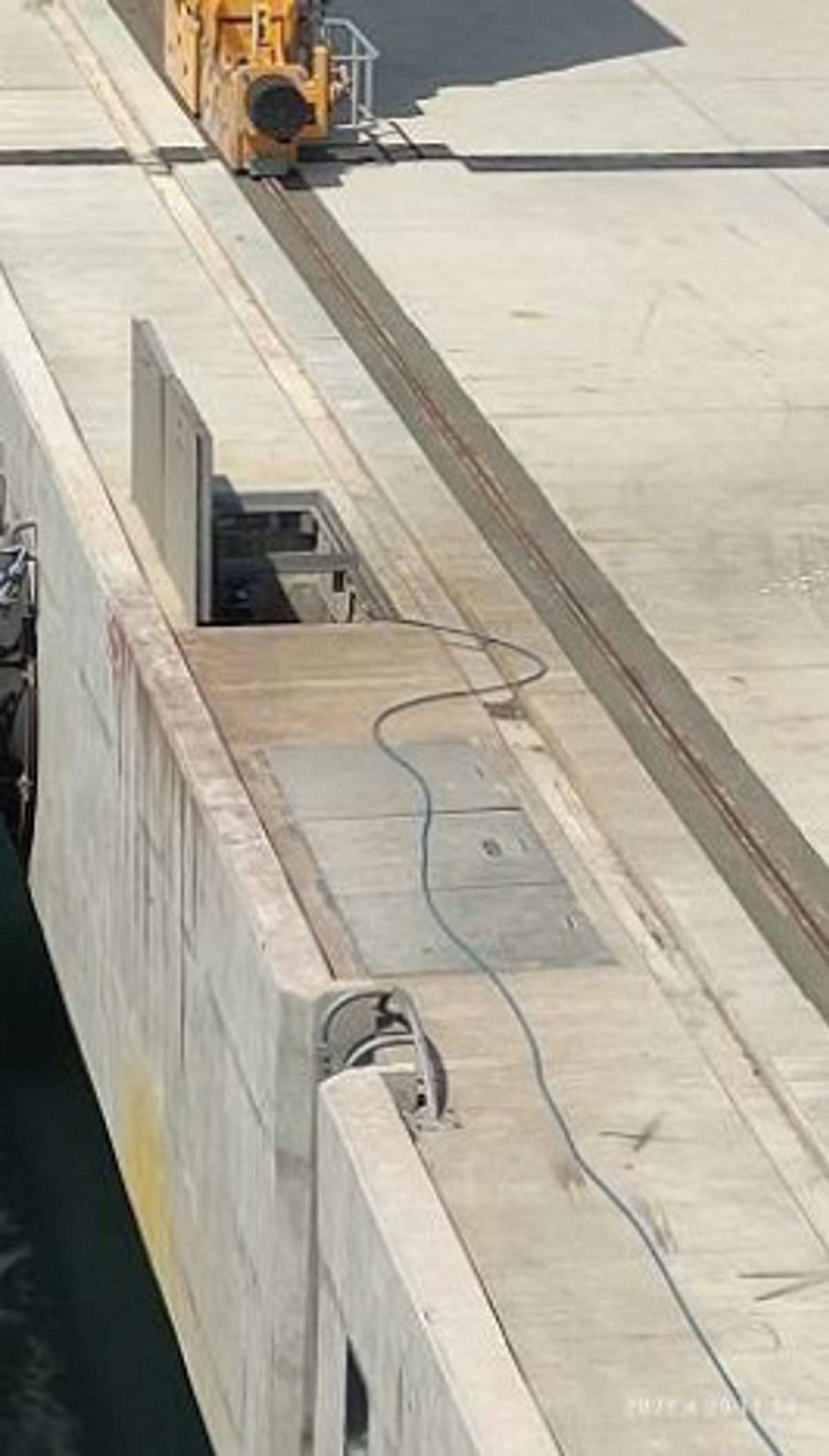
#3: Hatch left open on the quay – a successful intervention prevents a potential accident
Two open hatches on the wharf in close vicinity to the vessel were observed and reported by vessel crew members.
There were no barricades or safety signs installed, despite the potential fall hazard inside from 2m height.
Following this intervention, the hatches were closed and locked by wharf service personnel.
What went right?
The crew challenged an unsafe condition, although it was not directly related to the vessel.
This is an excellent example of proactive application of the principle of “Stop the job”.
Remember that everyone has the authority – and the duty – to STOP THE JOB if work is taking place that is clearly unsafe.
Related Safety Flashes
-
IMCA SF 06/21
23 February 2021
-
-
IMCA SF 20/20
6 July 2020
-
-
IMCA SF 13/20
15 April 2020
-
-
IMCA SF 03/14
13 March 2014
IMCA Safety Flashes summarise key safety matters and incidents, allowing lessons to be more easily learnt for the benefit of the entire offshore industry.
The effectiveness of the IMCA Safety Flash system depends on the industry sharing information and so avoiding repeat incidents. Incidents are classified according to IOGP's Life Saving Rules.
All information is anonymised or sanitised, as appropriate, and warnings for graphic content included where possible.
IMCA makes every effort to ensure both the accuracy and reliability of the information shared, but is not be liable for any guidance and/or recommendation and/or statement herein contained.
The information contained in this document does not fulfil or replace any individual's or Member's legal, regulatory or other duties or obligations in respect of their operations. Individuals and Members remain solely responsible for the safe, lawful and proper conduct of their operations.
Share your safety incidents with IMCA online. Sign-up to receive Safety Flashes straight to your email.