Two yard-based fatal road traffic accidents (UK HSE)
- Safety Flash
- Published on 7 November 2017
- Generated on 25 September 2026
- IMCA SF 28/17
- 2 minute read
The UK's Health and Safety Executive (HSE) reports two fatal road traffic incidents .
Incident 1: Worker fatally crushed between two articulated vehicles
What happened?
The UK Health & Safety Executive (HSE) has prosecuted a road haulage firm after an employee was crushed between two articulated vehicles and subsequently died from his injuries.
A driver suffered fatal injuries when his vehicle rolled forward out of control whilst he was coupling the HGV (heavy goods vehicle) tractor unit to a trailer. See press.hse.gov.uk for original press release.
What went wrong / causes
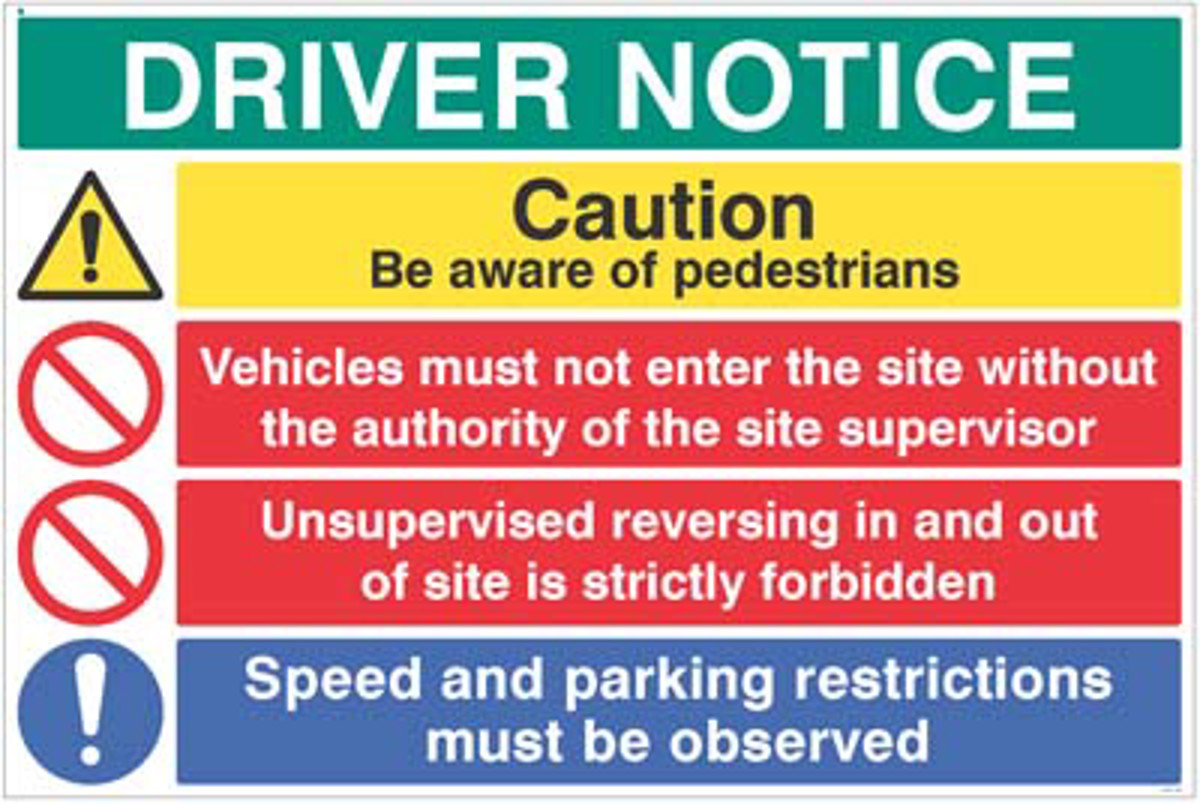
UK HSE investigation found that the company had failed to implement safe systems of work or monitoring arrangements to ensure that its drivers were consistently undertaking coupling and uncoupling operations safely, in line with widely available industry guidance.
As a result of this, a culture developed whereby its drivers were not always applying trailer parking brakes.
Incident 2: Worker died after being struck by a reversing telehandler
-
A worker was struck by a reversing telehandler when crossing the work yard. The worker sustained multiple injuries and later died in hospital.
-
See press.hse.gov.uk for original press release.

What went wrong / causes
UK HSE investigation found that:
- The company had failed to address the management of large vehicle movements on its site.
- The company had not carried out an on-site health and safety inspection.
- The driver of the telehandler involved in the incident had not received any training in operating this vehicle.
The HSE inspector noted:
"This was a wholly avoidable incident, caused by the failure of the company and its director to take simple steps. Vehicle movements...were not controlled even at a basic level at this company’s site. The company failed to have adequate pedestrian segregation measures such as walkways or crossing points in areas where pedestrians walked routinely. Reversing of large vehicles near to pedestrians was commonplace. This was a dangerous mix which led to this tragic incident."
Lessons learnt / Actions taken
IMCA has highlighted these incidents to members for three reasons:
- Owing to the importance of safe traffic management in goods yards, shipyards and on docksides.
- Many members employ haulage companies as sub-contractors.
- As a timely reminder about workplace safety culture: “...a culture developed whereby its drivers were not always applying trailer parking brakes...”, particularly in sub-contractors or further down the supply chain.
Related safety flashes
-
IMCA SF 22/17
1 September 2017
-
-
IMCA SF 04/17
27 February 2017
-
-
IMCA SF 11/16
29 April 2016
IMCA Safety Flashes summarise key safety matters and incidents, allowing lessons to be more easily learnt for the benefit of the entire offshore industry.
The effectiveness of the IMCA Safety Flash system depends on the industry sharing information and so avoiding repeat incidents. Incidents are classified according to IOGP's Life Saving Rules.
All information is anonymised or sanitised, as appropriate, and warnings for graphic content included where possible.
IMCA makes every effort to ensure both the accuracy and reliability of the information shared, but is not be liable for any guidance and/or recommendation and/or statement herein contained.
The information contained in this document does not fulfil or replace any individual's or Member's legal, regulatory or other duties or obligations in respect of their operations. Individuals and Members remain solely responsible for the safe, lawful and proper conduct of their operations.
Share your safety incidents with IMCA online. Sign-up to receive Safety Flashes straight to your email.