Load exceeding safe working load (SWL) leads to overstressed and damaged rigging
- Safety Flash
- Published on 21 December 2017
- Generated on 24 October 2026
- IMCA SF 32/17
- 2 minute read
During a decommissioning operation, shears were used to cut a pipeline.
What happened?
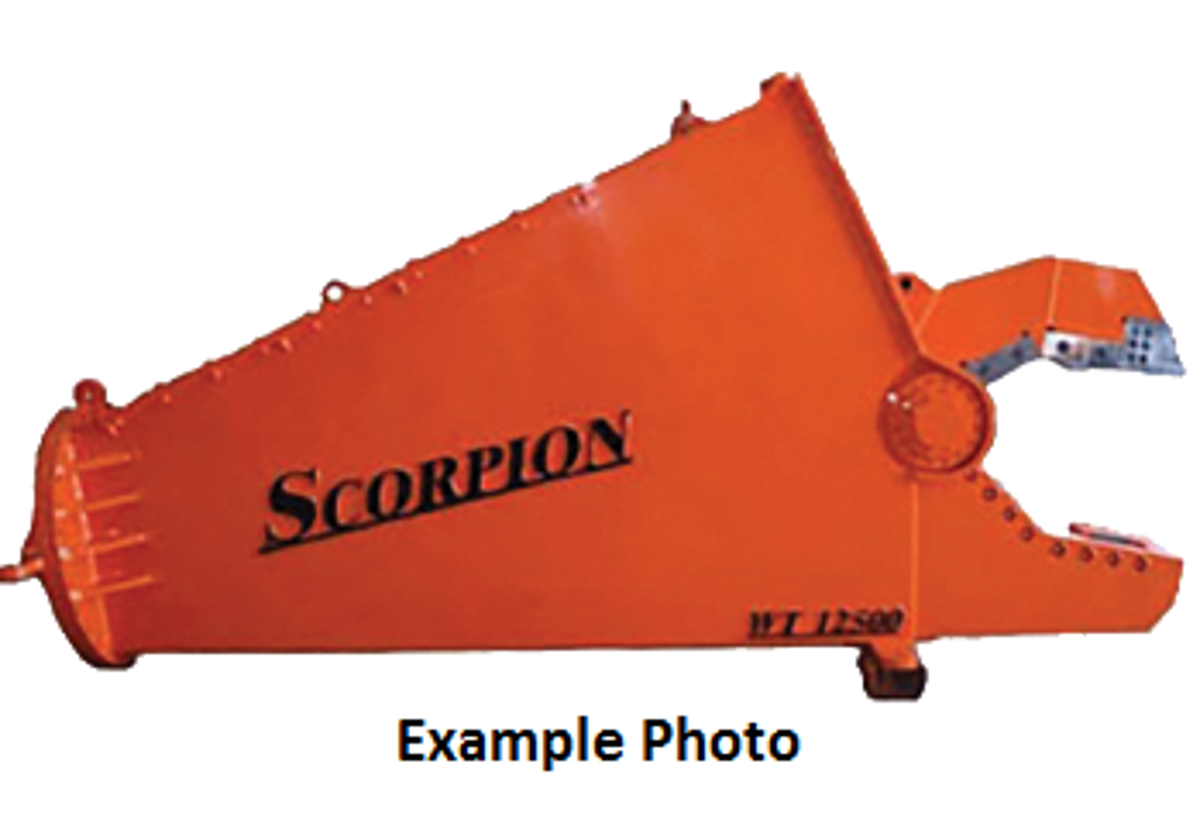
The shear tool was rigged to the crane in a vertical fashion. The shear tool was placed on the pipeline at the cut location and when the shear jaws closed around the pipe to make the cut, the shear tool was pulled downward due to the ‘bird’s beak’ design of the jaws.
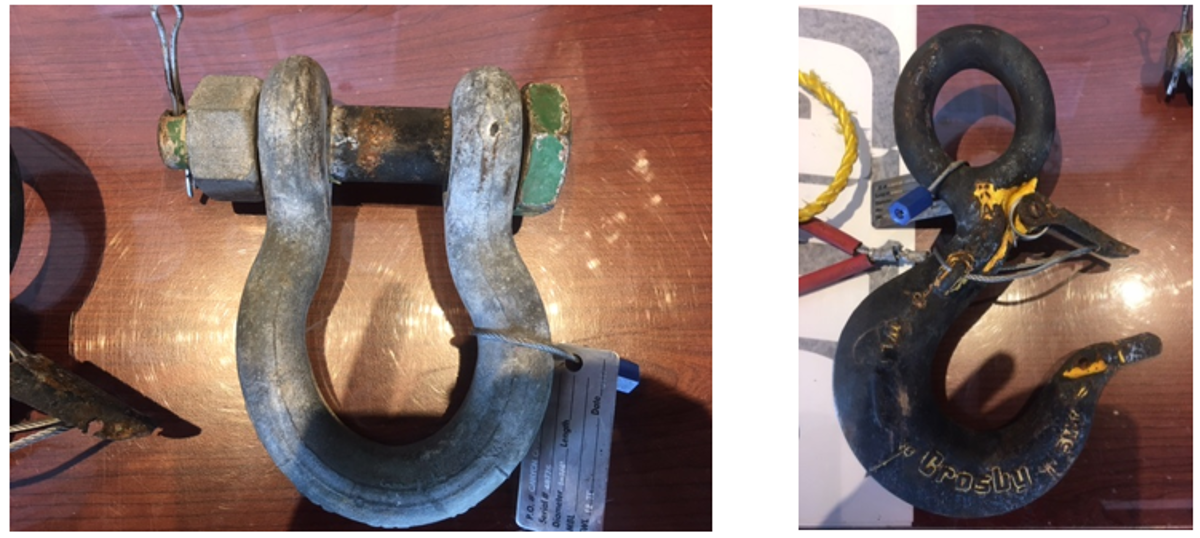
As a result, the load quickly increased the tension on the rigging over the safe working limit (SWL) of the rigging resulting in damage (deformation) to the rigging. The crane operator was instructed to immediately reduce load to an acceptable level.
The shear tool was placed on the seabed and the damaged rigging was removed from the arrangement. The shear tool was then re-rigged to the whip line for recovery to the surface.
This incident resulted in damage to property (hook and shackle) but could easily have been a good deal more serious, having the potential to have harmed the diver who was working close to the shear tool.
What were the causes?
The immediate causes of the incident were:
- Failure to recognise the hazard of the shear tool pulling downward during cutting operations.
- Inadequate preparation/planning.
The root causes were found to be:
- Lack of knowledge
- Inadequate communication.
Lessons learnt
- Placement of the shear tool and the amount of ‘slack’ available to make a cut will have an impact on the outcome.
- Ensure SWL of rigging arrangement is communicated to crane operator prior to lifting operations.
- Ensure rigging drawings are available. If not, a hand sketch should be prepared locally and reviewed/approved prior to lifting operations.
Related safety flashes
-
IMCA SF 10/12
11 October 2012
IMCA Safety Flashes summarise key safety matters and incidents, allowing lessons to be more easily learnt for the benefit of the entire offshore industry.
The effectiveness of the IMCA Safety Flash system depends on the industry sharing information and so avoiding repeat incidents. Incidents are classified according to IOGP's Life Saving Rules.
All information is anonymised or sanitised, as appropriate, and warnings for graphic content included where possible.
IMCA makes every effort to ensure both the accuracy and reliability of the information shared, but is not be liable for any guidance and/or recommendation and/or statement herein contained.
The information contained in this document does not fulfil or replace any individual's or Member's legal, regulatory or other duties or obligations in respect of their operations. Individuals and Members remain solely responsible for the safe, lawful and proper conduct of their operations.
Share your safety incidents with IMCA online. Sign-up to receive Safety Flashes straight to your email.